
The Leopard Print Headband: A Vintage British Hair Accessory Guide
Few patterns carry the instant recognisability of leopard print. In British fashion, it has moved through decades as a quiet provocateur—bold yet somehow never brash, animalistic yet thoroughly domesticated by the tailoring traditions of the UK. When that print lands on a headband, something particular happens: the accessory becomes a statement piece that can elevate a simple outfit without overwhelming it. But not all leopard print headbands are equal, and understanding the nuance of pattern, material, and construction is what separates a considered vintage find from a forgettable fast-fashion impulse.
The leopard print headband occupies a unique place in the history of British hair accessories. Unlike the structured Kelly bow or the sculptural velvet twist, the leopard print headband relies on pattern rather than silhouette for its impact. This makes it both more versatile and more demanding: the wrong scale of print, the wrong base colour, or the wrong fabric can turn a classic into a costume. For the vintage-minded reader, the goal is to find a piece that speaks the same visual language as a good tweed jacket or a well-worn pair of brogues—confident, understatedly luxurious, and entirely without apology.
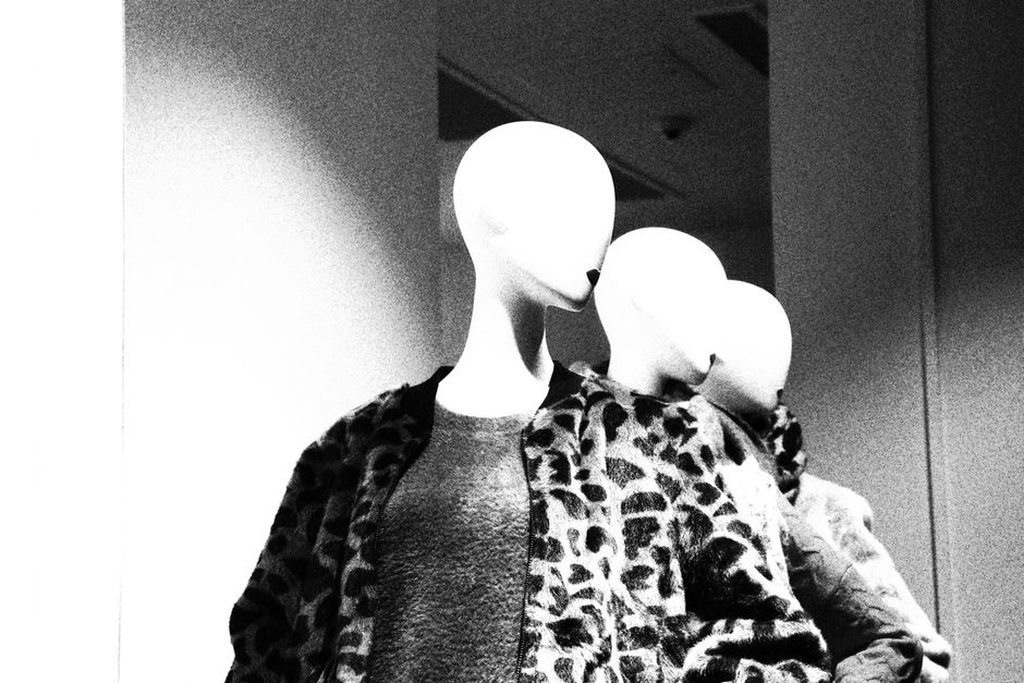
A Brief Natural History of the Print
Leopard print as a fashion motif entered British wardrobes in the 1920s, initially through fur coats and trimmings worn by the elite. By the 1940s, when fabric rationing made novelty prints a welcome distraction, leopard spots appeared on scarves and turbans. The post-war years saw the pattern adopted by the Teddy Girls, who paired leopard print accessories with drape jackets and rolled-up jeans, reclaiming a symbol of luxury for the working-class street. The 1960s brought a more playful interpretation—smaller, cleaner spots on headbands worn with Mary Quant dresses and white boots. Each era left its fingerprint on the pattern, and a knowledgeable collector can date a headband to within a decade just by looking at the spot arrangement and the background colour.
What Makes a Leopard Print Headband Truly Vintage
When you pick up a vintage leopard print headband, the first thing to assess is the ground—the base colour beneath the spots. Authentic mid-century pieces often have a warm honey or amber background, sometimes with a slight sheen from the silk or rayon used. The spots themselves are not uniform: they form rosettes—clusters of three to five darker dots around a slightly lighter centre. A genuine vintage print will show variation in these rosettes, with some spots breaking apart at the edges. Mass-produced modern prints tend to be flat and repetitive, with identical spots stamped mechanically across the fabric. Run your fingers over the pattern; if the ink sits on top of the fabric rather than being absorbed into it, the piece is likely a recent reproduction.
Material Matters: Silk, Velvet, and Acetate
The fabric of the headband tells its own story. Silk leopard print headbands from the 1950s and 1960s are rare finds; the silk was often used for scarves rather than headbands, so a silk-covered headband with leopard print is a particularly desirable collector's item. Velvet leopard print headbands became popular in the 1970s, when the soft pile added a tactile richness to the animal pattern. These are more common on the vintage market, but condition varies enormously—look for velvet with minimal crushing and no bald patches where the pile has worn away. Acetate and early synthetic fabrics were used from the 1940s onward; they hold the print well but can become brittle with age. A gentle flex test near the ends of the headband will tell you whether the material has retained its flexibility or is ready to crack.
The Anatomy of a Quality Headband
A well-made vintage leopard print headband has several structural features worth checking. The band itself should be wide enough to sit comfortably without pinching—typically between 1.5 and 3 centimetres for classic styles. The seam where the fabric joins the band should be straight and hidden, often on the underside. Look at the stitching: machine stitching from the mid-century is generally neat but not invisible; hand-finished edges are a sign of higher quality. The ends of the headband may be finished with metal or plastic tips, or simply turned under and stitched. Metal tips, especially those marked with a maker's stamp, add significant value.
The curve of the band is equally important. A proper vintage headband follows the natural arc of the head without needing to be bent into shape. If the band has a sharp angle rather than a gentle curve, it was likely mass-produced and may not sit comfortably for long wear. For readers interested in the technical side of assessing headbands, the article on The Nina Headband: How to Spot a Quality Copy vs. a Generic Imitation offers a detailed breakdown of construction markers that apply broadly to vintage headwear.
Styling the Leopard Print Headband for Today
The leopard print headband is one of the most forgiving vintage accessories to integrate into a modern wardrobe. Because the pattern does the heavy lifting, the rest of the outfit can be kept deliberately simple. A cream or white blouse, dark tailored trousers, and a leopard print headband create a look that is simultaneously 1950s and entirely current. The key is to treat the headband as you would a statement necklace—one bold element per outfit, with everything else in supporting roles.
For readers who prefer a softer approach, a leopard print headband works beautifully with floral prints, provided the scale of the floral pattern is smaller than the leopard spots. A Liberty-print dress with a leopard headband is a classic British combination that avoids clashing by respecting the hierarchy of patterns. The headband becomes the anchor; the floral becomes the texture. This kind of thoughtful pairing is exactly what separates a styled look from a thrown-together one.

Caring for Your Vintage Find
Leopard print headbands from the mid-century require a different kind of care than modern accessories. The dyes used in vintage prints can be unstable, especially on silk or rayon. Avoid exposing the headband to direct sunlight for long periods; the background colour will fade faster than the spots, creating an uneven appearance that is difficult to reverse. Storage is straightforward: keep the headband flat or gently curved in a drawer lined with acid-free tissue paper. Never hang a headband by its fabric, as the weight of the band will stretch the material over time.
Cleaning is best done sparingly. For velvet headbands, a soft brush used in the direction of the pile will remove dust without damaging the print. For silk or acetate, a barely damp cloth dabbed gently at any soiled area is safer than any liquid cleaner. If the headband has a metal core, submerging it in water is out of the question—the metal can rust and stain the fabric from the inside. When in doubt, a specialist dry cleaner who understands vintage textiles is worth the investment. A well-preserved leopard print headband can last another fifty years with the right attention.
Where the Leopard Print Headband Sits in the Collection
For the serious collector, the leopard print headband occupies a distinct category. It is not as formal as the structured bow, nor as sculptural as the tortoiseshell clip. It is, instead, a piece that signals a certain ease—a willingness to let pattern speak without needing to shout. In British fashion history, the leopard print headband appears in the wardrobes of women who understood that accessories are not merely decorative but conversational. It is a piece that says something about its wearer without requiring explanation.
If you are building a collection of vintage hair accessories, the leopard print headband belongs somewhere in the middle: not the first piece you acquire, but the one you reach for when you want to feel both polished and unstudied. It pairs naturally with the kind of thoughtful, considered wardrobe that values longevity over trend. For those who appreciate the craftsmanship behind a well-made accessory, the leopard print headband is a reminder that a pattern can be every bit as meaningful as a silhouette.
One final detail worth noting: the best vintage leopard print headbands often come with a small label sewn into the inner band. These labels—bearing names like Jacqmar, Ascher, or Liberty—are not guarantees of authenticity on their own, but they are excellent starting points for research. A label can tell you the approximate decade, the country of manufacture, and sometimes even the name of the designer. If you find a headband with a label intact, treat it as a clue rather than a certificate. The real proof is in the print itself—the warmth of the ground, the irregularity of the rosettes, the way the fabric feels against your fingers.