
Products Crochet Beret: A Guide to Vintage Styles, Materials, and Care
The crochet beret is one of those rare accessories that straddles the line between practical headwear and a deliberate style statement. For British women who love vintage fashion, the crochet beret has appeared in countless wardrobes since the early twentieth century, yet its appeal never fades. Whether you are searching for a 1940s rayon beret to complete a land girl look or a chunky 1970s acrylic beret for a retro winter outfit, understanding what makes a well-made product crochet beret will help you choose wisely, care for it properly, and wear it with confidence.
Let’s look at the materials, construction techniques, and design details that define the best crochet berets from the vintage era, and how to find one that suits your style today.
What Exactly Is a Product Crochet Beret?
In the world of vintage accessories, the term “crochet beret” covers a wide range of hats made by hand or machine using crochet stitches. Unlike felt or fabric berets, which are cut and sewn from flat pieces, a crochet beret is built loop by loop, giving it a distinctive textured surface and natural stretch. The word “product” here simply means a finished, wearable item — something made to be sold or passed on, not just a sample or a half-finished project.
Crochet berets were especially popular in Britain from the 1940s through the 1970s, when home knitting and crochet were common skills, and ready-made accessories were affordable. Many were produced by small manufacturers or made at home and sold at local markets. The best examples show careful stitch tension, neat finishing, and a shape that sits well on the head without sagging.
Materials Used in Vintage Crochet Berets
The material of a crochet beret determines its drape, warmth, and longevity. Here are the most common fibres you will encounter when hunting for vintage pieces:
- Wool – The classic choice for winter berets. British wool, especially from breeds like Bluefaced Leicester or Shetland, gives a soft, warm fabric that holds its shape. Look for berets labelled “pure new wool” or “100% wool” from the 1950s and 1960s. They often have a slightly felted finish from gentle washing.
- Cotton – Ideal for spring and summer. Cotton crochet berets are lighter and more breathable, often made in cream, white, or pastel shades. They were popular in the 1940s as part of a practical, feminine wardrobe. Cotton berets can be stiff when new but soften with wear.
- Rayon or Viscose – A semi-synthetic fibre that became widespread in the 1930s and 1940s. Rayon crochet berets have a subtle sheen and a soft, almost silky feel. They are less common than wool or cotton, but highly collectible because of their elegant drape.
- Acrylic – From the 1960s onward, acrylic yarns made crochet berets affordable and easy to care for. While not as breathable as natural fibres, a well-made acrylic beret can still look charming, especially in bold 1970s colours like burnt orange, mustard, or avocado green.
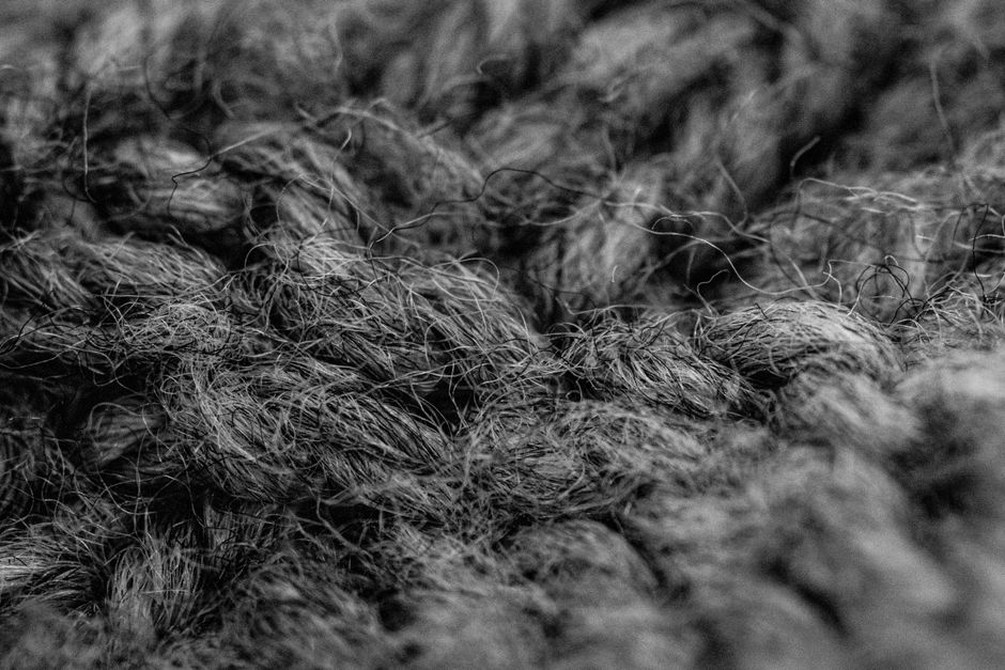
When examining a vintage beret, check the label or the feel of the yarn. A scratchy wool might need a lining, while a soft, even texture suggests quality workmanship.
Key Construction Details to Look For
A product crochet beret is more than just a circle of stitches. The best vintage examples share several structural features:
- Band or brim – A well-fitted band, usually crocheted in single crochet or ribbing, keeps the beret secure on the head. Look for a band that is at least 2–3 cm wide. Narrow or loose bands tend to stretch out quickly.
- Seamless crown – Many high-quality berets are worked in the round from the centre out, with no side seam. This gives a smooth, comfortable fit. If there is a seam, it should be neat and flat, not bulky.
- Stitch pattern – Common stitches include double crochet, treble crochet, and shell stitches. A beret with a varied stitch pattern (e.g., alternating solid and openwork sections) shows more skill and visual interest than a plain one.
- Finishing – The yarn ends should be woven in securely, not left loose. A good beret will have a clean edge at the band, often finished with a round of slip stitches or a picot edge.
If you are buying online, ask the seller for a photo of the inside of the beret. That often reveals the quality of finishing better than the outside.
How to Style a Crochet Beret with Modern Clothes
The crochet beret is surprisingly versatile. Here are three ways to wear it without looking like you are in costume:
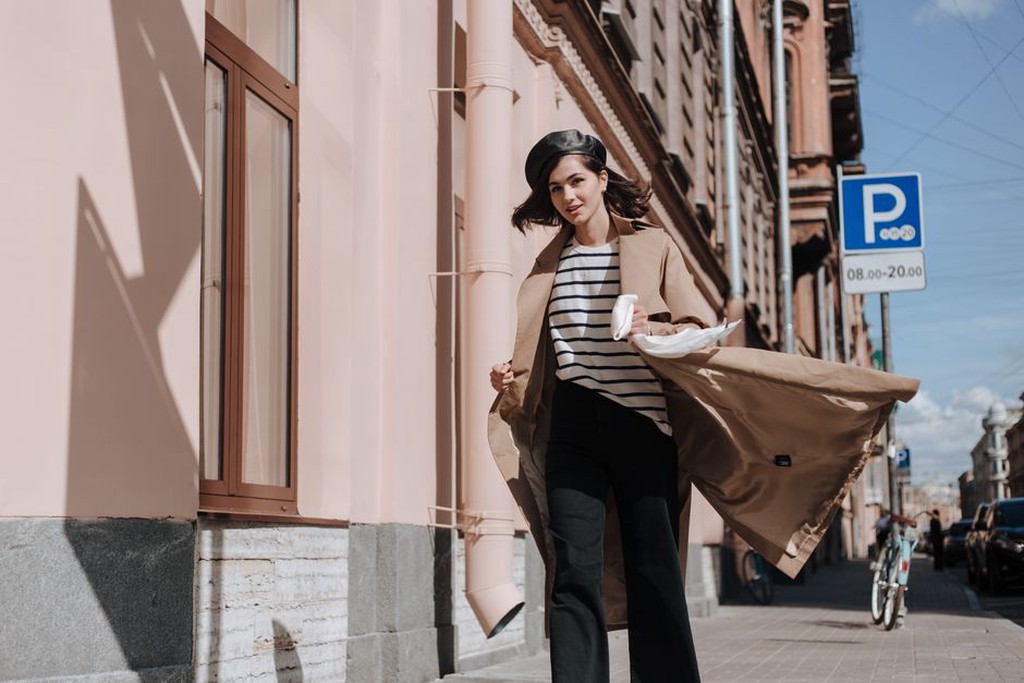
- With a tailored coat – A wool beret in navy, charcoal, or burgundy pairs beautifully with a classic trench coat or a wool blazer. Tilt it slightly to one side for a Parisian feel. This works especially well if you are wearing a simple hairstyle, like a low bun or a sleek bob.
- With a chunky knit – For a cosy weekend look, match a cream or oatmeal cotton beret with a cable-knit jumper and straight-leg jeans. The texture of the beret echoes the knitwear, creating a harmonious outfit.
- With a dress and accessories – A 1950s-style cotton beret in a bright colour (red, royal blue, or yellow) can be the focal point of a simple dress and ballet flats. Add a vintage hair clip for extra charm. For ideas on pairing clips with headwear, you might enjoy reading about Buttercups Midi Colors 2: The Second Wave of Vintage Hair Clips, which explores how small accessories can complement a beret.
The key is to let the beret be the statement piece. Keep the rest of your outfit relatively simple, and choose a beret that fits your head comfortably — not too tight, not sliding down over your ears.
Care and Storage for Vintage Crochet Berets
Vintage fibres need gentle handling. Follow these guidelines to keep your beret in good condition:
- Cleaning – Hand wash in lukewarm water with a mild wool or delicates detergent. Do not scrub or wring. Gently press out excess water with a towel, then reshape the beret on a flat surface or over a small bowl to dry. Never hang a wet beret — the weight of the water will stretch it out of shape.
- Blocking – If the beret has lost its shape, you can block it. Soak it in cool water, squeeze out the moisture, and pin it to a flat surface covered with a towel, stretching it gently to the original dimensions. Leave it to dry completely before unpinning.
- Storing – Keep berets flat in a drawer or on a shelf, not hanging on a hook. Moths love wool, so add cedar balls or lavender sachets to your storage area. Check your berets every few months for signs of moth damage.
- Sunlight – Avoid prolonged exposure to direct sunlight, which can fade the colour and weaken the fibres, especially in rayon or acrylic berets.
If you find a vintage beret with a small hole or a loose thread, it can often be repaired by carefully darning with matching yarn. A local haberdashery or a friend who crochets can help if you are not confident with a needle.
Where to Find Genuine Vintage Crochet Berets
British charity shops, vintage fairs, and online marketplaces are the main sources. When searching, use specific terms like “1940s crochet beret,” “vintage wool beret,” or “handmade crochet hat.” Look for labels that mention a British manufacturer or a hand-crocheted tag. Some berets were made by women’s institutes or local craft groups, and those pieces often have a handwritten label or a small embroidered name.
Another option is to look for modern makers who reproduce vintage patterns using authentic materials. A faithful reproduction can be just as lovely as an original, especially if the original is too fragile to wear. For instance, the Checkered Hair Claw: A British Vintage Icon shows how a classic pattern can be reissued with modern craftsmanship while keeping the vintage spirit. The same approach applies to crochet berets — a well-made copy can be a practical addition to your wardrobe.
Common Mistakes When Buying a Crochet Beret
Even experienced vintage shoppers can make errors. Here are a few to avoid:
- Ignoring the fibre content – A beret that looks lovely in a photo might be made of stiff, scratchy acrylic that will not soften. Always check the label or ask the seller.
- Assuming all berets are one size – Crochet berets stretch, but not infinitely. Measure your head circumference (typically 54–58 cm for an adult woman) and compare it to the beret’s band measurement. A beret that is too small will sit on top of your head like a saucer; one that is too large will sag.
- Buying a beret with visible moth damage – Small holes can be repaired, but if the yarn is broken in multiple places, the structure is compromised. Pass on such pieces unless you are a skilled restorer.
- Forgetting the lining – Some vintage berets have a silk or cotton lining sewn inside. This adds comfort and protects the hair from rough wool. If a beret has no lining, you can add one easily with a small piece of fabric and a few stitches.
Take your time when choosing. A good crochet beret can last for decades with proper care.
The Beret as a Sustainable Fashion Choice
Buying a vintage or reproduction crochet beret is a small but meaningful step toward a more thoughtful wardrobe. Natural fibres like wool and cotton are biodegradable, and a well-made beret replaces the need for fast-fashion hats that might fall apart after one season. By choosing a piece that has already lived a long life — or one made to last — you are participating in a tradition of careful consumption that was common before the age of disposable fashion.
If you are handy with a crochet hook, you can even make your own beret using a vintage pattern. Many patterns from the 1940s and 1950s are available online or in reprinted booklets. That way, you control the yarn, the fit, and the finish, and you end up with a truly personal accessory.
Final Practical Note
When you bring a new crochet beret home, give it a gentle hand wash and block it before wearing it for the first time. This removes any dust from storage and ensures the shape is perfect. Then, wear it with the same joy that someone else did decades ago — perhaps on a brisk walk through a London park or a quiet afternoon at a countryside market. A crochet beret is a small object, but it carries the warmth of the hands that made it, and that is a quality worth preserving.