
How to Spot a Faithful 1970s Two-Piece Knit Reproduction
Run your fingers over a vintage 1970s cable-knit headband, and you'll feel what modern mass production rarely captures: a dense, springy wool that holds its shape without pinching. The original two-piece knit sets—usually a matching headband and snood, or a beret paired with a stretchy band—were staples of British high-street fashion. Biba sold floppy mohair creations; C&A churned out chunky acrylic berets. Today, the best reproductions honor that tactile heritage while meeting modern expectations for comfort and durability. Here is how to spot a faithful copy, what materials to look for, and how to weave these cosy accessories into your everyday wardrobe.
Decoding the 1970s Two-Piece Knit
The term “two-piece knit” usually calls to mind a twin-set sweater and cardigan. In the hair-accessory world, it describes a matched pair—typically a wide headband or Alice band and a coordinating snood, wrap, or beret. These pieces were sold together as a set, meant to be worn separately (the headband with a plain scarf) or as a complete look for outdoor events and weekend walks. The 1970s saw a boom in synthetic yarns: acrylic, polyester, and nylon blends that mimicked wool but were lighter and easier to wash. Reproductions today often use either pure wool for authenticity or high-quality acrylic for allergy-friendly wear.
Key design markers of the era include:
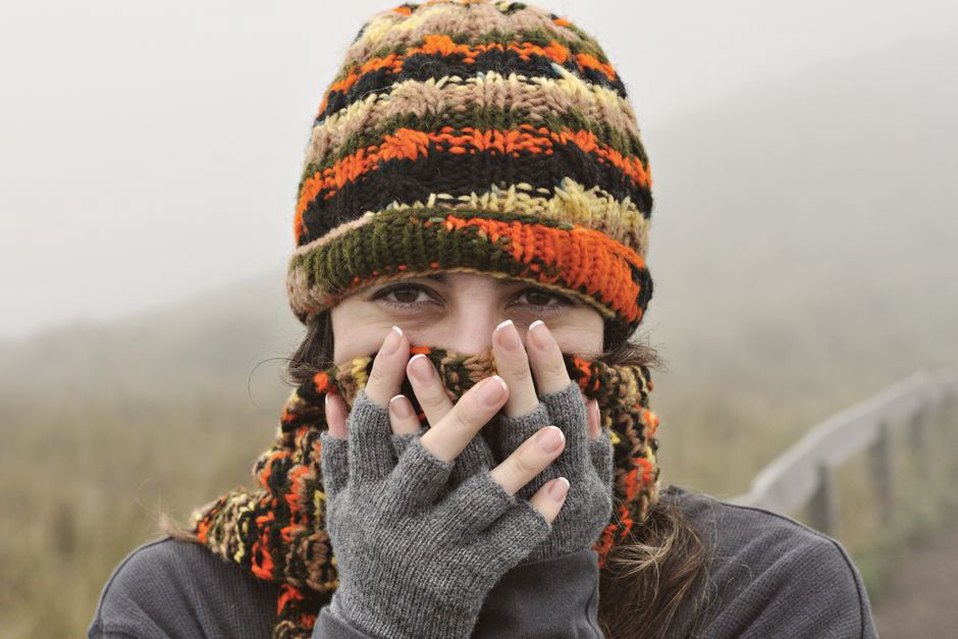
– Chunky ribbing or cable patterns
– Earthy browns, rust, mustard, and forest greens
– Pom-poms on beret tops or at the ends of headband ties
– Snoods that sit loosely at the nape of the neck, often with a drawstring
When you see a reproduction that nails these details, you are looking at a piece that respects the original construction—not just a generic beanie sold as “vintage style”.
Why Reproductions Matter (and How to Choose Wisely)
The original 1970s knits were often made with yarns that have since degraded. Acrylic from that period can feel scratchy and pill badly; vintage wool may be moth-damaged or stretched out of shape. Good reproductions solve these problems. They use modern yarn technology that feels softer, retains elasticity, and resists pilling. But not all copies are equal. A faithful reproduction should:
- Match the original gauge – the stitch count per inch should be close to vintage patterns. Too loose and the accessory sags; too tight and it loses the characteristic bouncy texture.
- Use period-appropriate colours – 1970s tones are muted and complex. A true reproduction avoids flat primaries; it will have depth, like a mustard that leans slightly green or a rust that hints at terracotta.
- Include the correct fastenings – headbands from the era were often tied at the top of the head or fastened with a single button. Snoods used elasticised openings or ties. Modern copies that use velcro or plastic snaps break the illusion.
- Preserve the weight – a 1970s snood was not a lightweight tube; it had substance. A reproduction should feel substantial in your hand without being heavy enough to pull your hair.
A good test is to compare a reproduction to a photograph of the original—look at the way the yarn twists at the cable crossings and how the edges are finished. Many European and British artisans now produce small-batch runs of these designs, and their workmanship is often superior to the original mass-produced pieces.
Pairing Knit Hair Accessories with a Modern Wardrobe
The brilliance of the 1970s two-piece knit is its versatility. A chunky headband can transform a simple jeans-and-turtleneck outfit into something that feels intentional. For a subtle nod to the decade, choose a set in a single colour—deep chocolate or charcoal—and wear it with tailored trousers and a cashmere sweater. If you prefer a bolder statement, go for a mustard or burnt orange set and pair it with a creamy white Mac coat or a denim jacket.
Snoods are especially practical for days when you want to protect your hair from wind without wearing a hat that would crush a blow-dry. Slip a snood over a low ponytail, then pull a few face-framing strands free. This look works beautifully with the soft, romantic silhouettes of modern midi dresses and ankle boots. For an evening out, a matching beret and headband set can be worn together: the beret perched on one side, the headband pushed back to anchor the fringe.
If you already own a few vintage hair clips like Buttercups Midi Colors, you can layer them over a knit headband for a playful clash of textures—the smooth resin of the clip against the nubby wool. The key is balance: let the knit be the star and use small details (a single clip, a silk scarf tied over the band) to add personality without overwhelming it.
Caring for Your Reproduction Knits
A well-made two-piece knit can last for decades if you handle it with care. The most common mistake is washing them too often. Knit hair accessories do not touch the scalp as much as hats, so they need cleaning only every few months unless you use heavy styling products. When you do wash them:
- Hand-wash in lukewarm water with a wool-friendly detergent (avoid fabric softener, which coats the fibres and reduces elasticity).
- Roll gently in a towel to remove excess water—never wring.
- Reshape while damp, laying flat on a drying rack. Do not hang, as gravity will stretch the ribbing.
- Store folded in a drawer, not on a hook, to preserve the snood’s rounded shape.
If your reproduction includes a pom-pom, check whether it is detachable. Many high-end makers attach them with a hidden button or loop so you can remove the pom-pom before washing—this prevents it from matting or losing its fluff. For acrylic knits, a quick tumble in the dryer on low heat (in a mesh bag) can rejuvenate the bounce, but only if the care label allows it.
Where to Look for Authentic Reproductions
Rather than suggesting specific shops, here is a strategy for finding quality copies: seek out makers who explicitly reference original 1970s patterns—those who write “based on a 1974 Patons pattern” or “inspired by a Liberty’s archive sketch” in their product descriptions. These artisans have done the research. You can also look for reproductions that use vintage knitting machines, which produce a denser, more even stitch than modern mass-produced alternatives. Second-hand markets (car boot sales, vintage fairs) sometimes turn up unworn copies from the 1980s that were made as overstock—these often use the same patterns and yarns as the originals, but are in better condition.
One practical tip: when you find a set that catches your eye, hold it up to your face in natural light. The 1970s were a time of bold colour contrasts, but the best reproductions work with your skin tone. If the rust makes you look sallow, try a taupe or a muted olive instead. The original knitters knew that these earthy colours flatter most complexions, which is why they dominated the decade.
Finally, do not overlook the pleasure of owning a set that comes with its original packaging or tag. A reproduction that arrives in a simple cotton pouch or with a small card explaining the pattern history adds to the sense of discovery—it is not just an accessory, but a piece of textile history that you can wear. And that, ultimately, is what the 1970s two-piece knit offers: a warm, tactile connection to a decade that knew how to make everyday objects feel special.