
How to Spot a Quality 1970s Midi Dress Reproduction
When you find a genuine 1970s midi dress in a charity shop, it often carries the ghosts of previous owners—a faint trace of perfume, a tiny mend under the arm, a hem that has been let down once already. That patina is precious, but it also means the fabric may be too fragile for regular wear, or the cut may not accommodate modern sizing. Enter the reproduction: a dress made today that honours the original silhouette, fabric weight, and detailing of a decade that gave us everything from Ossie Clark fluid jersey to Laura Ashley prairie prints. Not all reproductions are equal, though. Knowing what separates a thoughtful copy from a loose costume takes a bit of knowledge about the era.
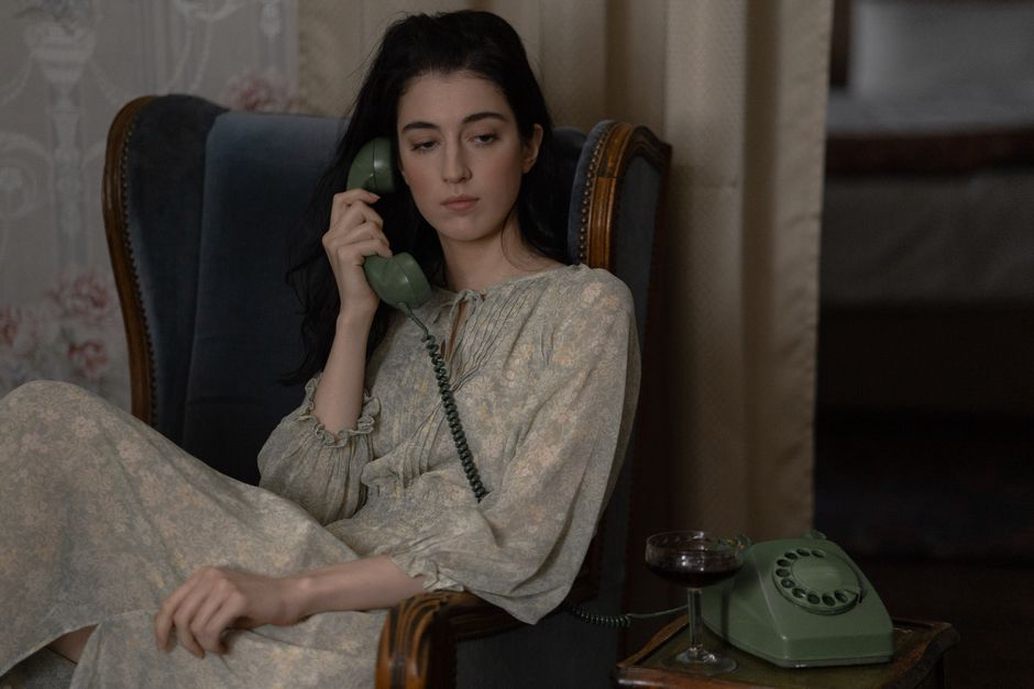
The midi dress of the 1970s typically fell somewhere between the knee and the ankle, often cinched at the waist with a tie belt or a soft sash. Necklines varied from demure high collars to plunging V-shapes, and sleeves could be long and flared (the bishop sleeve) or short and puffed. What made the dress feel modern then—and still does now—was the ease of movement. Unlike the stiff A-lines of the 1950s, 70s midi dresses were cut to flow with the body. A good reproduction understands that fluidity. Look for patterns that allow for natural drape rather than stiff, over-engineered seams.
Fabric and Finish: The Hallmarks of a Quality Copy
Original 70s midi dresses were often made from polyester double-knit, cotton lawn, crepe de chine, or lightweight wool. The modern preference might lean toward natural fibres, but a straight cotton or viscose can lack the unmistakable drape of a good polyester crepe. The trick is to check the weight: a reproduction that uses a flimsy, see-through fabric will not hang like the original. Hold the dress by the shoulders and watch how the skirt falls. It should settle in soft ripples, not stick out like a bell.
Details matter just as much. Many 70s dresses had bias-cut panels, which require careful cutting to avoid twisting at the seams. Examine the grain of the fabric along the side seams; if the pattern is noticeably off, the dress will pull awkwardly when worn. Buttons should be functional, not glued-on decorations. Zippers, if present, are often hidden in a side seam rather than centre back. A reproduction that includes these small touches shows the maker has studied the originals, not just glanced at a photograph.
Silhouettes That Defined the Decade
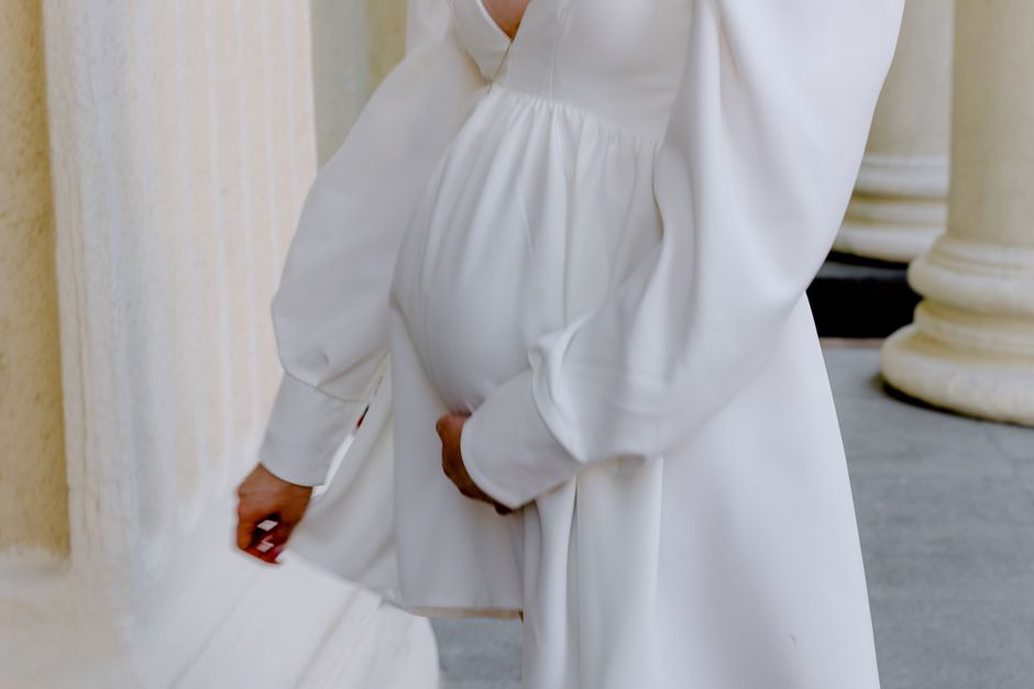
The 70s midi dress came in several distinct shapes. The wrap dress (popularised by Diane von Furstenberg in 1974) is the most enduring: a V-neck, a tied waist, and a skirt that wraps around the body. Reproductions should have enough overlap at the bust to prevent gaping—this is the most common flaw. The prairie dress with its high neck, gathered skirt, and often a ruffled hem is another icon. Look for reproductions that use shirring at the waist or back panel rather than a flat elastic band, which can create an unflattering line under a belt. The shirtwaist dress, a button-front style with a collar and optional tie belt, is the most versatile. A good reproduction will have a collar that lies flat and sleeves that allow you to lift your arms without pulling the whole bodice up.
When you are browsing online or in a shop, ask yourself: does this dress look like it could have stepped out of a 1973 issue of Vogue? If the proportions seem cartoonish or the fabric is printed with a ghosted, blurry pattern, it is likely a costume piece rather than a faithful copy. The best reproductions capture the spirit of the era without exaggerating it.
Pairing Your Midi Dress with Vintage Hair Accessories
One of the pleasures of wearing a reproduction 70s midi dress is the chance to complete the look with period-appropriate hair accessories. The 1970s were a golden era for hair clips, combs, and barrettes—especially those made from tortoiseshell-effect cellulose acetate, wood, or enamel. A polished midi dress calls for something equally polished in the hair. For a wrap or shirtwaist dress in a solid colour, consider a tortoiseshell hair claw worn low at the nape to create a gentle sweep of hair off the face. If the dress has a floral or geometric print, pick up one colour from the pattern and echo it with a flower-shaped hair clip in a complementary hue. The ASTA flower hair clip, available in three distinct colourways, works beautifully with the romantic prairie silhouette, while a checkered hair claw adds a playful note to a shirtwaist dress in a muted tone.
Hair itself was styled simply in the mid-70s: centre or side part, often with a soft wave or a low ponytail. The accessory was the focal point, not an elaborate updo. If the dress has a high neckline, you might want to keep the hair up to show off the collar and earrings. For lower necklines, leaving the hair loose with a decorative comb tucked behind one ear creates an effortless bohemian feel. The key is to let the dress and the accessory speak to each other without competing.
Sourcing Reproductions That Last
Where to find quality reproductions is a question that comes up often in our reader conversations. Small independent brands and specialist vintage-inspired labels tend to produce the most accurate cuts. Larger fast-fashion companies sometimes borrow 70s motifs, but the fabric and construction rarely match the originals. Look for size charts that include the actual measurements of the garment, not just a generic S-M-L, and read reviews that mention how the fabric feels and whether the colour matches the photos. A reproduction is an investment in your wardrobe, not a disposable trend piece.
Care is straightforward: most polyester and cotton blends can be machine-washed on a gentle cycle, but check the label. Dresses with a high acetate or viscose content should be hand-washed in cold water and laid flat to dry. Iron on a medium heat, preferably with a pressing cloth to protect any printed pattern. Avoid tumble drying, which can pull the seams and shrink the fabric unevenly.
One Dress, Many Decades
The beauty of a well-made 70s midi dress reproduction is that it does not feel like a costume. You can wear it with leather boots and a chunky knit cardigan in autumn, or with simple sandals and a straw bag in summer. The hair accessory is the punctuation that tells the story. That little detail—a tortoiseshell barrette, a velvet bow, a wooden claw—makes the difference between wearing a dress and inhabiting a look. Next time you are considering a reproduction, take a moment to think about the original woman who might have worn that dress. She probably owned a few favourite clips, too.