
The Vintage Cone Hair Clip: Three Archetypes, Materials, and Styling Tips
British millinery and hair accessory workshops between the 1930s and early 1960s produced three distinct archetypes of the cone hair clip, each with its own construction method and material. The cleanly tapered silhouette – narrow at the tip, wider at the base – grips hair with a precision that feels almost architectural, unlike the rounded curves of a barrette or the dramatic spread of a bow. Collectors refer to these three variants as the “Cone Hair Clips 3,” a shorthand that helps them date, value, and style these tapered finds.
The Three Archtypes: Concave, Convex, and Split-Cone
The “3” in the collector’s shorthand points to the three dominant construction methods that define authentic vintage cone clips. The first – the concave cone – is hollowed out inside, often pressed from a single sheet of metal or moulded from early synthetic resin. Lightweight and springy, these clips rely on a thin metal spring-pin that runs through the hollow centre. They were popular in the 1930s and 40s, frequently decorated with a small enamel flower or a paste gem at the base. The second type, the convex cone, is solidly carved or moulded from a dense material such as genuine tortoiseshell, horn, or later the prized early Bakelite. These have no interior cavity; instead, a metal clasp is riveted directly onto the flat base of the cone. The third and most unusual variant is the split-cone – a clip formed from two mirror-image halves that snap together over the hair, often with a decorative bridge at the top. This style was especially fashionable for evening wear in the 1950s and used metallic threads or mother-of-pearl inlays.
Materials Tell the Story
British makers turned to a remarkable palette of materials for cone clips, and the substance itself is often the quickest clue to a piece’s age and origin. Before the Second World War, the dominant material was celluloid – a semi-synthetic derived from camphor and cellulose nitrate. Celluloid cone clips are lightweight, feel slightly waxy to the touch, and often develop a distinctive “camphor” smell when warmed by handling. After the war, Bakelite and other phenol-formaldehyde resins became more common. Bakelite cone clips are heavier, harder, and can be polished to a deep lustre. They were produced in dark greens, mottled browns, and a rich burgundy known as “Poirot red”. From the late 1940s onward, casein plastic – made from milk protein – entered the market, prized for its ability to take bright, even colours such as ivory, pastel pink, and sky blue. Casein cone clips are slightly matt in finish and should never be soaked in water, as they can warp. Genuine tortoiseshell (from hawksbill turtles) was used for the convex cone type almost exclusively in the 1920s and 30s; post-war, these were replaced by simulated shell made from acrylic or celluloid with a streaked pattern. A loupe or a strong reading glass helps collectors spot the subtle combustion lines and layered texture of real tortoiseshell versus the printed swirls of imitation.
Spotting Authentic Cone Clips: Three Practical Checks
- Check the hinge. Pre-1960 clips almost always use a simple brass or nickel-silver hinge pin that is visible at the base. If the hinge is hidden by a plastic cap or is a modern spring-loaded barrel, the clip is likely a reproduction.
- Feel the edges. Vintage moulded clips have hand-finished edges – slightly rounded and uniform. Machine-cut modern copies often leave a sharp, squared-off rim that feels uncomfortable against the scalp.
- Look for patina. Celluloid and Bakelite develop a surface bloom – a gentle cloudiness or iridescence – over decades. A clip that is too glossy and uniform may have been over-polished, which can reduce its collector value. A little honest patina is a sign of age, not of damage.
“The beauty of a cone clip is that it does not shout. It holds, it accents, it disappears – and then, when you turn your head, it catches the light like a quiet friend who suddenly tells a brilliant story.” — vintage hair collector, Kent
Styling Cone Clips with a Modern Wardrobe
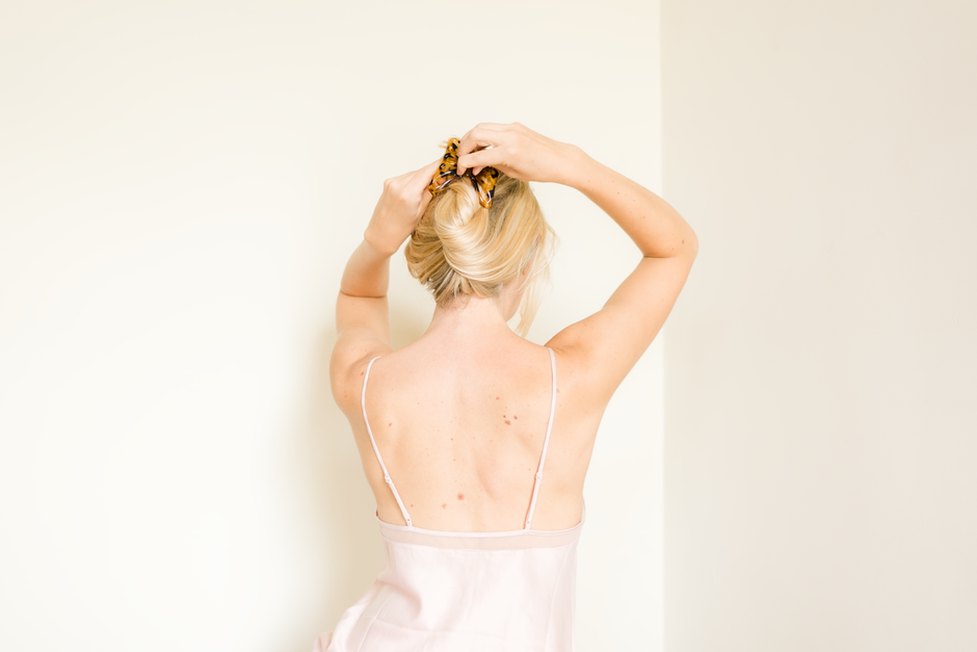
One of the reasons cone clips have enjoyed a quiet renaissance among British vintage-lovers is their surprising versatility with contemporary clothing. A single convex cone clip in tortoiseshell or dark Bakelite can anchor a low side-swept chignon thrown together in thirty seconds – perfect for a weekday coffee run or a gallery opening. The concave type, with its metal finish, works beautifully with the soft tailoring of a 1970s-style linen jacket or a simple cashmere roll-neck. For evenings, the split-cone clip offers enough visual weight to stand up to a sequinned top or a velvet blazer. Because the cone shape is essentially geometric, it pairs effortlessly with minimalist outfits; it also provides a welcome structural contrast to floral prints or lace. A small collection of three cone clips – one in horn, one in silver-toned metal, and one in a vivid casein colour – can give you a week's worth of varied hairstyles.
Caring for Your Vintage Cone Clips
Because cone clips often incorporate a metal spring or hinge, a little routine maintenance goes a long way. Store them away from direct sunlight – especially celluloid pieces, which can yellow and become brittle. Keep each clip in a separate compartment or a small fabric pouch to prevent the metal parts from scratching neighbouring plastics. If a Bakelite clip develops a white haze (an oxidation bloom), a wipe with a soft cloth dampened with a drop of vegetable oil can restore its depth – but test on a hidden area first. Never immerse casein or celluloid in water, and avoid ultrasonic cleaners, which can loosen the hinge rivets. To improve a stubborn spring, apply a minuscule drop of sewing-machine oil to the pivot point and work the clip open and closed a dozen times. With this small attention, a well-made cone clip from the 1930s can still hold a chignon securely today – a testament to enduring design.
When storing your cone clips, wrap each one individually in acid-free tissue paper to prevent scratching the surface – a small habit that keeps these tapered treasures in top condition for another half-century.