
Products Bebe Clip Colors: A Collector’s Guide to Vintage Hues
When you hold a vintage Bebe clip in your palm, the first thing you notice is the colour. Not just any colour — a specific, deliberate shade that feels both of its time and oddly timeless. Bebe clips, those small spring-loaded barrettes with a distinctive rounded shape, were produced in a remarkable range of finishes from the 1950s through the 1970s. For collectors in Britain, understanding the colour palette is essential — not only for identifying genuine pieces but for building a coherent collection that tells a story of mid-century manufacturing and changing tastes.
The Anatomy of a Bebe Clip Colour
Before diving into specific colours, it helps to know what you are looking at. A Bebe clip’s colour comes from one of three sources: painted enamel, resin coating, or dyed cellulose acetate. Each behaves differently with age. Enamel clips chip in tiny flakes, revealing a silver or gold base metal underneath. Resin-coated clips develop a warm patina — a slight yellowing that collectors actually prize. Cellulose acetate colours can fade unevenly if exposed to sunlight, turning a once-vibrant coral into a ghostly peach.
The clip itself is a spring-loaded design, typically 3–4 cm long, with a curved top that snaps shut over a metal hinge. The colour sits on that curved top, sometimes solid, sometimes marbled, and occasionally hand-painted with tiny floral motifs. Knowing the material helps you predict how a colour will age — and whether that “faded” clip is a flaw or a feature.
The Core Palette: What Colours Were Made?
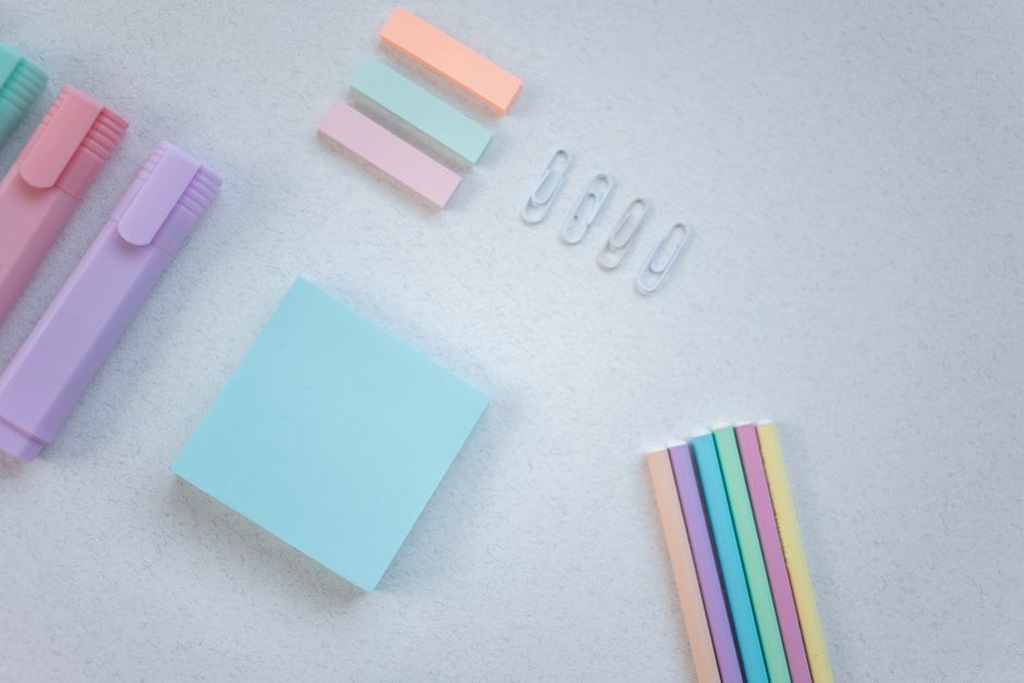
Bebe clips were not produced in every colour under the sun. The range was deliberate, aimed at women who wanted a polished accessory that matched their handbag or shoes. Based on surviving examples and period catalogues, the core palette includes:
- Pastel Pink — a soft, powdery shade, often found with a slight pearl sheen. This is the most common colour, but condition varies enormously.
- Mint Green — a cool, muted green that looks especially good against dark hair. It was a favourite in the late 1950s.
- Ivory and Cream — never pure white. Genuine Bebe clips in white are actually an off-white with a subtle warmth. Pure white usually indicates a modern reproduction.
- Navy Blue — a deep, almost ink-like blue that appears black in low light. These clips were often paired with gold-toned metal hinges.
- Cherry Red — a bright, opaque red that holds its colour well. Avoid clips where the red looks orange — that is often a sign of heat damage or poor storage.
- Tortoiseshell — not a solid colour but a brown-and-amber mottle. Tortoiseshell Bebe clips are highly collectible and were made in two variants: dark (almost black-brown) and light (golden amber).
- Lavender — a pale, dusty purple that fades to grey if left in sunlight. True lavender clips are rarer than pink or green and command higher prices at vintage fairs.
A beginner might start with pastel pink or mint green — they are plentiful, affordable, and excellent for learning to spot genuine wear versus damage. For a deeper introduction to building a collection, the guide Start with the Hairpin: A Beginner's Guide to Vintage British Hair Accessories offers practical steps for evaluating condition and authenticity.
Rarity and Desirability: Which Colours Are Hardest to Find?
Not all Bebe clip colours were produced in equal numbers. Some shades were limited runs, perhaps tied to a single season or a specific retailer. Based on auction records and collector forums, here is a rough rarity scale:
| Colour | Rarity Level | Typical Price Range (GBP) |
|---|---|---|
| Pastel Pink | Common | £3–£8 |
| Mint Green | Common | £4–£10 |
| Ivory/Cream | Uncommon | £8–£15 |
| Navy Blue | Uncommon | £10–£18 |
| Cherry Red | Uncommon | £10–£20 |
| Lavender | Rare | £15–£30 |
| Tortoiseshell (dark) | Rare | £20–£40 |
| Tortoiseshell (light) | Very Rare | £30–£60 |
Prices reflect clips in good condition with intact colour and a working spring. A clip with a broken hinge or major colour loss is worth significantly less — unless it is an extremely rare shade, in which case some collectors will buy it for parts or restoration practice.

How to Verify a Colour Is Original
Reproduction Bebe clips have flooded online marketplaces in the last decade. Most are easy to spot — the colours are too bright, too uniform, or have a plastic sheen that originals lack. Here are three practical checks:
- Look at the hinge. Original Bebe clips have a metal hinge that shows age — slight tarnish, a matte finish. Reproductions often use shiny nickel-plated hinges that look brand new.
- Check the underside. The interior of an original clip (the part that touches your hair) is usually a dull, uncoated metal. Reproductions sometimes paint the inside the same colour as the top, which is a clear giveaway.
- Examine the colour depth. Hold the clip next to a known original. Genuine colours have subtle variation — a tiny speckle in the enamel, a slight unevenness in the resin. Modern mass-produced clips are perfectly flat in colour.
If you are buying online, ask the seller for a photo of the clip next to a coin or ruler. This helps you gauge size — many reproductions are slightly larger than the originals, which were designed to fit discreetly in fine or medium hair.
Pairing Bebe Clip Colours with Modern Wardrobes
One of the joys of collecting Bebe clips is that they work beautifully with contemporary clothing. The trick is to treat the colour as an accent, not a statement. A single navy blue clip worn at the temple adds a quiet nod to the 1960s without looking costumey. A pair of mint green clips holding back a side section of hair reads as fresh and intentional, especially with a cream blouse or a linen dress.
For evening, cherry red clips against dark hair create a striking contrast that echoes the bold lip colours of the 1950s. Keep the rest of your accessories minimal — let the clip do the talking. If you prefer a softer look, ivory or lavender clips blend into lighter hair tones and give a subtle sheen that catches the light as you move.
When you discover a new colour that fits your wardrobe, it can feel like finding a missing puzzle piece. The blog post Fresh Finds: The Magic of New Arrivals in a Vintage Hair Accessory Collection captures that particular thrill — and offers tips for deciding which colours to add next.
Caring for Coloured Bebe Clips
Colour is fragile. Enamel can chip if the clip is dropped onto a hard surface. Resin can scratch if stored loose in a drawer with metal objects. Cellulose acetate is sensitive to humidity — store it in a dry place away from radiators and direct sunlight.
To clean a Bebe clip, use a soft, dry cloth. If the clip is sticky or greasy (common with vintage pieces that sat in a dressing table drawer for decades), dampen the cloth with a tiny amount of mild soap and water — never soak the clip, and never use alcohol or acetone, which will strip the colour instantly. Dry it thoroughly before storing.
Store clips individually in soft pouches or in a compartmentalised box. Stacking them loosely in a jar may look charming, but the clips will knock against each other and develop fine scratches over time. A little care keeps those mid-century colours vibrant for another fifty years.
Understanding Bebe clip colours transforms a casual purchase into a deliberate act of collecting. Each shade carries a history — of the factory that mixed the enamel, the woman who chose it from a department store counter, the decades it waited in a jewellery box. By learning to recognise, verify, and preserve those colours, you become part of that story.