
The Arizona Bow Barrette Sunshine: A Golden Edition for Vintage Hair Enthusiasts
Few hair accessories capture the spirit of the 1970s quite like the Arizona Bow Barrette, and among its many variations, the Sunshine edition stands apart as a deliberate nod to optimism and warmth. Introduced in 1972 as a limited seasonal run, the Sunshine edition was defined by its metallic gold finish and hand-painted floral motifs in shades of yellow, cream, and burnt orange. Unlike the standard tortoiseshell or black versions that dominated British high-street displays, the Sunshine barrette was a small rebellion against muted tones – a wearable piece of daylight that collectors still seek today.
The barrette itself measures roughly 7 cm across, with a pronounced bow silhouette that sits comfortably against the crown or side of the head. The clip mechanism is a spring-loaded metal jaw, often plated in brass or nickel, with a small "Arizona" stamp on the interior. What makes the Sunshine edition distinctive is the surface treatment: a baked enamel base over a brass substrate, topped with translucent yellow resin that catches the light. The hand-painted details – tiny daisies or abstract sunbursts – were applied by artisans in a workshop outside Birmingham, a city then known for its jewellery quarter. Each barrette thus carries slight variations in the floral placement, making every piece a unique find.
The Brand Behind the Sunshine
Arizona was never a single company; it was a trademark used by several British accessory manufacturers from the late 1960s through the early 1980s. The name evoked the American Southwest – a romanticised desert landscape of cacti and sunsets – and the barrettes were sold in department stores like Selfridges, John Lewis, and smaller independent boutiques. The Sunshine edition was part of a broader trend for "costume jewellery with personality" that emerged after the 1969 Woodstock festival, when bold colours and natural motifs became synonymous with freedom. For British women, the Arizona bow barrette offered a way to incorporate that counterculture energy into everyday hairstyles without committing to full hippie attire.
The materials used in the Sunshine edition reflect the era's manufacturing constraints and ambitions. The base is a lightweight metal alloy, not solid silver, which kept the price accessible. The enamel is a type of cold-cure resin that could be coloured and baked at low temperatures – a technique borrowed from the button industry. Over time, the resin may develop a fine craquelure, which collectors prize as a sign of age rather than damage. The clip's spring tension remains surprisingly robust even decades later, a testament to the quality of British spring steel used in the 1970s.
How to Identify an Authentic Sunshine Barrette
Reproductions have appeared in recent years, but genuine Sunshine editions have three tell-tale markers:
- Colour depth: The gold is a warm, slightly brassy yellow, not a bright modern gold plate. Under direct light, the enamel shows subtle colour shifts from lemon to ochre.
- Paint texture: The hand-painted flowers have visible brush strokes and slight raised edges. Machine-applied decals are flat and uniform.
- Clasp stamp: Look for "Arizona" in serif capitals, often with a small sun symbol next to it. Later copies omit the sun or use a different font.
If you are building a curated collection, the Sunshine edition sits beautifully alongside other 1970s enamelled accessories. For a deeper dive into assembling a personal archive, our guide on Collections Maison Archives x Vintage: Curating a Personal Archive of Hair Accessories offers practical steps for organising pieces by era, colour, and maker.
Styling the Sunshine Barrette Today
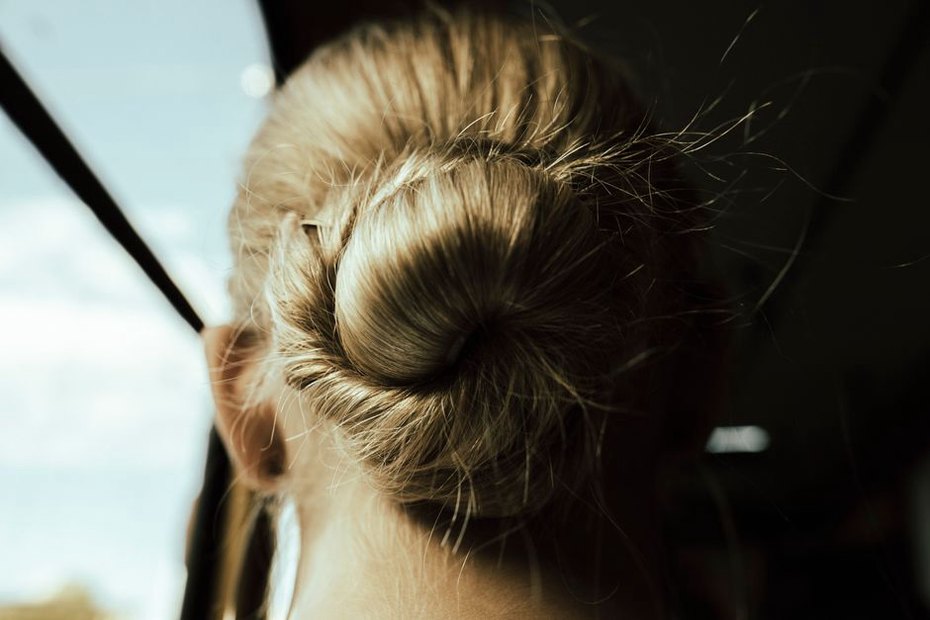
The Sunshine edition's golden hue pairs unexpectedly well with modern neutrals. Try clipping it into a low side bun worn with a cream linen blazer and wide-leg trousers – the barrette becomes a single point of warmth. For evening, a high ponytail wrapped with the barrette at the base complements a black silk dress. The key is to let the accessory speak; avoid competing with other statement jewellery. Because the barrette is metal-based, it holds thicker hair securely, but for fine hair, a small dab of hairspray on the clip teeth prevents slipping.
One common mistake is treating the Sunshine barrette as a purely decorative piece. In fact, its spring mechanism is designed for daily use, and the enamel is durable enough for regular wear – provided you remove it before sleeping or swimming. The resin can become brittle in extreme cold, so store it away from radiators and direct sunlight when not in use. A soft cloth pouch or a compartmentalised jewellery box works best.
Care and Conservation for the Sunshine Finish
Vintage enamels require gentle maintenance. Avoid ultrasonic cleaners, which can loosen the resin. Instead, wipe the barrette with a slightly damp microfiber cloth, then dry immediately. If the spring feels stiff, apply a single drop of sewing machine oil to the hinge – never use WD-40, as it can seep into the enamel. For stubborn dirt in the floral crevices, a soft toothbrush dipped in mild soapy water works, but rinse sparingly and pat dry.
Collectors often report that the Sunshine edition develops a warm patina over the gold base, which many prefer to the original high shine. If you wish to preserve the original lustre, store the barrette in a dark, dry place. Avoid stacking it with other metal accessories, as scratches can remove the enamel layer. For more tips on caring for vintage hair finds, our post on Fresh Finds: The Magic of New Arrivals in a Vintage Hair Accessory Collection includes a section on cleaning newly acquired pieces without damaging their character.
Why the Sunshine Edition Endures
The Arizona Bow Barrette Sunshine is more than a pretty object – it is a snapshot of a moment when British fashion dared to be sunny. The 1970s were a decade of economic uncertainty, yet accessories like this one offered affordable joy. Today, as interest in conscious fashion grows, wearing a vintage Sunshine barrette is a small act of preservation. It keeps a piece of Birmingham's craft heritage alive and proves that thoughtful design outlasts trends.
When you find a genuine Sunshine barrette at a vintage fair, check the clasp for the Arizona stamp and the distinctive golden hue – it is your ticket to a piece of 1970s sunshine that still shines.