
Vintage Hair Accessories in Summer: What Works and What Wilts
On a hot July afternoon, a 1920s celluloid comb that has survived a century in a dressing-table drawer can suddenly begin to soften against the scalp. The warmth that makes summer the most joyful season for wearing vintage hair accessories is the same warmth that tests their materials, and your patience. Knowing which pieces to reach for, which to leave at home, and how to pack the rest is the difference between a summer of garden-party elegance and a mournful trip to the repair bench.
Why summer is the true testing ground for a collection
Vintage hair accessories were designed for an era of hats, gloves, and afternoon tea, not for the British heatwave that now arrives with alarming regularity. The good news is that most pieces respond well to a little understanding. The bad news is that the failures are dramatic: a bakelite slide that suddenly looks cloudy, a silver comb that leaves a green mark on a white dress, a ribbon bow that wilts like a lettuce leaf.
The first rule of summer collecting is to think in materials, not decades. A 1930s celluloid comb and a 1950s plastic clip may be contemporaries, but they behave very differently in warmth. Get to know what each piece is made of before you commit to wearing it outdoors in June.
Materials that love summer
- German silver and sterling silver combs — cool to the touch, and they conduct heat away from the scalp. They tarnish faster in humid air, but a quick polish before a garden party keeps them bright.
- Horn and real tortoiseshell — resilient in warmth, and they develop a deeper grain in sunlight. They need moisture, so a little wax or oil keeps them supple.
- Bakelite — the heavyweight champion of summer. It tolerates warmth well, though prolonged sun can dull its surface. A rub with a soft cloth restores the glow.
- Fabric bows in natural fibres — silk, cotton, and velvet ribbons sit well in loose summer hair. Velvet is a risk in direct sun, but a silk bow in a bright colour is the easiest way to make one vintage piece look like a whole summer outfit.
Materials that need a summer curfew
- Celluloid — softens in heat and is highly flammable. It is safe for short outings in the evening, but not for long afternoons at a festival.
- Early plastics such as casein and galalith — they can warp or discolour in strong sunlight.
- Velvet and heavy silk bows — humidity makes them limp, and sweat can leave watermarks.
- White metals with lacquer — the lacquer can blush in heat, leaving a milky film that is difficult to remove.
| Material | Summer behaviour | Best use |
|---|---|---|
| Celluloid | Softens in strong heat; flammable | Evening events, short outings |
| Bakelite | Heat-resistant; can dull in sun | Festivals, long daytime wear |
| German silver | Stays cool; tarnishes faster in humidity | Weddings, race days |
| Horn / tortoiseshell | Stable in warmth; needs occasional oiling | Garden parties, beach trips |
| Silk / velvet bows | Silk copes well; velvet wilts in humidity | Silk for daytime, velvet for cool evenings |
Building a summer capsule from pieces you already own
You do not need a new collection for summer. You need a small rotation of pieces that work with the hairstyles and events of the season. A summer capsule of five pieces is enough to cover every occasion from a Tuesday morning to a Saturday wedding.
- A pair of 1960s side combs — the workhorse of summer. They pin back sections of hair without needing a full updo, and they stay put in humid air.
- A single statement comb for low buns — a 1920s or 1930s comb with a decorative top edge. It anchors a loose chignon in seconds and looks intentional.
- A silk bow clip — for days when the hair is simply down and needs a focal point.
- A bandeau or headband — useful for keeping hair off the face at the beach or at a picnic, and very much at home in the 1920s revival styles that suit summer.
- A set of hairpins — not glamorous, but essential for keeping everything in place when the wind arrives at exactly the wrong moment.
Choose pieces in metals that match your summer jewellery. If you wear gold earrings all summer, a gold-toned comb will look more cohesive than a silver one. If you wear both, mix them deliberately — two pieces in different metals in the same hairstyle can work, but three starts to look accidental.
Summer events and the vintage silhouette
British summer offers a peculiar calendar of occasions where vintage hair accessories shine: village fetes, race days, garden parties, weddings, and open-air concerts. Each calls for a different approach.
For a wedding, a single decorative comb in a low chignon is the classic choice. It reads as formal without competing with the dress. For a race day or a garden party, a pair of side combs with a small bow in the centre is more playful and photographs well. For a festival, a bandeau in a bright colour keeps hair contained while you dance, and it protects the hairline from sun in a way a hat cannot.
One practical detail: summer hair is often freshly washed and slippery. Vintage grips were designed for hair that was not washed daily, so they can slide out of clean, conditioned hair. A sprinkle of dry shampoo or a little backcombing at the root gives the accessory something to grip. If you are not comfortable with backcombing, a thin elastic band hidden beneath the hair can hold a comb in place without being visible.
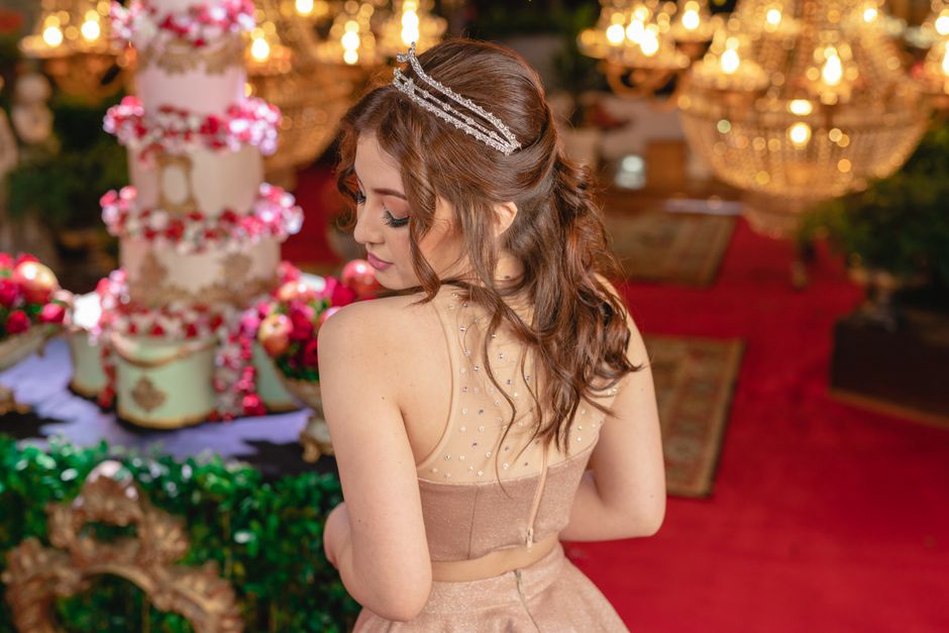
For those who want to explore how a whole summer of wearing vintage pieces changes the way people respond, a summer of social experiments wearing vintage hair accessories offers a playful and genuinely useful record of what works and what simply falls out by lunchtime.
Caring for vintage accessories in summer heat
Summer is the season when collections are damaged not by being worn, but by being stored badly. An attic with a skylight, a windowsill above a radiator, a car glovebox — these are the places where vintage hair accessories go to die.
Keep your summer rotation in a box lined with acid-free tissue, away from direct sunlight. Do not store celluloid near any heat source. Do not stack heavy pieces on top of delicate ones. And never leave a vintage accessory in a car, even for an hour — the heat inside a parked car in July can soften celluloid and warp horn.
After a day of wear, give each piece a simple check. Wipe metal combs with a dry cloth to remove sweat and sunscreen. Rinse fabric bows gently in cold water if they have absorbed perspiration, and dry them flat. For horn and tortoiseshell, a drop of neutral oil on a soft cloth keeps the surface from drying out after a day in the sun. If a piece has been at a festival and come home dusty, a soft brush is kinder than a wet wipe.
Sea air and chlorine are the two silent enemies. If you wear a vintage comb at the beach, rinse it in fresh water as soon as you can. Salt crystals can scratch silver and dull bakelite if they are left to dry on the surface.
Packing vintage accessories for a summer trip
If you are taking a collection on holiday, resist the urge to bring everything. Choose a maximum of four pieces — a pair of side combs, one statement comb, and a silk bow — and pack them in a hard-shell spectacle case or a small wooden box wrapped in tissue. Do not wrap them in plastic bags; trapped moisture is worse than a little air. In the suitcase, keep them away from sun cream, insect repellent, and anything with a strong scent, because the solvents can damage bakelite and celluloid surfaces.
Sourcing summer finds at British fairs and auctions
Summer is also the richest sourcing season in Britain. Car boot sales, village fetes, antiques fairs, and online auctions all fill up with house clearances and holiday clear-outs. The pieces that surface in summer are often different from the winter stock — they come from holiday homes, seaside cottages, and the dressing tables of relatives who have finally decided to let go of a collection.
What to look for:
- Combs with missing teeth — often sold cheaply, and repairable if the body is intact. A comb with a broken top edge is harder to fix; a comb with missing teeth is a candidate for a jeweller or a careful DIY repair.
- Bakelite bangles and slides sold together — the bangle market has pushed up prices, but the hair accessories in the same lot are often overlooked.
- Ribbon and velvet bows from the 1940s and 1950s — they are frequently tangled in boxes of sewing materials, and sellers do not always recognise them as hair accessories.
- Celluloid pieces in original boxes — the box often protects the piece from light and heat, so the condition is better than expected.
For collectors travelling abroad in summer, a vintage hair accessory hunt across the Atlantic offers a different set of treasures — American-made bakelite and 1950s Lucite pieces that rarely surface in British sales.
One final summer ritual
At the end of August, before the season fades, take out every piece you wore and give it a full check. Polish the metals, clean the fabric, condition the horn, and note which pieces earned their place in the summer rotation. That single hour of attention will tell you exactly what your collection needs for next year — and it will save you from discovering a tarnished comb in the middle of next June. Make it a habit, and your summer collection will grow not just in number, but in trustworthiness.