
Vintage Lace Hair Accessories: Construction, Dating and Care
On a lace-covered hair slide, look first at the edge. A neatly turned border may conceal the stitches holding the lace to its backing; a raw edge that has begun to lift can catch each time the slide is handled. Turn it over, too. The lace, its support and the metal fastening do different jobs, and the piece needs all three to work together.
A veil can hang freely, but a lace bow, rosette, clip or comb must hold its shape in a small space. Makers have used gathered strips, folded motifs, stiffened foundations and carefully placed stitches to do it. Those choices make a vintage find more interesting to examine—and help you judge whether it can be worn or is better kept for occasional display.
What lace contributes to a hair accessory
Lace may be made by hand or machine, its design formed by threads and the spaces between them. In a hair accessory, that openwork does things an ordinary ribbon cannot. Gather a strip and the pattern looks denser; lay it over coloured fabric and the backing shows through; raise it slightly from its foundation and it casts a faint shadow. Even a small piece can change the look of a plain comb or clasp.
Lace names a family of textiles, not a single technique or period. Needle lace is built with stitches; bobbin lace is made by crossing and twisting threads wound on bobbins. Crochet and tatting create other forms of openwork, while machine-made lace brought repeating designs into wider use. Embroidered net is different again, with motifs worked onto a sheer ground. A seller’s description is a place to start, not proof of how a fragment was made.
Fibre matters as much as pattern. Older pieces may contain cotton, linen or silk, while later accessories and repairs may use rayon or synthetic thread. One bow can contain several materials: soft cotton may fall into a relaxed loop, crisp lace can hold a small pleat, and fragile silk lace may look exquisite yet struggle against the strain of a working clasp. Without documentation or specialist examination, the visible construction often tells you more than a precise fibre or lace-making attribution.
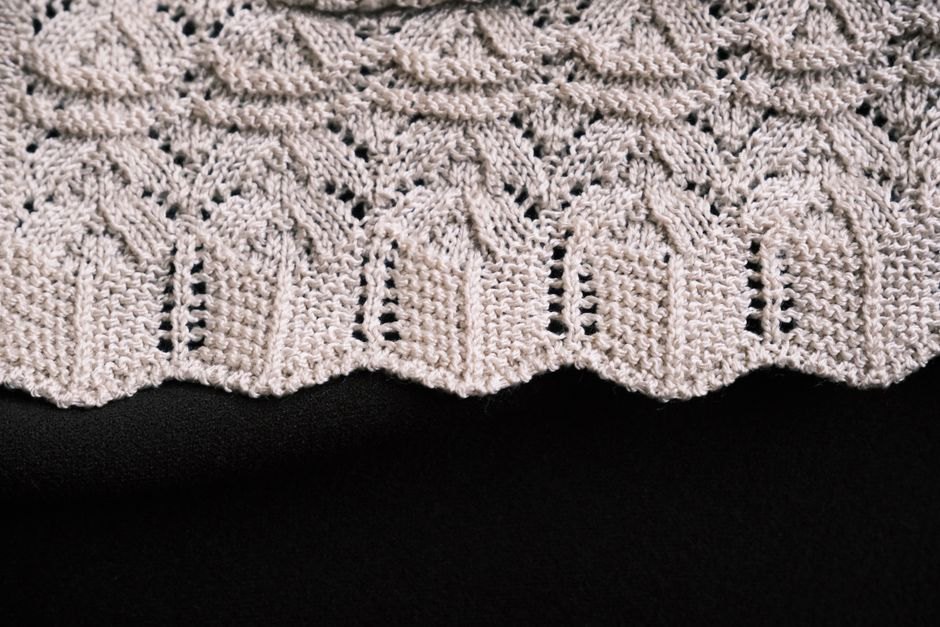
The hidden structure behind a light-looking piece
Most lace hair ornaments have a foundation. Fabric, ribbon, felt, fine net or a shaped insert gives the lace support and can stop the metal fitting showing through its openings. A maker might stitch along one edge of a strip, pull the thread to form a rosette and sew the gathered centre to a base. Or they might appliqué a shaped motif flat onto backing. Neither approach is inherently finer: one gives volume, the other a quieter outline.
On a bow, inspect the centre wrap. It may hide the joins between two folded lengths, along with the stitches securing them to the clip. On a comb, follow the thread through the teeth or the holes in a supporting strip. If only a few weakened stitches hold the ornament in place, the lace may shift even when the comb feels sound. Backing also protects openwork from rubbing against the fastening during wear.
Some makers stiffened lace to support a fan, loop or upright flourish. Stiffness cannot tell you what treatment was used, or whether it was original. An old finish may have become brittle; a later repair may leave a hard, shiny patch. Assess the shape gently, without flattening or flexing it. An ornament that holds its form may still break if bent into a new one.
Three common constructions
- Gathered lace: A strip is drawn together along a sewn edge to form a ruffle or rosette. Check that the gathers remain anchored, particularly beneath a central button or fabric wrap.
- Layered lace: Lace sits over ribbon, satin or another fabric. The backing affects how clearly the pattern shows and may take most of the strain from the fastening.
- Applied motifs: Flowers, leaves or geometric shapes are stitched onto a base. Look closely at their outer points, where loose threads readily snag.
Reading period style without overdating the lace
The lace may be older than the accessory. Dress trimmings were reused, later makers borrowed earlier designs, and a fastening may have been replaced. Consider the silhouette, foundation, stitching and hardware together rather than dating a piece by its lace pattern alone.
Late Victorian and Edwardian tastes could favour elaborate arrangements of lace and other trimmings, but an ornate motif on a modest comb does not automatically place it in either period. In the 1920s, flatter ornaments could sit close to short hairstyles, while dressier pieces played with texture and sheen. Mid-century accessories often used lace on bows, small clips and decorative trims. These are useful points of reference, not firm dates for a particular find; later revivals and home sewing can echo any of them.
Proportions may offer a better guide to wearing a piece than an uncertain date. A broad, softly gathered bow has a different presence from a narrow lace strip across a barrette. A compact rosette adds texture beside a low bun; a wider lace-covered comb can mark the edge of an updo. Scale, backing and position can make the same motif feel formal or everyday.
Looking closely at a vintage find
Start with condition, not a romantic description. Hold the accessory over a plain surface, where any loose fibres or fragments will show, and turn it slowly in good light. Inspect the meeting point between openwork and backing: a small break at a heavily stitched spot may matter more than an irregularity in the pattern. On a bow or matched pair, compare the sides for fading, repairs and changes in texture.
Check the fastening on its own. A clip should open and close without force; a comb needs sound teeth and a secure connection to its ornament. Rust, sharp edges or a wobbling hinge may make a lovely piece impractical to wear. One careful check tells you more than repeatedly working an old clasp.
Hand stitching alone does not establish age. It may be original, a home-made adaptation or a later repair; machine stitching does not automatically make a piece recent, either. Ask whether the thread is consistent with the construction, whether the joins make sense and whether the lace appears shaped for its base. Treat a confident period or lace-making attribution as provisional if a listing gives no evidence for it.
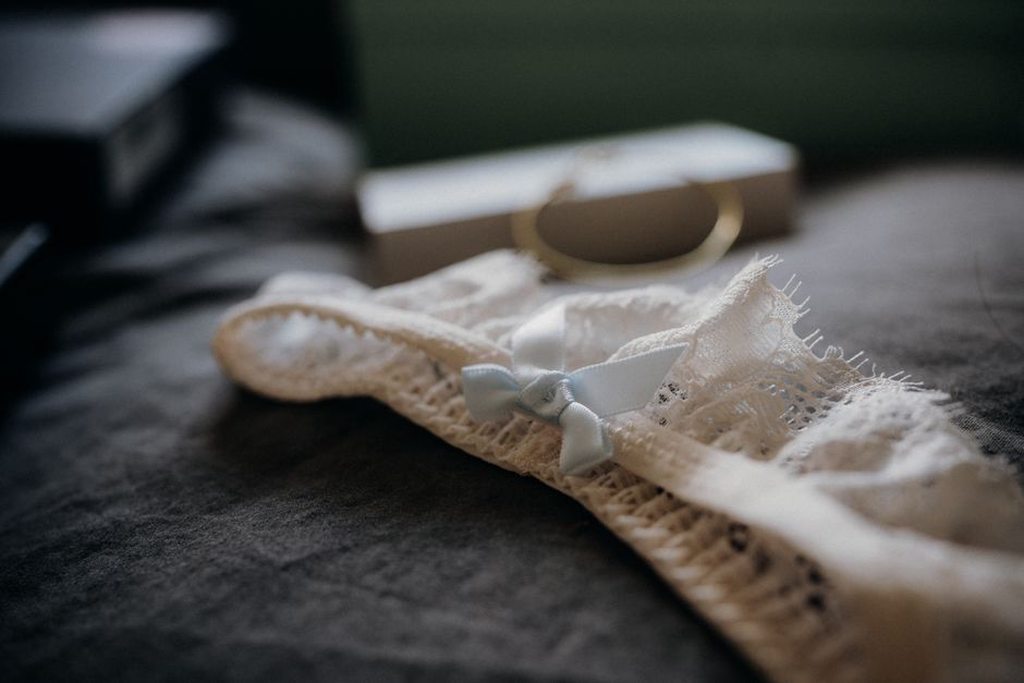
Questions worth settling before choosing a piece
- Can it bear normal handling? Inspect the joins between lace, backing and fastening, not only the decorative front.
- Is the discolouration stable? Uneven colour may be part of its history; powdery fibres or a flaking finish call for greater caution.
- Has it been altered? A replacement clasp can make a piece useful, but it should be described honestly, not presented as untouched.
- Does its shape suit the intended hairstyle? A heavy ornament on a small fastening may tilt or pull at its stitching.
Sometimes the most appealing find is a loose lace ornament with no safe way to fasten it. It need not become wearable. Keeping the original stitches intact and the fragment flat may be kinder, especially if the lace tears under its own weight.
Wearing lace without asking it to do the fastening’s job
Let the lace decorate a secure hairstyle rather than hold it together by force. Secure the hair first with suitable pins or an unobtrusive tie, then place the comb or clip where its fastening meets little resistance. That puts less strain on old stitching and makes removal easier. When adjusting it, hold the metal or firm backing, not the lace.
Contrast helps the workmanship show. Cream lace against a dark jacket or plain knit reveals the openwork; black lace can soften a crisp white shirt. A small rosette beside a low bun feels relaxed, while a symmetrical pair of clips looks more deliberate. Neither calls for a period outfit. If the lace is ornate, simpler nearby jewellery gives its details room.
Position changes the effect, too. At the base of a ponytail, a bow reads as a textile accent; higher up, its outline becomes more noticeable. A comb set to one side of an updo shows both its shape and the movement of the lace. Before wearing an old ornament all day, try it briefly at home and check that the fastening stays secure without rubbing or pulling the textile.
Cleaning, repairs and storage
Do not wash a vintage lace accessory as though it were a detachable length of trim. Water may affect its backing, metal, old stiffening or dyes, even if the lace seems washable. Bleach and household stain removers can be especially hard on weakened threads. For light dust, a soft, dry brush and minimal pressure may suffice. Support the lace underneath, brush away from vulnerable edges and stop if fibres lift.
A loose stitch is easier to address before a motif comes away, but a repair should respect the original structure. Thread pulled tight across openwork can distort the pattern; glue may stiffen or stain fabric and complicate future repairs. A textile conservator can advise on a particularly fragile or valuable piece. Replacing a clasp may be sensible for an everyday accessory if the new fitting can be attached to a sound base. Record the change so it is not mistaken for original construction.
Store lace ornaments so clasps and comb teeth cannot snag their neighbours. A small box with acid-free tissue can support a bow’s shape: rest the tissue lightly inside a loop rather than packing it so tightly that the seams strain. Keep each accessory apart from sharp metal fittings and away from prolonged bright light, which can worsen fading. A fragile ornament is better supported flat than hung by its lace.
Before putting a newly acquired bow away, photograph its front and back and note any lifted edge or loose centre stitch. Check that same spot when you next take it out. A shift of a few millimetres at the centre wrap may tell you more about whether it is safe to wear than the rest of the lace does.