
Vintage Floral Hair Accessories: How to Choose, Wear and Care for Them
A fabric rose on a hair clip can look convincingly old—until you turn it over and find a modern glue pad beneath the petals. The flower is only half the accessory. Its backing, stitching and fastening tell you more about how it was made, and whether it will stay comfortably in place.
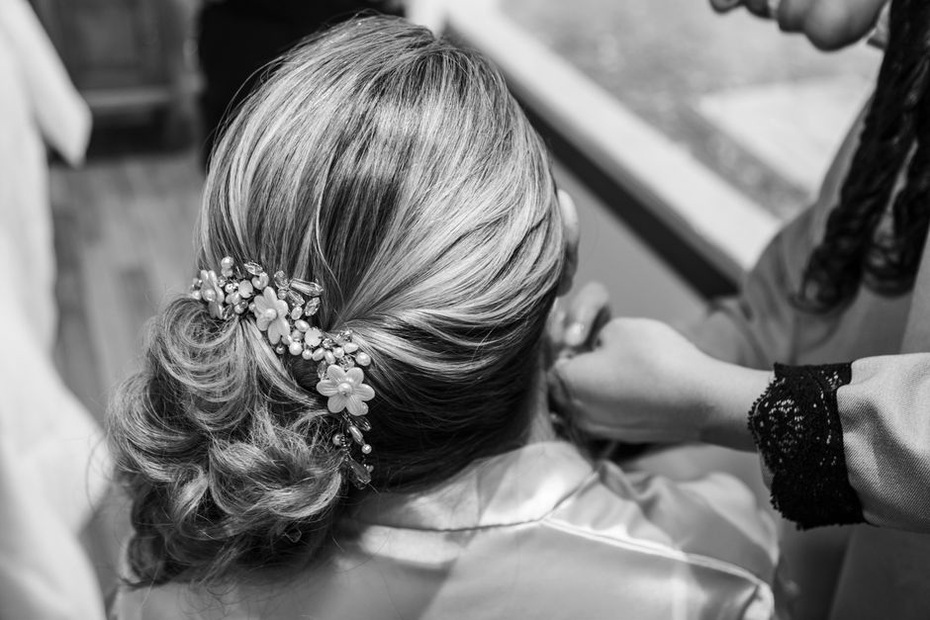
Floral hair accessories have taken many forms in British dress: small flowers on combs, bold arrangements worn with hats, and blooms for occasion clothes. Scale and material can change the mood entirely. A single velvet pansy feels quite different from a cluster of wired silk blossoms, even at the side of the same bun.
How floral styles changed
Flowers have long appeared in hair ornaments, but the motif alone cannot date a piece. In the late Victorian and Edwardian periods, millinery flowers could be adapted for hair as well as hats. Some had shaped fabric petals on wire stems; others used beadwork or carved materials. Delicate examples have not always survived well, so condition matters as much as age.
In the 1920s, a flower worn low beside a short cut or close to the ear could create a striking outline. The fuller hairstyles associated with the 1940s made room for larger blooms, sometimes gathered into a spray. Mid-century flowers appeared on clips, combs and small hats; their colours might echo a dress without matching it exactly. By the late 1960s and 1970s, daisy shapes, embroidered florals and flower crowns offered other possibilities. These are styling tendencies, not dating rules. Older designs were copied, and fastenings were often replaced.
Read the flower before the date
Petals, centres and stems
Silk and other woven fabrics can be cut, stiffened and shaped into petals with a surprisingly lifelike curl. Velvet gives a flower a soft, deep outline; ribbon makes cleaner loops and flatter blooms. Beads, paste stones or a cluster of thread may form the centre. On a wired spray, look gently at the point where the stems join the backing. Loose wrapping there is more of a concern than a faded petal edge.
Not every flower was meant to look botanical. Moulded plastic makes a crisp daisy or rose, while enamelled metal holds a graphic outline. An embroidered flower on a bow has little in common structurally with a wired corsage, though both use the same motif. Treat descriptions such as “silk” or “handmade” as claims to check, not conclusions you can draw from a photograph.
What the reverse can tell you
Turn a prospective purchase over, or ask for a clear photograph of the back. A sewn fabric base, visible wirework or an older-style clip can offer clues about construction, but none proves an exact decade. Hardware can be repaired, and a vintage flower may have been remounted. A thick patch of fresh adhesive might hide a weak join or an alteration. If the petals look more worn than the backing, consider a later attachment rather than assuming the whole piece is new—or wholly original.
For a flower crown rather than a small clip, pay attention to the band beneath the blooms. Its covering, flexibility and joins affect fit and durability. The Frida Rosecrown vintage headband collector’s guide looks more closely at that form.
Choosing a piece you can actually wear
A large bloom needs a secure base; a tiny one needs a fastening you can find and use easily in your hairstyle. Before buying, check:
- Attachment: Does the clip close firmly, or do the comb teeth feel sound? Don’t force a stiff mechanism to test it.
- Balance: Is the flower centred over its fastening, or does its weight pull to one side?
- Petal condition: Look for tears at the base, crushed edges and colour transfer, not just the fading that can give a piece character.
- Wearable size: Compare the measurements with an accessory you own. A close-up photograph can make a small flower look enormous.
- Provenance: Distinguish a dated vintage piece from a vintage-style reproduction. When evidence is limited, an approximate description is more honest than a precise decade.
A detached petal needn’t rule out a piece, but any repair should suit its construction. A few discreet stitches may work for a fabric bloom; glue spread across old petals can stain them and make later repair harder. With a fragile or valuable piece, it is usually better to leave it alone than attempt a hurried fix.
Let the flower meet the wardrobe
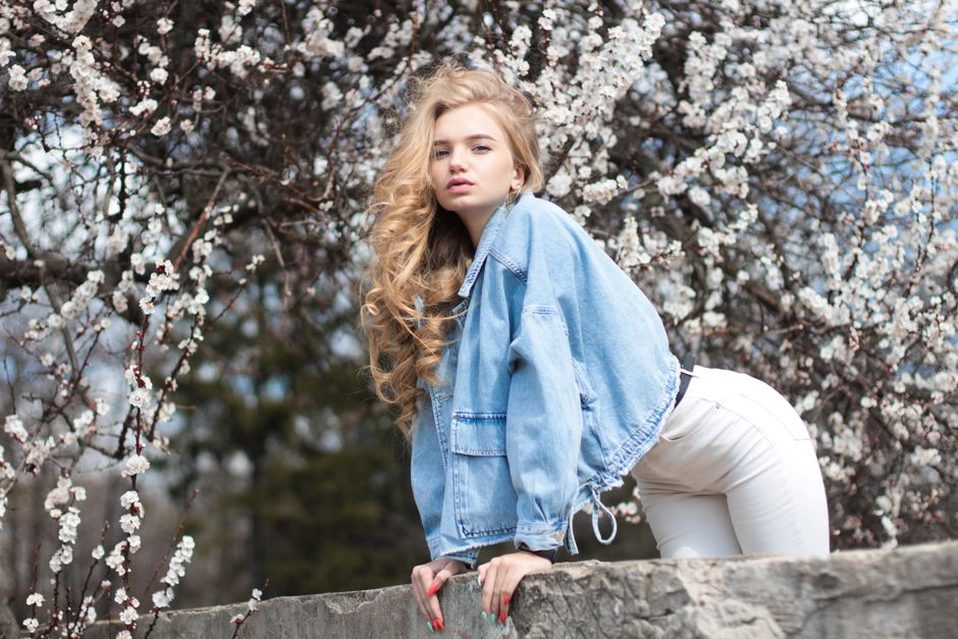
Florals needn’t make an outfit feel like a costume. A single cream flower above a low twist can soften a dark blazer and plain blouse. A bright plastic daisy looks sharper with a simple knit or denim than among competing prints. For occasion wear, a wired cluster can sit beside a bun if its fastening can support the weight. Once it’s in place, move your head gently before leaving the house. If it shifts, change the fastening or choose a lighter piece.
Scale changes the effect, too. A small spray tucked partly behind the ear makes a quieter reference to vintage dress than a full ring of flowers. If your outfit already has a floral print, pick up one colour rather than trying to match every shade. Materials offer contrast: a velvet bloom against crisp cotton, or a translucent fabric flower beside a structured jacket.
Keep fragile blooms in shape
Store fabric flowers where their petals won’t be compressed, ideally in individual boxes with room around the edges. Support an unstable spray under its base rather than pressing tissue into every petal. Keep pieces out of prolonged strong light, which can fade dyes, and don’t soak them: moisture may soften stiffening, mark fabric or affect old metal parts. A soft, dry brush can lift loose dust from sound petals, but stop if threads or surface decoration begin to move.
After wearing a wired flower, check that its wrapped stems haven’t caught on the clip. If one has worked loose, put the piece back in its box with a note about the fault. You’ll be glad you did when you next reach for the rose and its leaves are still beside it.