
1970s Hair Accessories: British Styles, Vintage Finds and How to Wear Them
A narrow ribbon tied around a plait could pass for part of a school uniform on one British street and a folk-inspired Saturday outfit on the next. In the 1970s, hair accessories seldom belonged to just one look. Plastic slides, fabric bands and small combs went to school, to work and out dancing. At home, an old scarf might be cut into new hair ties. These objects tell us as much about daily habits as fashion photographs do.
Not one decade, but several overlapping looks
The early 1970s carried forward the late 1960s taste for long, loose hair, centre partings and simple bands. Nostalgia for earlier periods made room for ribbons, decorative combs and soft fabric flowers, too. A scarf tied across the crown might suggest a romantic, vaguely Victorian mood with one outfit; with flared trousers and a fitted shirt, it looked entirely of its moment.
Later, feathered cuts and layers changed the job an accessory had to do. A small slide could hold back one side without flattening the rest. Wide bands and headscarves gave a stronger outline, while glossy clips and metallic details caught the light on a night out. Punk emerged in Britain in the latter half of the decade and made everyday fastenings part of the look. Its improvised spirit is relevant, though a decorative safety pin is no substitute for a comfortable, purpose-made hair fitting.
None of these looks represented every household or region. A teenager buying inexpensive slides, a woman keeping a practical clasp in her handbag and someone dressing for a night out might all own recognisably seventies accessories for different reasons.
What an accessory did during the day
At school, at work and on the bus
First, an accessory had to stay put. Elastic bands secured ponytails and plaits; slides kept a fringe back; combs tucked loose sections into place. School rules might restrict colour or ornament, giving a plain ribbon or discreet clip a life well beyond its fashionable moment. For work, a scarf or barrette could tidy loose hair without an elaborate set.
That helps explain why surviving pieces can look so modest. A worn clasp may have been opened every morning for years, while a flamboyant flower spent most of its life in a drawer. Wear tells a different story from a pristine label.
After dark and at home
Evening pieces offered texture and movement: satin-like ribbon, velvet, metallic finishes, imitation pearls or artificial blooms. Hair ornaments could echo costume jewellery without matching it exactly. At home, fabric remnants and leftover yarn became bands and bows through sewing or knitting. Such pieces are hard to date by appearance alone: their makers could reuse older materials, and handmade styles crossed decade boundaries.
A crocheted band fits the period's taste for textured, handmade dress, but crochet alone does not establish a 1970s date. A paisley scarf, likewise, might have been worn then but made earlier.
The materials behind the look
Mass-produced clips made colourful accessories affordable. Moulded plastics could imitate tortoiseshell, form solid blocks of colour or create translucent effects. Often, a decorative plastic top was attached to a separate metal clasp or slide, and the two parts did not always age alike. The fitting might tarnish while the top stayed bright; the plastic might warp while the clasp still snapped shut.
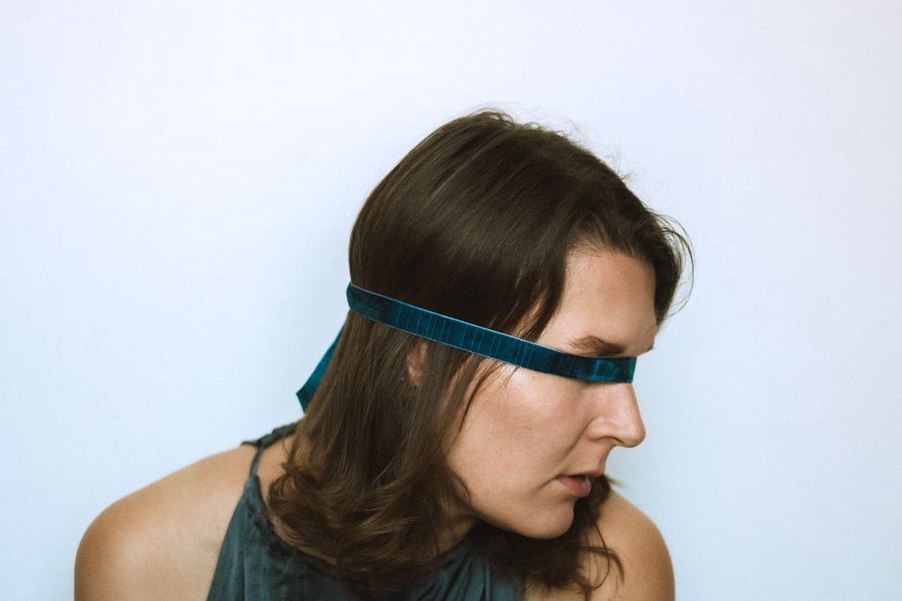
Fabric gave wearers other options. Ribbons came in different widths and finishes, scarves could be folded and retied, and padded or covered bands created a soft outline. A bow's fibre is not always clear to the touch: shine does not prove silk. Nor should an amber-coloured comb be assumed to be real tortoiseshell. Imitation was part of the appeal, not evidence of an object's composition.
The blog's account of the P403 granny square scarf and its styling history offers a useful comparison with another accessory that could be worn in the hair. A square scarf and a narrow band can share a handmade feel, but they are constructed and fastened differently.
Reading a vintage find without forcing a date
A seller's “1970s” description is a starting point, not a certificate. Look for several clues rather than relying on one fashionable colour:
- Look at the whole object. A convincing period-style top may have a replacement clasp. See whether the fitting appears consistent with the top, and check for glue or fresh tool marks that could indicate repair.
- Consider provenance. An original shop card, dated photograph or family account may help establish when an item was owned or worn. It may not tell you when it was made.
- Compare materials carefully. A moulded plastic comb could be old, but contemporary makers produce convincing retro shapes too. Colour, weight and surface wear are clues, not definitive tests.
- Check function before value. Open a clasp gently, inspect comb teeth and feel for rough edges. A cracked hinge may make an attractive piece better suited to a collection than to regular wear.
When evidence is thin, “1970s-style” or “likely 1970s” says more than an unqualified date. That distinction matters especially for unlabelled handmade pieces and designs revived in later decades.
Giving the pieces room in a modern wardrobe
Let a seventies accessory do the job it was made for. A plain plastic slide can hold one side of a layered cut beside a modern blazer; a narrow ribbon can finish a plait worn with knitwear. A patterned scarf has more visual weight and can stand alone against a simple shirt. You needn't recreate an entire period hairstyle for one original detail to register.
Fit matters more than strict authenticity. A comb that needs a firm hairstyle may not stay in a loose arrangement, and forcing its teeth can break them. With fabric, try a knot without tugging at old stitching. If a piece repeatedly snags or slips, change the arrangement or leave it unworn.
For storage, close clasps without straining them, keep metal fittings away from delicate fabric and avoid leaving coloured plastics in prolonged direct sunlight. If you bring home a ribbon with an uncertain past, photograph its label and stitching before putting it loosely in a clean box. Washing it straight away could remove clues to its history.