
British Hair Ribbons: School Bows, Vintage Styles and What to Look For
A narrow ribbon at the end of a plait can look unmistakably schoolroom. Thread the same ribbon through a formal hat and it may look ceremonial. In Britain, colour, width and placement have long mattered as much as the fabric itself. So have the rules of the occasion.
How a simple tie acquired a public identity
Before elastic hair ties became commonplace, ribbon was a practical way to secure or finish a hairstyle. It could be untied, washed or replaced without changing a garment. A length cut from dress trimming might finish a plait; a wider ribbon could be shaped into a conspicuous bow.
Colours on hats, badges and clothing have signalled allegiance to British schools, clubs and other institutions. Hair ribbons could serve the same purpose, especially where uniform rules governed appearance. The prescribed shade might matter more than the shape of the bow.
That is why there is no single British hair-ribbon silhouette. A crisp school bow, the long tails seen in an Edwardian-inspired portrait, a modest tie beneath a wartime hat and an oversized bow from later youth fashion share a material, but not a fixed meaning.
The school ribbon: uniform, identity and memory
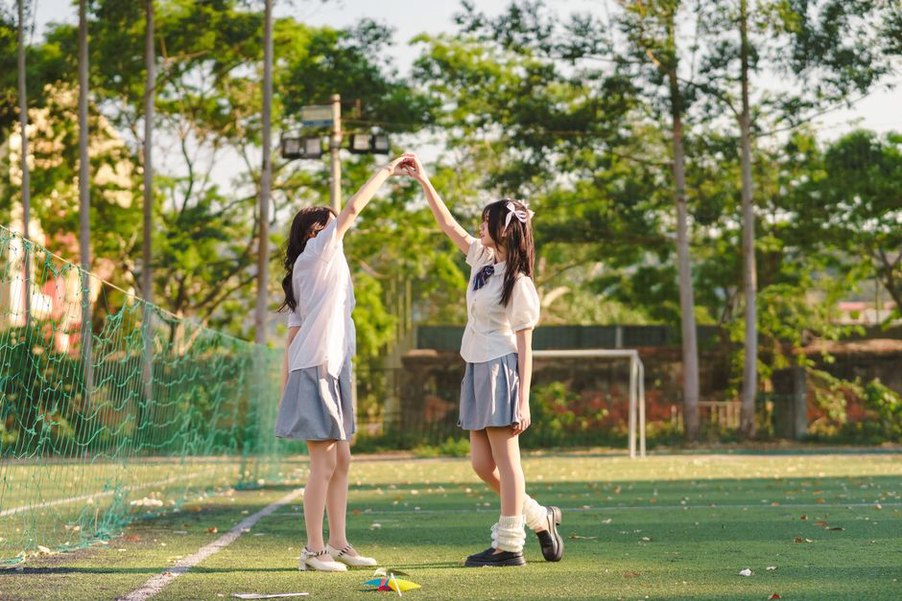
For many people in Britain, the hair ribbon first brings school uniform to mind. Rules differed between schools and periods, but approved colours offered a way to keep long hair tidy while matching the rest of the uniform. Rows of similar bows in a class photograph can make the style seem timeless. Look closer and some are short and flat, while others have generous loops or diagonally cut tails.
A school bow marked belonging, yet left a little room for choice. Within the required colour, a pupil might tie it tightly, set it above a ponytail or fasten it at the end of a plait. A stitched bow on a clip gave a more consistent outline than a loose ribbon tied each morning. Neither type pins down a decade: dress codes and personal habits changed at different speeds.
That familiar shape can stir nostalgia even when the bow is new. To judge its age, look at construction, materials and provenance rather than the seller’s description alone. A photograph of the wearer or an original school label says more than a claim that a bow is “vintage schoolgirl”.
From formal portraits to everyday wear
Late Victorian and Edwardian silhouettes
In late Victorian and Edwardian photographs, girls’ bows can be strikingly broad, particularly when worn high on the head or against loose hair. Portraits record selected outfits, not an average day’s dress, so they do not prove that every child wore an enormous bow. They do show how much of the silhouette came from the ribbon itself: the size of the loops, the fabric’s stiffness and the position of the knot.
Ribbons came in silk and cotton, among other fibres, with manufactured fibres appearing later. A firm weave held a crisp loop; softer fabric fell closer to the head. Plain, striped and patterned versions changed the effect without changing the method of tying. In an old photograph, the shape is usually easier to identify than the fibre.
Changing expectations in the twentieth century
Shorter hairstyles gained visibility during the 1920s, so a large bow tied into long hair was no longer the only fashionable image of youth. Ribbons remained in use, though: they trimmed hats, fastened shorter sections of hair and stayed part of children’s dress. Magazines and films showed new looks, while everyday choices still varied with age, setting and preference.
During the Second World War, practical demands affected accessories as well as clothing. Scarves and other coverings helped secure hair during work. Ribbons were worn too, but they were not the defining wartime hair accessory. After the war, bows found a prominent place alongside fuller skirts and polished youth styles. The 1960s and later decades borrowed the neat school bow or enlarged it into something playful, making style alone a poor guide to date.
What the fabric can—and cannot—tell you
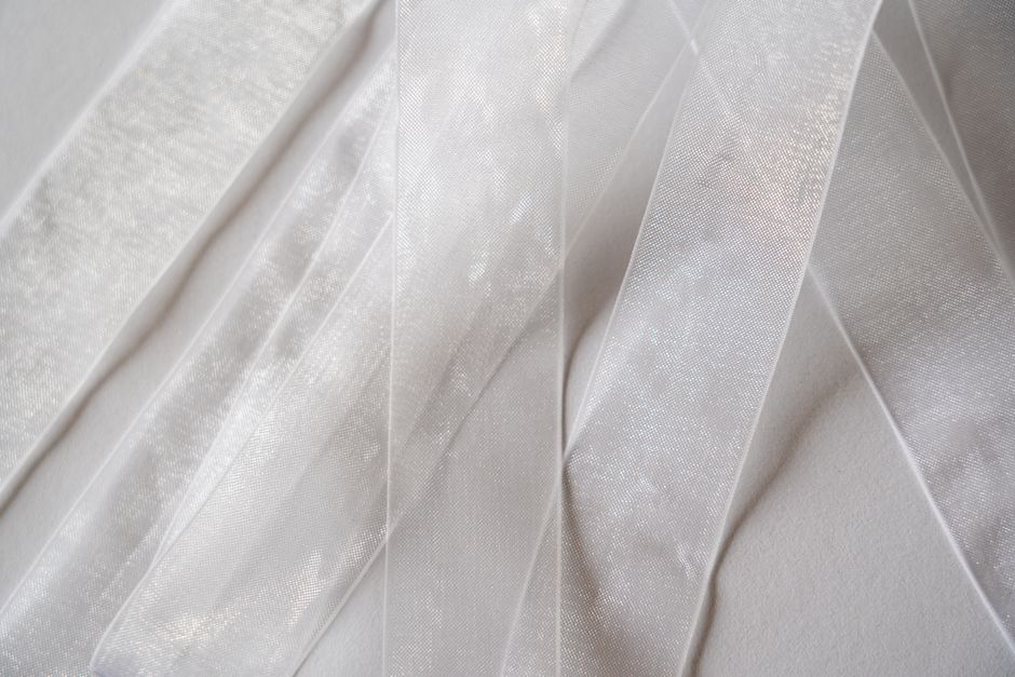
The surface of a ribbon is a starting point, not a birth certificate. Grosgrain’s close ribs help a bow hold its shape. Satin is a weave with a smooth, light-reflecting face, and it can be made from different fibres. Velvet has a pile surface that can look especially deep in colour, though pressing or storage under weight may flatten it. Moiré’s watered pattern lends interest even to a plain-coloured length.
Older ribbons may be silk, cotton, rayon or other fibres, while modern replacements can imitate old textures convincingly. An old ribbon might also have been retied on a newer clip. Inspect the whole accessory:
- Construction: Is it a free length, a stitched bow or ribbon attached to a clip? Check for hand stitches, later repairs and adhesive.
- Edges and ends: Woven edges, folded ends and diagonal cuts affect how neatly it wears. Fraying can come from use, not just age.
- Wear: Fading beneath a knot or creases where loops have repeatedly folded may show how it was worn.
- Context: A labelled uniform piece, dated photograph or family account gives stronger evidence for dating than colour or style alone.
Black ribbons are sometimes described as mourning accessories, but black was also a practical or fashionable choice. Colour cannot establish their purpose on its own. Nor does a stripe in school colours prove a connection to a particular institution.
Why the ribbon keeps returning
A bow changes character with its proportions. Short loops at the nape feel quite different from a wide bow above a ponytail, even in the same black grosgrain. That gives wearers room to borrow a historic shape without dressing in full period style. A narrow ribbon with a contemporary shirt recalls school uniform; long velvet tails beside a simple coat suggest an older portrait silhouette without claiming to be Edwardian dress.
There is a practical difference between a loose ribbon and a ready-made bow, too. The loose length can be retied for different hairstyles and stored flat. A bow fixed to a clip holds its proportions but is only as useful as its fastening. The guide to a petit velvet hair clip for children considers that later accessory as an object in its own right, rather than simply a length of ribbon.
Finding and keeping an older ribbon
Vintage ribbons turn up loose, sewn to hats or attached to clips. If you plan to tie a loose length, check its measurements before buying: a broad bow uses more fabric in its knot and loops than its finished width might suggest. Examine both sides in good light for fading, stains and weakened folds. Keep any documented link to a uniform or garment with the ribbon.
Support delicate fabric as you handle it instead of pulling on a tail to tighten the knot. Store the ribbon loosely rolled or laid flat, away from direct light. A small box can leave sharp creases in an old bow or crush velvet pile. Cleaning depends on the fibre, dye and any attached hardware; if you are unsure what an antique is made of, avoid a routine soak.
For an everyday take on a school bow, use a separate length of ribbed ribbon rather than tying a fragile original tightly. Allow enough for two loops and tails, then finish the ends in a way that suits the fabric. Keep the older piece with its photograph or label: the note naming the uniform it accompanied may tell you more than the bow itself.