
Tortoiseshell Hair Accessories: Shell, Imitation and Vintage Style
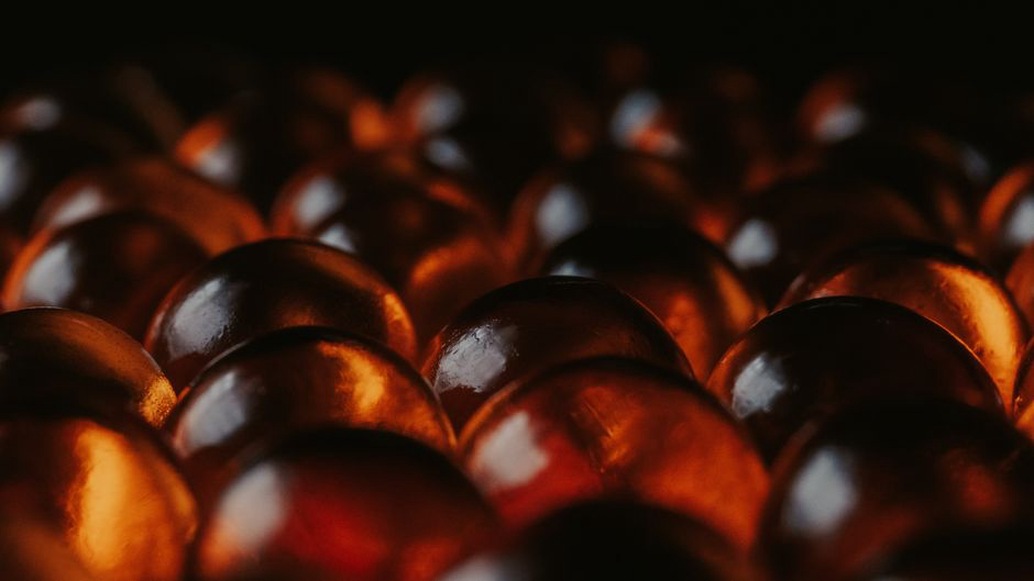
Hold a dark hair comb up to the light and you may see amber patches in the deeper brown. The mottling looks like tortoiseshell, but it tells you little about what the comb is made of. Historic hawksbill turtle shell, Victorian celluloid and much newer plastics can all look similar. Over time, ‘tortoiseshell’ became as much a description of a pattern as of a material.
When shell was a material, not just a pattern
Genuine tortoiseshell used in decorative objects came chiefly from the hawksbill sea turtle. Craftspeople valued its warm colour and translucency, as well as its ability to be shaped when heated. They could cut it into long comb teeth, curve it for a headpiece or polish it to bring out its markings. No two pieces looked quite alike; thinner areas could glow amber when held to the light.
Shell was expensive and limited. A large ornament called for suitable pieces and careful workmanship, particularly if it was carved or pierced. Decorative shell combs also have histories across parts of Asia and the Americas. Surviving British examples belong to a wider trade in materials and styles, not a single, uninterrupted British tradition.
In the nineteenth century, taller hairstyles and elaborate updos gave large combs a practical purpose as well as a decorative one. High-backed versions rose above the hair; shorter side combs held sections in place. Some were carved or pierced, while others let the shell’s markings do the work. The spacing and length of the teeth often tell you more about a comb’s intended use than the ornament above them.
Imitation changed who could wear the look
During the nineteenth and early twentieth centuries, manufacturers found other ways to reproduce tortoiseshell colouring. Horn had long been a workable alternative, but early plastics made the look easier to produce in quantity. Celluloid, introduced in the later nineteenth century, could be coloured and patterned on a scale natural shell could not match. Increasingly, a ‘tortoiseshell’ accessory named an appearance rather than an animal material.
That changed the objects themselves. Moulded and pressed materials made repeatable shapes possible: matching side combs, simple hair pins, narrow slides and practical clips could all carry similar brown-and-amber markings. Imitation need not mean poor workmanship. Its lower cost helped bring the pattern into everyday wear, and period examples have an appeal of their own.
Old celluloid needs care. It is combustible, and ageing pieces may become brittle or deteriorate. If an accessory has a strong chemical smell, a distorted shape, a tacky surface or powdery deposits, stop wearing it and keep it apart from other objects while you seek specialist advice. Colour alone will not reliably distinguish celluloid from shell, horn or later plastics.
From raised combs to close-fitting clips
Late Victorian and Edwardian shapes
Around the turn of the twentieth century, combs still secured gathered hair, though their outlines varied widely. A high decorative crest might show above an updo; a smaller curved comb sat closer to the head. Mottled pieces sometimes included metal fittings or other ornament. If you find one side comb on its own, remember that it may once have had a partner: pairs were common.
Shorter hair and the interwar years
The bob did not make hair accessories redundant. It changed where they sat and how large they needed to be. Smaller side combs, slides and clips could hold a wave or sit near the temple without a substantial updo to support them. Geometric details and streamlined profiles suited interwar styles, while a mottled clip could add a little depth without taking over.
Shape alone is a shaky basis for dating. Older designs were copied, fittings could be replaced, and an accessory might stay in use for decades. Look at the teeth, hinge, surface and construction together; the pattern is only one clue.
Mid-century practicality and later revivals
By the mid-twentieth century, mass-produced plastics had made tortoiseshell-effect pieces familiar dressing-table staples, not just accessories for formal occasions. Slides, grips and combs worked with neatly controlled rolls as well as looser everyday styles. Later decades brought larger claw clips, broad barrettes and fresh interest in decorative combs. The same pattern could look restrained on a slim clip and bold across a wide headband.
So a ‘tortoiseshell accessory’ is not one vintage look. A raised nineteenth-century comb, a small interwar side clip and a late-twentieth-century claw clip do quite different jobs, even if their colours are alike.
What a vintage label can—and cannot—tell you
On a listing or an old shop label, ‘tortoiseshell’ might mean genuine shell or simply the look of it. ‘Faux tortoiseshell’ is clearer, but it still does not identify the plastic. Shell, horn, celluloid and later materials can be hard to tell apart by sight, especially in photographs. Do not heat, burn or scratch a piece to test it. Those methods can damage it and, with older plastics, pose a hazard.
If you hope to wear a find, check its condition before trying to pin down its date. Look for cracked or shortened teeth, rough edges, loose rivets and hinges that fail to close evenly. Comb teeth should feel firm as you guide them into your hair, without bending alarmingly. A barrette should open smoothly and fasten securely without force. Clear photographs of the reverse often tell you more than a flattering shot of the patterned front.
Genuine hawksbill shell is a separate concern. Hawksbill turtles are protected, and trade in objects made from them is strictly controlled. The rules can depend on age, provenance and whether an item crosses a border. Do not assume that ‘antique’ means unrestricted, or that a seller’s description proves what a piece is made of. If its material or lawful provenance is uncertain, choose a clearly identified imitation. You can enjoy the pattern without seeking out actual shell.
Wearing the pattern without wearing a period costume
Amber and dark brown sit easily beside black tailoring, navy knitwear or a white shirt; there is no need for an exact colour match. Shape matters more. A small side clip can keep hair away from the face, a long barrette can secure a low gathered style, and a comb needs enough hair—or a prepared base—to grip. You need not recreate a period hairstyle to wear any of them.
Think about scale rather than strict period accuracy. A broad patterned clip can be the main detail in a plain outfit, while tiny side combs may get lost beside a heavy collar or prominent earrings. If you like mixing accessories, give each a different role: a tortoiseshell-effect slide can be a quiet fastening beside the more decorative shape discussed in The p415 Pearl Bow French Barrette: History, Care, and Styling.
Keeping older pieces usable
After wearing a piece, wipe it gently with a soft, dry cloth, paying attention to the teeth and fittings where residue can collect. Do not soak an unidentified vintage accessory or try to straighten a warped one with heat. Materials respond differently to water, solvents and temperature; glue and metal fittings may be more vulnerable than the patterned surface.
Store clips closed where their springs will not be under unnecessary strain, and leave room around combs so their teeth cannot snag on other objects. Keep suspected celluloid away from heat, and separate any piece showing signs of deterioration. Before wearing a newly found comb, lay it on a plain surface in good daylight and check every tooth and the reverse. It is a small step, but one that can save both the comb and your hair from a damaged fitting.