
Vintage Feather Hairpieces: How to Assess, Wear and Care for Them
A feather can look splendid in a display case yet be too fragile to wear. Before fastening a vintage hairpiece, check that the quill is secure, the vanes spring back gently and the base can be handled without shedding. The fastening matters as much as the flourish above it: on a small clip or comb, hidden stitching and wire often decide whether the piece can be worn occasionally.
What makes a feathered hairpiece distinctive?
Feathers add movement without the weight of a large ornament. One curved plume can extend the line of a hat or coiffure; a close-set cluster gives texture much like a fabric flower. Ostrich feathers have soft, open fronds, while stiffer feathers hold a sharper outline. Dye, trimming and arrangement often tell you more about the finished silhouette than the species name.
British fashion has used feathers in quite different ways. Late Victorian and Edwardian hats often carried elaborate trimming, though a feather removed from an old hat is not necessarily an original standalone hair ornament. In the 1920s, plumes and feather fans complemented evening headbands and close-fitting hairstyles. Mid-century cocktail hats and small fascinators brought decoration nearer the crown; later decades borrowed freely from all of these shapes. They offer useful style references, not firm dating rules. Feathers, mounts and fastenings may each have been replaced at a different time.
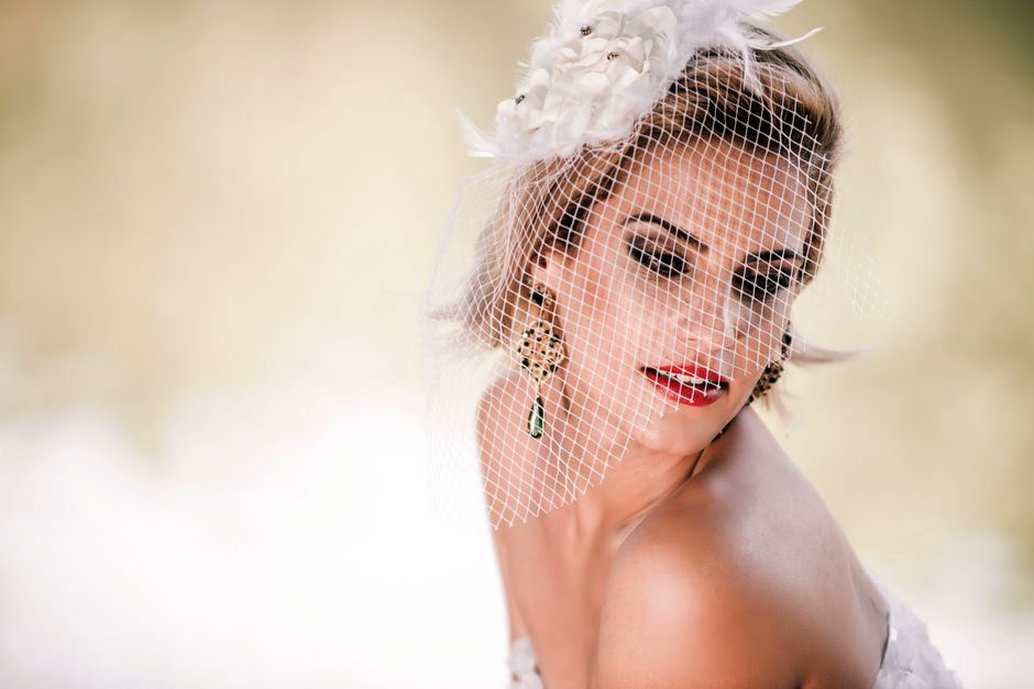
Read the construction before the label
Turn a prospective find over with clean hands, supporting it underneath. A comb, hinged clip, hat pin fitting or narrow band gives a clue to how it was meant to sit. Look for thread wrapped around quills, wire holding a spray together, or feathers fixed to a fabric-covered pad. Neat modern glue may point to a repair or later assembly; untidy glue proves nothing about age. An older-looking metal fitting may have been reused, too.
Describe what you can see before putting a date on it. “Feather spray on a metal comb” is observable; “Edwardian” calls for evidence from construction, provenance or a trustworthy original label. Treat a seller’s date as a starting point, not a guarantee. If the feathers sit on a small hat base, ask whether it was made as millinery rather than as a clip capable of bearing its own weight in the hair.
A five-minute condition check
- Lift the base, not the plume: check that the fastener opens smoothly and closes firmly without forcing it.
- Inspect attachment points: loose wrapping, broken stitches or exposed wire can let feathers shift during wear.
- Look along the quills: splits and pronounced bends are more worrying than a few naturally irregular fronds.
- Check for losses: compare both sides of a symmetrical arrangement and look for empty fixing points.
- Notice odour and residue: dampness, heavy perfume or powder caught at the base may make the piece unsuitable for immediate wear.
Some antique featherwork contains materials subject to wildlife protections, particularly when the species or the rules on cross-border movement are unclear. Don’t rely on a seller’s casual identification. If origin matters, seek specialist advice and check the applicable rules before buying or travelling with the piece. An unidentified plume may be better enjoyed as a documented collection object than worn day to day.
Choose a silhouette that belongs with your clothes
You needn’t recreate an entire decade to wear a feathered hairpiece. Start with scale. A short, compact spray adds texture beside a modern jacket; a long plume needs space and suits an otherwise restrained outfit. Hold it against your clothes before putting it on: soft grey feathers may disappear into tweed but show clearly against a plain dark knit.
Placement makes a difference. A small cluster above one ear has a different effect from the same piece near the back of the head, where the feathers can follow a low twist. Leave the base visible while you test the position, then conceal only what you need to. If it slips, change the fastening or placement rather than driving a delicate comb in harder. A simple contemporary band can also support a vintage-inspired arrangement; for a separate example of a 1960s accessory, the Zoe Headband collector’s guide looks at that particular headband, not a feathered piece.
For daytime, try one modest plume with a wool coat or crisp shirt and keep other decorative accessories quiet. Several feathers can work for evening with plain earrings and an unfussy neckline. These are proportions to play with, not rules about who may wear a flourish. Give the outline room, and spare a fragile mount a crowded coat collar or constant handling.

Cleaning, repairs and sensible substitutes
Keep water, steam, hairspray and perfume away from old featherwork unless a qualified conservator advises otherwise. Moisture can disturb dye, adhesive and the shape of a plume; brushing may catch and break fine barbs. If the problem is ordinary storage dust, it may be best to leave the piece alone and improve how you store it. For significant debris, consult a textile or costume conservator rather than reaching for a household cleaning recipe.
Store the hairpiece so that no feather bears another object’s weight. An acid-free box and loosely placed, unbuffered tissue can support the base and protect projecting plumes. Don’t pack feathers tightly or tape them down. Keep a note of known provenance, and photograph the front, back and fastener before any repair. Stable, dry conditions away from direct light help protect dyed colour and delicate attachments.
Match any repair to the fault. A loose clip may need work at its hinge; a detached feather may need sympathetic stitching or specialist attention at the mount. Strong glue spread across the base can leave a rigid, visible patch and complicate later repairs. If a piece is unusually old, valuable or weak, consider preserving it as found and commissioning a separate version to wear. Describe a newly made feathered clip as new, never as an original vintage find.
Before its first outing, fasten the piece at home and wear it for a few minutes without your coat. Turn your head and check whether the quill catches the collar. When you take it off, hold the base rather than pulling the feathers—a small precaution that matters most when you’re in a hurry to leave.