
Audrey Hepburn’s Hair Accessories: How to Wear the Look Today
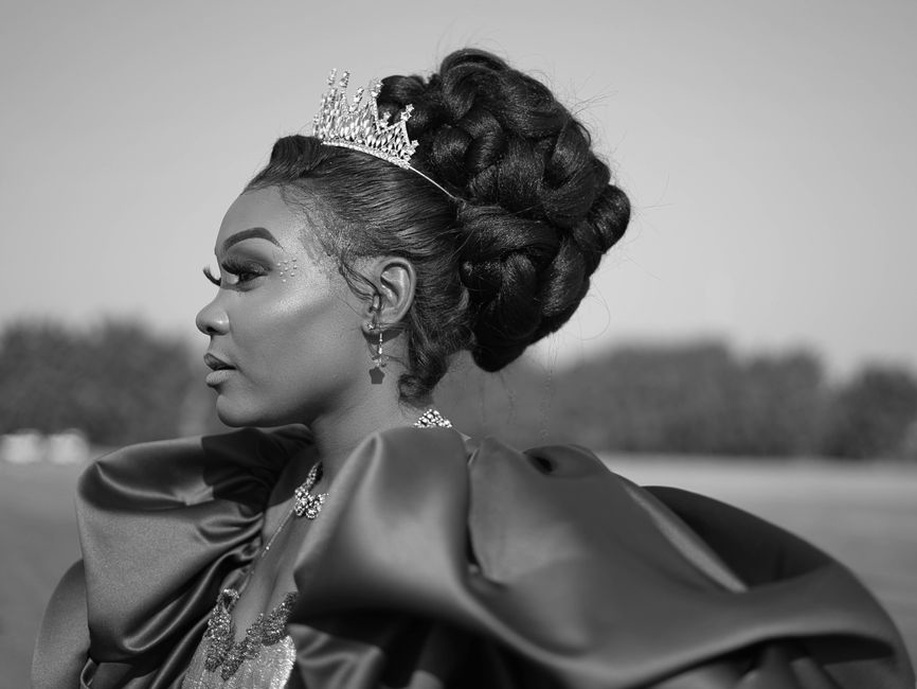
A small tiara changes the meaning of Holly Golightly’s black dress. In the opening of Breakfast at Tiffany’s (1961), it sits above a high, sculpted hairstyle, giving an early-morning pavement the air of an evening engagement. The placement is as memorable as the ornament: high enough to show against dark hair, but restrained beside the sunglasses and jewellery. That balance is more useful to borrow than the hairstyle itself.
Hepburn’s hair accessories did more than decorate. In films and photographed public appearances, they helped define a character, sharpen a silhouette or make a practical hairstyle look deliberate. It helps, though, to keep the images separate. Holly’s tiara, a ribbon worn by another film character and an accessory Hepburn chose off-screen do not tell the same story.
Why the outline matters more than the ornament
Hepburn’s short fringe and dark hair made the line around her head especially clear on screen. In Roman Holiday (1953), Princess Ann’s haircut becomes part of the story. It is not an accessory moment, but it shows why a later bow or hat could have such impact: each reads differently beside a cropped cut than it does against a tall arrangement of hair. Britannica’s account of Hepburn’s career provides the wider context for those changing screen roles.
Holly Golightly’s raised hairstyle and sparkling ornament offer the counterpoint. The outline is vertical and architectural; the decoration crowns a shape already in place. A small metal comb set low in loose hair would not have the same effect. Equally, copying the height without considering the clothes can make a quiet accessory feel like costume. The appeal is in the proportion, not one indispensable object.
Film costume is not a shopping list
Costume, hair and camera framing work together. The sparkling piece associated with Breakfast at Tiffany’s belongs to a designed film look, alongside the dress and jewellery; it is not evidence that Hepburn wore tiaras every day. Other screen looks serve their characters too. In Funny Face (1957), Jo Stockton moves between modest bookshop clothes and fashion-world makeovers. A head covering or neat hair detail can help signal that change without telling us what Hepburn habitually wore herself.
Online photographs often lose their film title, date or original caption. Before taking one as a reference for a vintage purchase, check whether it shows Hepburn in character, at a public event or in an editorial portrait. A similar-looking piece is not necessarily the same design, either. Labels such as “Audrey’s bow” and “Hepburn tiara” usually describe a look, not provenance.
Three accessory languages associated with Hepburn
Small sparkle against a clean silhouette
The Holly Golightly image shows how little sparkle is needed when the silhouette is already strong. A narrow tiara or ornamented comb has room to register against dark hair and an uncluttered neckline. You can use the contrast without recreating the costume: a crystal-set slide with a plain black dress, for instance, gives the eye one focal point.
Look closely at the construction. Vintage rhinestones may be prong-set or glued into metal, and either type can survive well. Missing stones, greenish corrosion around the settings and loose comb teeth are more pressing concerns. If an ornament is meant to sit above an updo, inspect its underside as carefully as its front. A heavy decorative top on a flimsy comb may tilt forward, however convincing it looks in a photograph.
Ribbons and bows with controlled softness
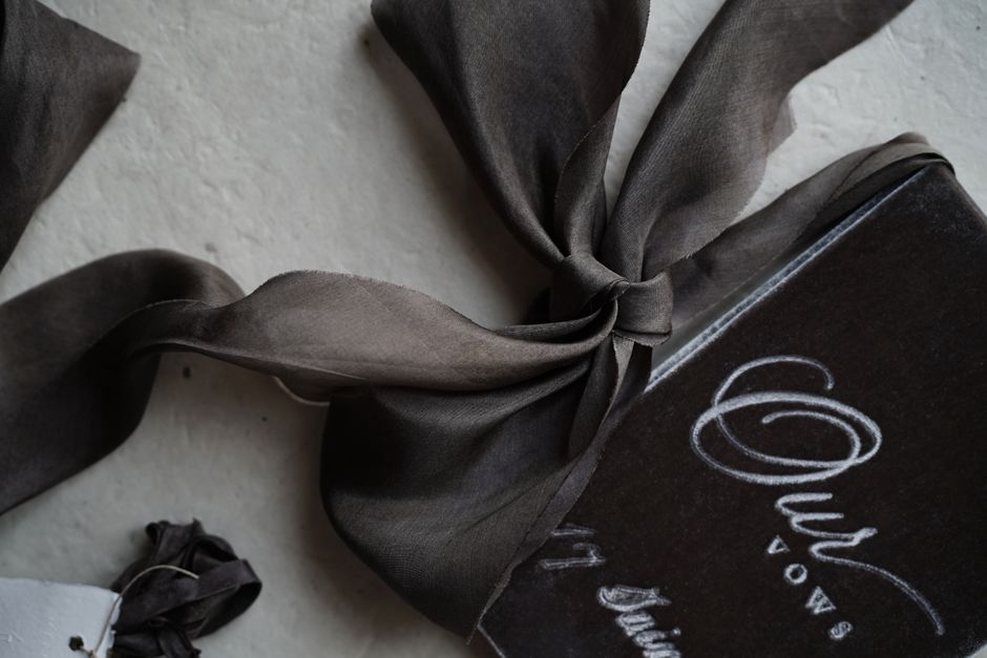
A ribbon draws a flatter, more flexible line than metalwork. Hepburn’s screen wardrobes made simple graphic details look sophisticated, but there is no single “Audrey bow” to collect. A narrow black ribbon tied close to a ponytail feels quite different from a broad bow perched above the crown. Position and scale matter more than the celebrity label.
For a nod to Hepburn’s styling, choose a ribbon modest in width relative to the hairstyle. Grosgrain holds a crisp knot and has fine ridges; velvet absorbs light and softens the edge; silk drapes beautifully but may slip on smooth hair. Those are useful material differences, not fixed rules. A bow sewn to a clip is easier to place consistently, while a separate ribbon lets you decide how long the tails should be.
Scarves as framing devices
Hepburn’s photographed style also made room for scarves and covered hair, particularly in looks that called for ease rather than jewellery-like polish. A scarf frames the face through colour and the shape of its folded edge. It need not be tied in an elaborate period style: fold a square into a triangle and tie it under the chin for a defined outline, or roll it into a narrower band for less fabric around the face.
Check vintage cloth before buying. Silk that is fraying along a fold may split further if you keep tying it firmly in the same place. Cotton or a silk blend can offer more grip; slippery woven silk may need a discreet pin or an underlying band to stay put. Avoid piercing a fragile printed area just to make the scarf wearable. If you love the pattern but the fabric is weak, gentle display may be kinder than regular tying.
How to borrow the look without dressing as a character
Start with what catches your eye: a high focal point, sharp black-and-white contrast or a tidy frame around the face. Then change at least one major element. Wear a narrow sparkly comb with a simple jumper instead of an evening dress. Tie a dark ribbon around a low ponytail rather than building a period updo. Put a patterned scarf against a modern coat with a plain collar. The reference is still there, but it is a design choice rather than a copy of the whole costume.
A small accessory may disappear against a busy print or beneath a large collar. Hold it near your outfit in daylight before doing your hair: can you still make out its outline from a few steps away? A highly reflective comb can also look louder than expected under indoor lighting. A matte bow or softly patterned scarf offers a quieter option.
- For short hair: try a narrow headband or small side slide; leave enough of the haircut visible for its shape to remain distinct.
- For a ponytail: tie the ribbon around an ordinary elastic rather than relying on the ribbon alone to hold the hair.
- For an updo: secure the hair first, then add a decorative comb where there is enough structure to support it.
- For a scarf: test the knot with your coat collar and earrings before leaving, as they can catch the fabric.
A padded band creates a stronger arch than a flat ribbon. It can give you that clear outline without pretending to replicate a particular Hepburn costume. The proportions and construction discussed in the guide to the satin padded headband can help you decide whether that silhouette works with clothes you already wear.
Choosing a vintage piece with clear eyes
“Hepburn style” is handy visual shorthand, but a poor way to date an accessory. A tiara-like comb could be mid-century, a later revival or recently made. A black velvet bow might come from any number of decades. Without documented provenance, buy for construction and condition rather than a suggested celebrity connection. A claim that Hepburn owned a particular piece needs much stronger evidence than a resemblance to a film still.
Start with the fastening. A metal slide should open and close smoothly, with no sharp edge where it meets the decorative front. Comb teeth should be aligned, without fresh-looking stress marks at their roots. Inspect both sides of older plastic under good light for cracks, discolouration and repairs. If a ribbon is attached to a barrette, check the stitches and look for marks left by the metal. A clear photograph of the underside is often more useful than a carefully styled front view.
Read material descriptions closely. “Tortoiseshell effect” may refer to the pattern on a later plastic piece, not genuine tortoiseshell; “pearl” may mean an imitation bead. Neither is necessarily a drawback. Accurate descriptions help you judge care, weight and price. Be especially wary of a supposedly film-used item with no traceable history. An accessory does not need an invented past to earn a place in your wardrobe.
Fit is a design question
A comb’s curve, tooth spacing and decorative weight all affect whether it stays where you put it. Try it in the intended position if you can, or compare its measurements with a piece you already use. With a band, notice the pressure behind your ears as well as the height of its arch above your hair; a poor fit changes the silhouette. Vintage accessories were made for different hairstyles and volumes, so a genuine period piece is not always the easiest to wear.
You need not adopt Hepburn’s fringe, face-framing style or hair texture to take something from her look. Ask instead which accessory will make a clear line on your own hairstyle. On tightly coiled hair, a ribbon tied around an existing style may show more distinctly than a fine-toothed comb. On fine, straight hair, a securely fixed slide may be simpler than a heavy crown ornament. Neither is a lesser version of the reference.
Keeping the detail in good condition
Think of an accessory’s two jobs separately: holding hair and being seen. An old comb with delicate teeth can rest over an updo supported by modern pins; it need not take the full weight. Tie a ribbon over a covered elastic, then loosen it before storage rather than leaving it knotted tight. You keep the visible shape without asking a fragile piece to do too much.
After wear, let a fabric bow or scarf air before folding it away, and keep it clear of rough metal settings. Store rhinestone pieces dry and cushioned so they cannot scrape other accessories. If a clasp is failing or a stone is loose, set the piece aside for assessment rather than forcing one more outing and risking a missing component. Vary a scarf’s fold line now and then, too, instead of creasing the same fragile strip each time.
For a restrained combination, try a plain dark dress, a low ponytail and a narrow grosgrain ribbon tied in a short bow. Leave the tails just long enough to show beside the ponytail, then check them against the back of your collar. If they catch, shorten the bow rather than tightening it around your hair.