
A Day in Pictures: Vintage Hair Accessories Through the Lens
On a grey Tuesday morning in a small antiques arcade off Portobello Road, I held a tortoiseshell hair comb that had been carved in the 1890s. The light from the shop window caught the honeyed translucence of the shell, and I could see the tiny marks of the carver's knife along the teeth. That comb, no longer than a woman's palm, is the kind of object that demands to be photographed — not to show off, but to capture the way it holds light differently from a modern plastic copy. This article is a visual notebook of such moments: a day spent looking at vintage hair accessories through the lens of a collector's eye, with practical notes on what makes each piece special and how to wear them now.
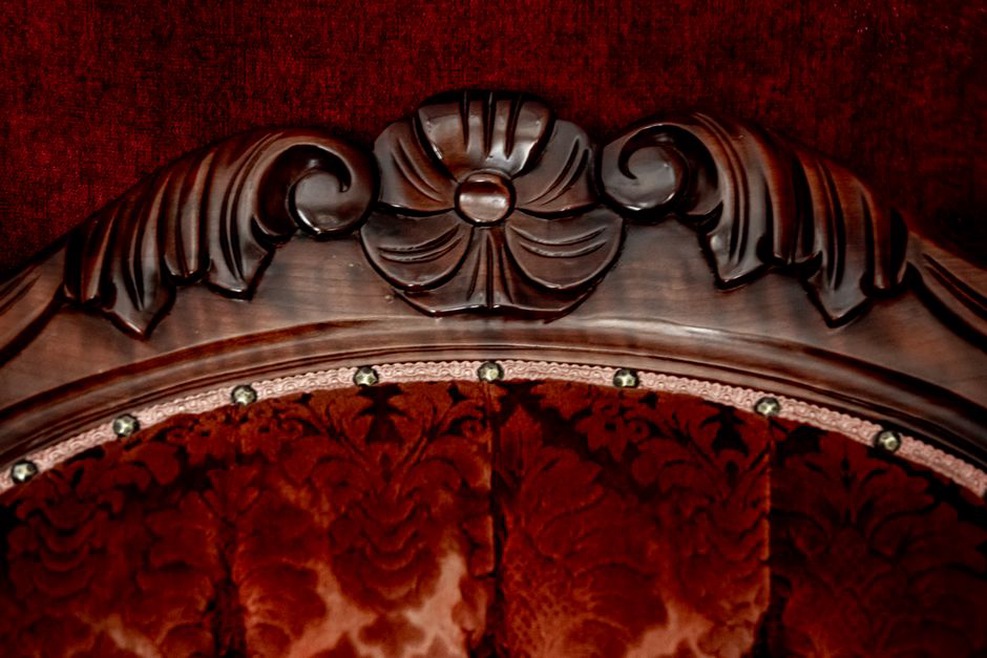
Morning Light: Edwardian Combs and Their Craftsmanship
The first picture of the day was a pair of Edwardian side combs set with tiny seed pearls. The metalwork was silver, subtly darkened in the crevices with age. On close inspection, the pearls were not drilled but held in tiny claw settings — a technique called 'collet setting' that allowed the light to pass through the stone. These combs were designed to be worn at the temples, often with a low chignon. What struck me most was the weight: less than ten grams each, yet they felt substantial in the hand. For collectors, checking the reverse of such combs is essential. Look for the hallmark stamp on the metal — a small lion passant for sterling silver, or a crown and numbers for Continental silver. Without it, you may be looking at a later reproduction with lesser materials.
Midday Finds: 1920s Bandeaus and the Art of the Headband
By noon, I had moved to a stall specialising in the Jazz Age. The standout was a velvet bandeau embroidered with glass beads in an Art Deco geometric pattern. The bandeau was originally worn across the forehead, often with a feather or a jewel at the centre. Today, such pieces can be styled as a modern headband by sliding them back a few inches from the hairline, letting the beaded section sit on top of the crown. One detail to note: the original elastic at the back of this bandeau had perished, but a seamstress replaced it with a thin black ribbon that ties discreetly. That is a common repair that does not harm the value — in fact, it shows the accessory was loved and worn.
Afternoon Tea: The Unexpected Charm of 1950s Bows
After lunch, I photographed a collection of 1950s bow clips — the kind that snap onto a metal barrette or a simple alligator clip. What differentiated them from later versions was the fabric: pure silk grosgrain, hand-stitched around a wire frame. One clip had a bow in deep burgundy with a tiny rhinestone at the centre. The stitching on the back was irregular, a sign of hand assembly. When you encounter such a bow, look at the clip itself. Vintage clips from the 1950s often have a spring that is narrower and more rounded than the flat, wide springs of the 1970s. Also, the felt pad inside the clip (if present) is usually a rough wool blend, not the smooth synthetic felt of modern accessories. To wear a 1950s bow today, pair it with a simple ponytail or a low side bun. Let the bow be the statement — the rest of the outfit should stay clean and uncluttered.
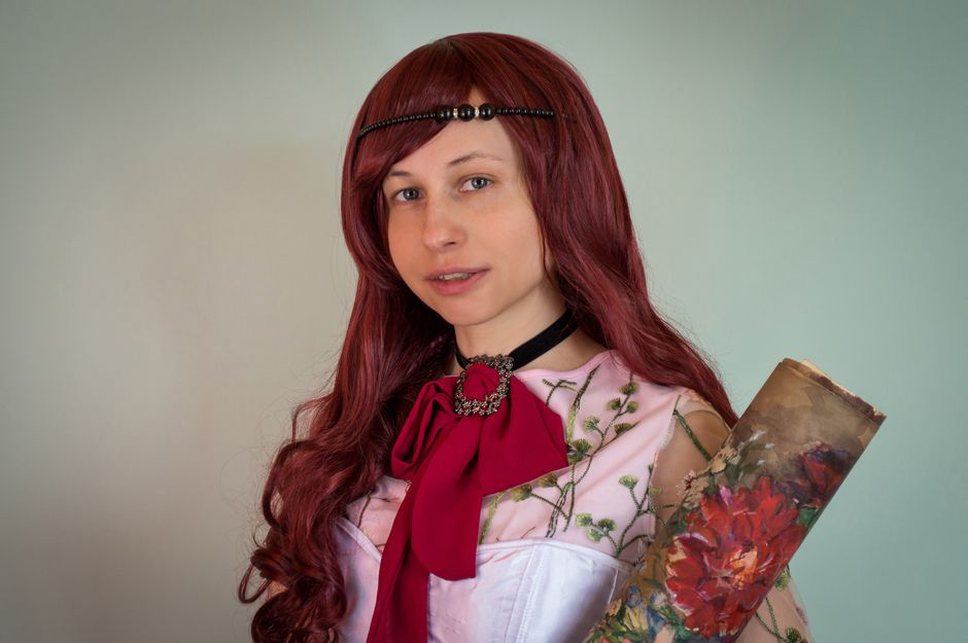
Late Afternoon: The Practicality of 1990s Butterfly Clips
Not every picture from the day was about pre-war craftsmanship. A small tray of 1990s butterfly clips caught my eye — plastic, colourful, with small metal springs. They are often dismissed as cheap, but the best examples from the 1990s were made in Japan with a flexible, durable plastic that does not become brittle over time. The wings on these clips are usually translucent, with a subtle shimmer. The trick to identifying a good one is to open and close the clip several times. If the spring resists smoothly and the teeth align perfectly, it will hold hair securely without pulling. I bought a set of eight in pastel shades for £3. They are perfect for sectioning hair when you are trying on different vintage combs and need to keep strands out of the way.
Early Evening: A Lesson in Materials and Care
The last photograph of the day was of a gilded hair clip from the 1920s, with a delicate floral repoussé pattern. The gilding was worn on the highest points of the relief, revealing a coppery base underneath. That is not a flaw — it is a sign of age and use. To preserve such a piece, never store it with other metal accessories that could scratch the surface. Wrap it in acid-free tissue paper or place it in a soft pouch. If the gilding is flaking, do not attempt to polish it; leave it to a professional conservator. A simple wipe with a dry, lint-free cloth after each wear is enough to remove oils from your skin. The clip was priced at £45, which for a piece of that quality and age is a fair investment. I left it in the shop, but I took a picture — and that picture is now a reminder of the kind of patient hunting that makes vintage collecting so rewarding.