
The Underpaid Scrunchie: A 1990s British Fashion Relic
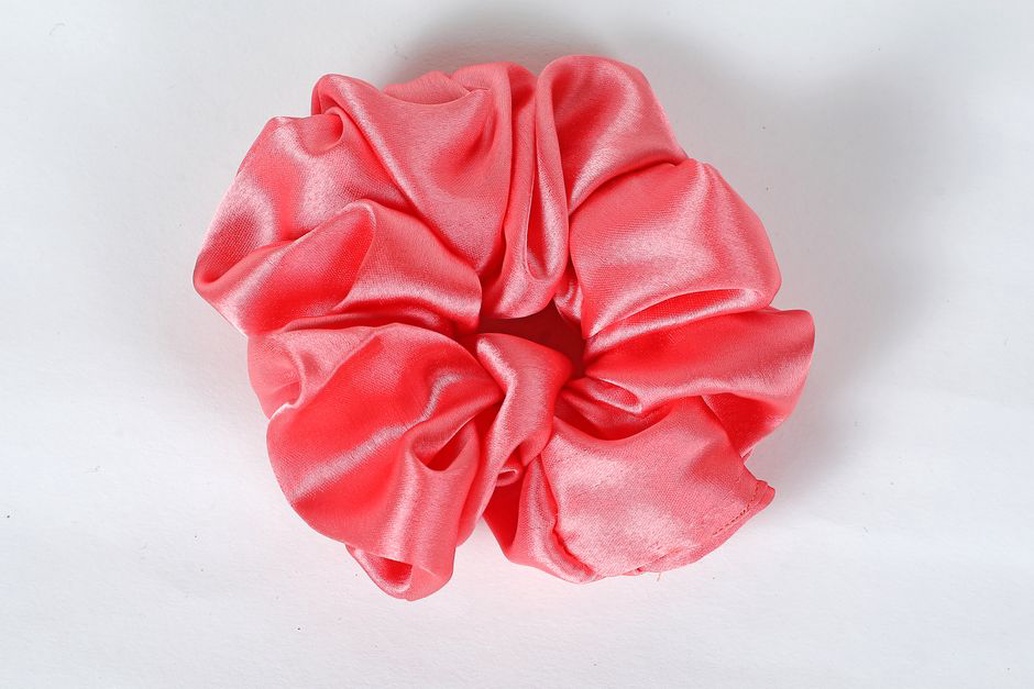
The Store P636 Maison Archives oversized and underpaid scrunchie is a peculiar artifact from late-1990s British fashion. Its name—"underpaid"—raises eyebrows, but the piece itself is anything but cheap. Made from heavy silk charmeuse or plush velvet, cut on the bias, it was designed to look far more expensive than its original price tag. And oversized it is: a puff of fabric that, when worn, makes a deliberate, joyful statement.
What Makes the P636 Scrunchie a Collector’s Piece?
At first glance, this scrunchie may resemble the countless fabric scrunchies that flooded British high streets during the 1990s. But closer inspection reveals details that lift it above the ordinary. The fabric—often a heavy silk charmeuse or a plush velvet—is cut on the bias to allow a soft drape, and the internal elastic is double-stitched to prevent twisting. The “underpaid” label inside the seam is a tiny woven tag, not a printed one, a sign of quality production that ignored cost-cutting shortcuts. The oversized silhouette (the gathered band itself measures nearly 15 centimetres across when relaxed) was a deliberate rebellion against the sleek, slicked-back styles that dominated late-1990s editorial fashion.
Material and Construction: Why It Lasts
Many vintage scrunchies from the same period have not survived well. The elastic perishes, the fabric frayes, or the gathers collapse into a sad, wrinkled ribbon. The P636, however, was built to outlive its era. The outer fabric is finished with a rolled hem rather than a folded one—a technique that requires skill and adds durability. Inside, the elastic is encased in a bias-cut cotton sleeve, so even if the rubber eventually gives, the scrunchie retains its shape longer. This level of craftsmanship is rare in mass-produced hair accessories, making the P636 a worthy addition to any vintage collection.
If you are drawn to the tactile richness of mid-century accessories, you might also appreciate the velvet texture of the P294 Velvet Crown Headband. Both pieces share a devotion to fabric quality, though the scrunchie’s casual flexibility feels entirely modern.
Styling the Oversized Scrunchie for a Modern Wardrobe
The beauty of an oversized scrunchie lies in its versatility. It can be the anchor of a deliberately low-effort look or a pop of colour against a neutral outfit. Try these four ways to incorporate the P636 without looking like you are wearing a costume:
- The high ponytail, loosened. Gather your hair as high as you like, wrap the scrunchie around twice (the oversize fabric will still fluff), then gently pull a few strands at the crown to soften the silhouette. This works especially well with a silk scrunchie against a crisp white shirt.
- The half-up twist. Take a section from each temple, twist them together at the back, and secure with the scrunchie. The remaining hair falls freely, creating a look that is both romantic and undone.
- The wrist stacker. Do not limit the scrunchie to hair. Wear it around your wrist as a discreet nod to its 1990s roots. Layering two or three vintage scrunchies—different fabrics, similar colours—adds a subtle textural interest.
- The low bun, tucked. For a sleeker evening look, twist your hair into a low bun, wrap the scrunchie around the base, then tuck the ends of the fabric under the elastic so only the gathered “flower” shows. The oversized puff becomes a sculptural accessory reminiscent of a Victorian hair cushion.

Pairing with Other Vintage Accessories
Because the P636 scrunchie is bold in volume, it pairs best with streamlined earrings or a simple necklace. A barrette with a delicate design, like the P334 Pebble Barrette, can be worn as a secondary accent on the opposite side of the head without competing. The scrunchie takes centre stage; let it.
Selecting and Caring for Your Vintage Scrunchie
When shopping for a vintage scrunchie like the P636, examine three things: the elastic, the fabric, and the seam. Gently stretch the band—if the elastic feels crunchy or has lost its snap, it will need replacing. However, do not reject a scrunchie solely for tired elastic; a skilled seamstress can replace it while preserving the original fabric. The fabric itself should be free of major stains or tears, though minor discolouration can often be lifted with a gentle hand-wash in cool water and a mild detergent designed for silks. Never wring or scrub; swirl the scrunchie in the water, rinse, and lay it flat on a towel to dry away from direct heat.
Storage matters. Scrunchies that are left stretched over thick hangers or tossed into a drawer lose their shape. Instead, loop them loosely and store them in a compartmented jewellery box or a small fabric pouch. If you have a collection of vintage accessories that require careful preservation, the principles discussed in How to Store Vintage Salvatore Ferragamo p26 Pumps—cool, dry, away from sunlight—apply equally to fabric hair accessories.
A Note on the “Underpaid” Name
The phrase “underpaid” on the original label has sparked friendly debate among collectors. Some believe it refers to the low retail price of the scrunchie relative to its quality. Others think it was a sly comment on how undervalued hair accessories were in the fashion ecosystem of the time. Maison Archives, a small British atelier active only from 1995 to 2002, had a habit of giving its pieces ironic names. The “underpaid” scrunchie might have been their way of saying that the person who bought it got more than they paid for. Whatever the intent, the name adds a layer of storytelling that makes the P636 more than just a fabric circle.
The “underpaid” label inside the seam is a tiny woven tag, a reminder that Maison Archives never cut corners. If you find one at a vintage fair, check the elastic first—but don’t walk away if it’s tired. A good seamstress can give it new life, and you’ll own a piece of fashion history that refuses to be minimal.