
The Checkerboard Claw Clip: A Vintage Icon for Modern Hair
The checkerboard pattern – chequer in British English – has deep roots in fashion. It appeared on the black-and-white tiles of 1960s Mod boutiques and later on punk-era safety pins and tartans. When this graphic motif is printed on a black claw clip, it becomes a wearable piece of that history. The store p597 chequer checkerboard claw black is a clear example of how a simple accessory can carry decades of cultural resonance. Its compact silhouette and striking pattern make it both a nostalgic find and a surprisingly versatile companion for today's wardrobe.
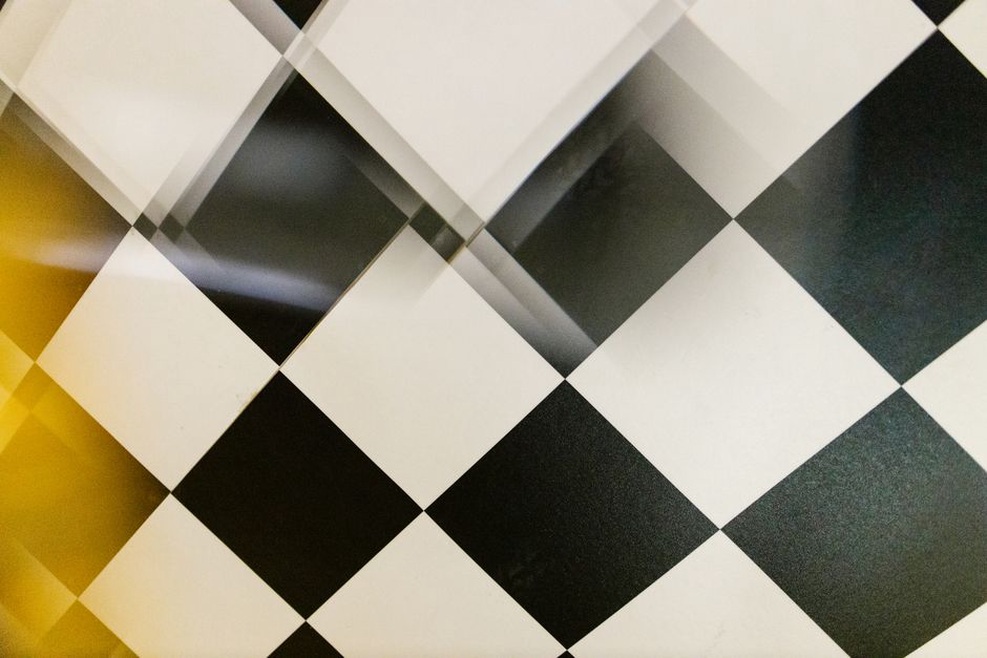
The History of the Checkerboard Motif in Hair Accessories
The chequer pattern entered mainstream fashion through the mod subculture of the 1960s, where black-and-white flooring in boutiques like Mary Quant's Bazaar became visual shorthand for youthful rebellion. Hair accessories of the era – headbands, scrunchies, and small barrettes – occasionally adopted the pattern, but the classic claw clip as we know it did not yet exist. It was not until the 1980s and especially the 1990s that claw clips exploded in popularity, coinciding with the rise of minimalist grunge and the revival of checkerboard prints in skate and punk culture. Brands such as Jane Tran and Scünci produced colourful plastic claw clips, but the black-and-white chequer variant remained a niche favourite among those who craved a subtle nod to mod or a bold statement in line with the decade's love for graphic contrast.
For collectors, the store p597 chequer checkerboard claw black represents a moment when function and pattern intersected. Unlike the more common tortoiseshell or solid black clips, the chequer pattern is less frequently encountered, making it a worthwhile addition to a carefully chosen vintage hair accessory collection. The pattern is typically applied as a printed overlay on a black resin base, or occasionally inlaid, and the quality of the print can vary between manufacturers. Early examples from the 1990s often show a slightly raised texture where the white squares were screen-printed, while later versions may use a smoother transfer technique.
The Claw Clip: A Design Icon
The claw clip mechanism – a spring-loaded hinged grip with interlocking teeth – was patented in the late 1970s and became a staple of the 1980s and 1990s. Its genius lies in its ability to hold thick or fine hair securely without the need for pins or elastics. The store p597 variant uses a standard claw size (approximately 8–10 cm in length), making it suitable for medium to long hair. The black base colour minimises visible wear, while the white or cream chequer squares add visual interest. When examining a vintage claw clip, pay attention to the hinge tension: a loose clip will slip, while an overly stiff one may snap the plastic. The teeth should be evenly spaced and free of cracks.
For those interested in the broader evolution of vintage hair accessories, our guide to the Darcy Barrette from Store P287 offers a detailed look at the design principles of mid-century barrettes, which share the same attention to material and construction that collectors value in claw clips.
- Material: Most vintage chequer claw clips are made from injected resin or acetate. The black base is usually a solid colour, while the white squares are applied.
- Size: Standard claw length is around 8 cm; some mini versions exist for partial updos.
- Condition: Look for sharp, unfaded squares and a spring that opens and closes smoothly.

Styling the Chequer Claw Clip for Modern Wardrobes
The beauty of the black chequer claw clip is its neutrality and its edge. Because the pattern is monochrome, it pairs effortlessly with both casual and structured outfits. Here are three ways to incorporate it into a contemporary look:
- The Low Twist: Gather hair at the nape of the neck, twist into a loose coil, and secure with the clip. This works especially well with a crewneck jumper or a crisp white shirt – the pattern adds a graphic punctuation without overwhelming the silhouette.
- The Half-Up Crown: Section the top half of the hair, twist slightly, and clip at the crown. This style frames the face and shows off the chequer pattern against darker or lighter hair.
- The Side Sweep: Sweep hair to one side, twist into a low side knot, and clip diagonally. This creates a 1990s-inspired asymmetry that feels fresh when paired with a leather jacket or a tailored blazer.
For a more refined look, combine the chequer claw with a simple velvet ribbon or a silk scarf tied around the base of the clip. The contrast of textures – smooth resin against soft fabric – echoes the playful juxtaposition that defines vintage-inspired dressing.
Caring for Your Vintage Claw Clip
Vintage resin and acetate clips require gentle handling to preserve both their colour and their structural integrity. The printed chequer pattern is particularly vulnerable to rubbing and heat. Follow these practical tips to keep your store p597 chequer checkerboard claw black in prime condition:
- Cleaning: Wipe with a soft, slightly damp cloth. Avoid soaking the clip, as water can seep into the hinge and cause rust or swelling. For stubborn dirt, use a drop of mild soap on a cotton bud.
- Storage: Keep the clip in a padded pouch or a lined jewellery box, away from direct sunlight. Prolonged UV exposure can fade the white squares to a yellowish tone.
- Hinge maintenance: If the spring becomes stiff, apply a tiny amount of silicone-based lubricant (not oil, which can stain the resin) to the hinge joint. Open and close the clip several times to distribute the lubricant.
- Avoid heat: Do not leave the clip near radiators, hairdryers, or in a hot car. Heat can warp the plastic and cause the printed pattern to peel.
When storing your vintage claw clip, wrap it in a soft cloth to prevent scratches – a simple habit that will keep the chequer pattern crisp for years to come.