
Decoding the Store P398 Pompom Beanie
Decoding the Store P398 Pompom Beanie
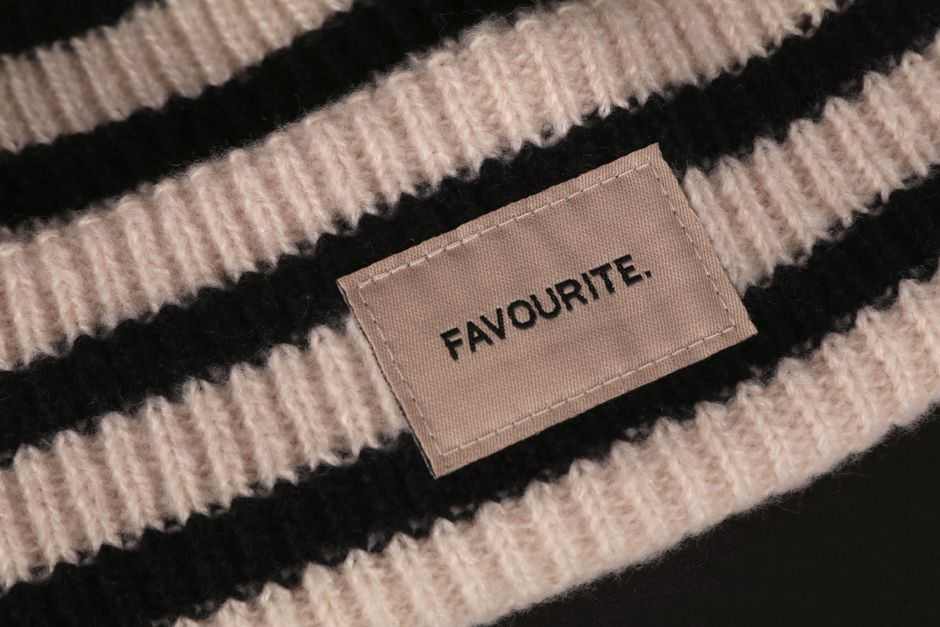
The small woven label inside the crown tells you everything: “Store P398” in black thread on a cream ground, often with a faded Union Jack stamp. That’s the hallmark of a British-made pompom beanie from the late 1960s to early 1970s. Unlike the mass-produced beanies you see today, the P398 was assembled in small runs. Each pompom was hand-tied and trimmed to a perfect sphere. The code itself—P398—was a stock number used by a now-defunct wholesale milliner based in the Midlands, a region once famous for its hatting industry.
Materials and Construction
Authentic P398 beanies are almost exclusively knitted from worsted wool, occasionally blended with a small percentage of nylon for shape retention. The wool is tightly spun, giving the fabric a crisp hand that softens with wear. The pompom itself is the star: made from a separate bundle of yarn, wound around a cardboard template, then snipped and fluffed. Early examples used a natural wool pompom; later ones (post-1972) sometimes substituted acrylic for easier care. The band inside the beanie is a folded strip of the same knit, sewn with a chain stitch—a detail that tells you it was made on a domestic machine, not an industrial flatbed.
Identifying a Genuine P398
- Label: Look for the square woven label with “Store P398” and no other text. Fakes often omit the Union Jack or use a printed label.
- Pompom attachment: The pompom is secured by a single thread that passes through the crown and is knotted inside. You can feel the knot if you turn the beanie inside out.
- Ribbing: The brim has a 2×2 rib that measures exactly 4 cm deep. Any variation suggests a later reproduction.
- Weight: A genuine wool P398 weighs around 110 grams—lighter than modern acrylic beanies, which feel denser.

The P398 in British Fashion History
In the late 1960s, the pompom beanie crossed over from practical winter headwear to a style statement. It was adopted by the Biba and Mary Quant crowds as a playful counterpoint to the severe geometric haircuts of the era. Schoolgirls wore them with duffle coats; mods paired them with parkas. The P398 was also a favourite of the emerging ski-fashion trend—British holidaymakers in the Alps brought back the look, and the Midlands factories obliged with homegrown versions. By the mid-1970s, the beanie had become a unisex staple, often seen on both men and women at football matches and music festivals.
If the pompom beanie's playful spirit appeals to you, the Beret Love hair clip offers a similar vintage charm—a mid-century accessory that adds whimsy to any outfit.
Styling the P398 Today
The beauty of the Store P398 is its versatility. Because the wool is matte and the pompom is soft, it doesn’t compete with other accessories. Try it with a modern trench coat and wide-leg trousers for a 1970s-inflected look. Or wear it with a chunky cardigan and a silk scarf tied under the chin—an outfit that nods to the beanie’s schoolgirl origins without feeling costume-y. For a more polished approach, tuck your hair behind your ears and let the pompom sit slightly off-centre; this works especially well with a side part.
Pairing with Hair Accessories
Because the beanie covers most of the crown, hair accessories should be kept minimal. A single faux pearl barrette at the temple adds a touch of elegance without bulk. Alternatively, a thin velvet headband worn underneath the beanie can peek out at the forehead—a trick borrowed from 1960s French fashion.
Care and Preservation
Wool requires gentle handling. Never machine-wash a P398; the agitation will felt the fibres and distort the shape. Instead, hand-wash in cool water with a mild wool detergent (lanolin-based is best). Submerge the beanie and gently squeeze—do not rub. Rinse in the same temperature water to avoid shock. Roll the beanie in a towel to remove excess moisture, then reshape it flat on a drying rack away from direct heat. The pompom will need extra attention: after washing, fluff it with your fingers or a wide-tooth comb. If the yarn has relaxed, you can retrim the pompom with sharp scissors—just go slowly, cutting only the longest strands.
| Step | Do | Don’t |
|---|---|---|
| Washing | Hand-wash in cool water with wool detergent | Machine-wash or use hot water |
| Drying | Roll in towel, reshape flat | Hang or wring out |
| Pompom | Fluff with fingers; trim sparingly | Cut too close to the centre knot |
| Storage | Store flat in a breathable bag | Fold under heavy items |
Where to Find a P398
Because the P398 was a stock code used by a single wholesaler, surviving examples are relatively scarce. Charity shops in the Midlands and online vintage platforms occasionally list them, but you’ll need patience. Search for “vintage wool beanie union jack label” or simply “Store P398 beanie”. The price typically ranges from £15 to £40 depending on condition. Avoid any beanie with a missing pompom—replacing it is possible but requires matching the yarn colour and weight, which is tricky with aged wool.
One final detail: the P398 was also produced in a child’s size, marked with a “C” after the number. These smaller beanies are rarer and often more colourful (pink, mustard, and mint green). They make charming collector’s items, though the fit may be too snug for most adults—unless you have a very small head.