
The Classic Velvet Braided Headband: A Vintage Collector’s Guide
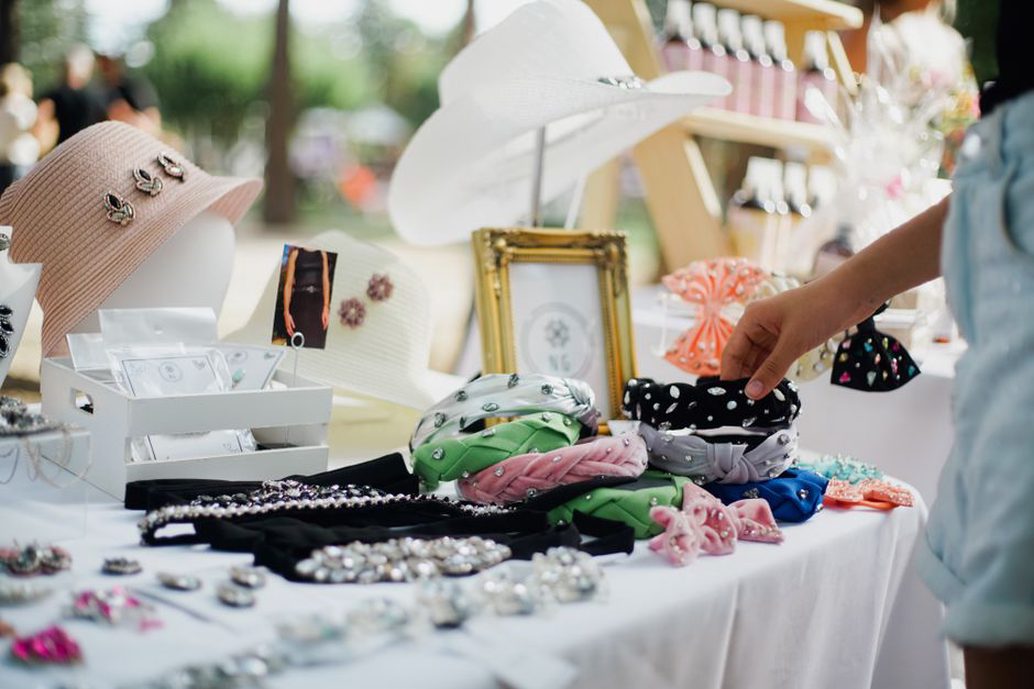
A velvet braided headband is defined by its construction: strips of velvet fabric twisted or plaited together to form a continuous, softly padded ring. Unlike rigid metal or plastic headbands, this type drapes comfortably over the crown and sits just behind the ears, making it a favourite for women who wanted both ornament and ease in the 1920s and 1930s. The braided technique creates a textured, almost rope-like appearance, and the nap of the velvet catches light differently on each twist — an effect that photographs beautifully and feels wonderfully tactile.
In the vintage marketplace, these headbands often turn up under catalog numbers like Store P380, a code that suggests a specific British manufacturer's line from the mid-20th century. Whether you have inherited one from a grandmother or discovered it at a car boot sale, understanding its origins, materials, and proper care will help you wear it with confidence and preserve it for years.
A Brief History of the Braided Velvet Headband
1920s: The Flapper's Friend
The braided velvet headband rose to prominence during the Jazz Age, when bobbed hair and drop-waist dresses called for accessories that sat low on the forehead. Early versions were often handcrafted at home or by small millinery workshops. They were made from silk velvet in deep burgundy, forest green, or midnight blue, and sometimes finished with a small velvet rose or a metal buckle at the centre front. The braiding technique gave the headband enough structure to stay in place without pins, yet it remained soft enough to pack flat in a handbag.
1930s–1940s: Utility and Romance
During the Depression and wartime, resourcefulness shaped millinery. Velvet was still available, but trims became simpler. Braided headbands were often cut from cotton velvet (more affordable than silk) and sewn over a tubular core of wool felt or thin rope. In the 1940s, women wore them to keep hair off the face while working in factories or tending victory gardens, then kept them on for evening dances. The same headband could transition from day to night simply by changing the hairstyle beneath it.
1990s Revival: Grunge Meets Grandmillennial
By the 1990s, vintage fashion was thriving, and the velvet braided headband returned as a staple for both bohemian and grunge wardrobes. Paired with slip dresses, chunky cardigans, or plaid shirts, it offered an instant dose of retro charm. Collectors began seeking out original 1920s and 1930s examples, and small British brands started reproducing them using traditional techniques. That era created the pipeline through which many of today's vintage finds entered the second-hand market.
Materials and Construction
Authentic vintage braided headbands fall into three broad categories by material:
- Silk velvet — The most prized. It has a dense, reflective pile and feels sumptuous. Usually found on higher-end pieces from the 1920s. Look for a smooth, lustrous surface; if the pile flattens or shows wear, it may be genuine with age.
- Cotton velvet — Softer and slightly less shiny than silk. Common for everyday headbands of the 1930s–1950s. It ages well and can be gently cleaned more safely than silk.
- Viscose or rayon velvet — Introduced later in the 20th century. It drapes beautifully but can be less durable. Many 1990s reproductions used this material. It tends to crease and lose its nap over time.
The braiding itself is typically a three-strand plait sewn together at the ends to form a loop. Inside, some headbands contain a thin strip of buckram or millinery wire to maintain shape; others are purely fabric. The seams are hidden under a small fabric patch or a decorative bow at the back, which also allows for minor size adjustments.
Iconic Silhouettes Through the Decades
While the braided headband is a simple form, its styling has shifted with each era:
- 1920s: Worn low on the forehead, often with a single central ornament (a jewel, a flower, or a metal bar). The braids were thick and wide — sometimes 2 cm across.
- 1930s: Thinner braids (about 1 cm), worn higher on the head to accommodate longer, waved hair. Often paired with a side-swept wave.
- 1940s: Medium width, worn just behind the hairline to secure rolls or pin curls. Sometimes two braided headbands were worn together for a dramatic look.
- 1990s: Loose, slightly messy braids, sometimes with velvet ends left untucked. Worn pushed back from the face, even over centre-parted straight hair.
Pairing a Velvet Braided Headband with a Modern Wardrobe

The beauty of this accessory is its neutrality. The braided texture blends well with both casual and dressy outfits. Here are a few practical combinations:
- Daytime casual: Choose a headband in dusty rose, olive, or navy. Wear it with a fine-knit jumper, straight-leg trousers, and loafers. The velvet adds warmth without looking too formal.
- Office-appropriate: A dark brown or charcoal braided headband works with a crisp white blouse and a tailored blazer. Keep the hairstyle low — a low ponytail or a simple chignon — so the headband stays visible.
- Evening elegance: Black silk velvet with a subtle sheen pairs beautifully with a velvet midi dress or a silk camisole. Add pearl studs (not a necklace, to keep the focus on the headband).
- Bohemian edge: Layer a thin braided headband over loose waves, and add a long pendant necklace and suede ankle boots. This works especially well with autumn tones like rust and mustard.
Note that the headband should never be too tight — it should rest comfortably without leaving marks on your temples. If a vintage piece feels snug, you can slightly moisten the fabric and ease it over a rounded form (like a small jar) to stretch it a few millimetres.
How to Identify a Genuine Vintage Velvet Braided Headband
Reproductions are common, but a few clues help you spot the real thing:
- Thread and stitching: Vintage headbands often have hand-stitched seams with slightly irregular, thinner thread. Machine stitching is more uniform and usually indicates a later product.
- Labels: British-made pieces from the 1940s–1960s sometimes have a small fabric label sewn into the interior band. Labels reading "Made in England" or "British Manufacture" are good signs.
- Wear pattern: Genuine vintage shows gentle wear at the edges of the braid, a slight softening of the pile where it touched the hair, and sometimes a faint scent of old perfume or cedar.
- Colour: Many synthetic dyes from the 1920s–1940s have shifted to warmer tones over time. A deep burgundy may appear slightly brownish, while navy may take on a greenish cast. This is normal and desirable for collectors.
Bereavement and Care: Keeping Your Braided Headband Beautiful
Velvet is notoriously delicate, but with the right methods you can extend the life of a vintage headband by decades.
Cleaning
Never submerge a velvet headband in water. Instead, use a handheld fabric steamer held at least 15 cm away to refresh the pile and remove odours. For small stains, dab (never rub) with a clean white cloth barely dampened with cold water and a drop of mild soap (like pure soap flakes). Test on an inconspicuous area first. Cotton velvet can sometimes tolerate a very gentle hand wash in cold water with a wool-safe detergent, but only if the headband has no interior wire or cardboard.
Storage
Store braided headbands flat in a drawer or box, not hanging (which can stretch the elastic or distort the braid). Line the container with acid-free tissue paper. If you have several, keep them separated — velvet against velvet can cause crushing and a loss of nap. A light dusting of talcum powder (left for a few hours then brushed off) can help absorb oils from the hair, but avoid frequent use as the powder can settle in the fibres.
Restoring the Nap
If the velvet pile has flattened, gently steam the headband and then brush it lightly with a very soft toothbrush in the direction of the nap. Work slowly; you will see the colour deepen as the fibres lift. Never use heat from an iron directly on velvet — it will permanently crush the pile.
A Final Practical Note
When shopping for a vintage velvet braided headband, hold the piece up to natural light and rotate it slowly. Look for areas where the braid has come unstitched or where the velvet has thinned at the fold points (usually behind the ears and at the centre back). A skilled seamstress can restitch a loose braid in under twenty minutes, so do not discard a headband with minor thread breaks. The real value lies in the fabric and the original handwork, which modern manufacturing rarely replicates.
If you find an unmarked example but the velvet is clearly silk, the colour is deep and uneven, and the braiding is tight with tiny hand stitches, you have likely unearthed a piece from the 1920s or 1930s. Treat it with the respect it deserves — and wear it proudly, whether you are attending a vintage fair or simply adding a dash of history to your Monday morning commute.