
Bringing Home the Silverbalenciaga Way: Vintage Hair Accessories with Metallic Grace
Silver-toned hair accessories have a particular magnetism. Think of a 1950s French comb with a brushed silver finish, or a slender Edwardian hairpin with a delicate silver flower. The term silverbalenciaga is not a brand or a specific maker; it is a way of seeing – a lens through which we curate vintage hair accessories that combine the cool, reflective quality of silver with the architectural elegance that Cristóbal Balenciaga championed in mid-century fashion. Balenciaga’s silhouettes were clean, sculptural, and often dramatic. When applied to hair accessories, the same principles favour pieces with strong lines, minimal ornament, and a metallic finish that catches light without overwhelming the wearer.
This approach is not about chasing a single decade. A silverbalenciaga collection might include a 1920s silver-plated bandeau, a 1940s sterling hair slide with a geometric motif, or a 1960s aluminium hair crescent that echoes the space-age modernism of the era. The unifying thread is the material – silver or silver-toned metal – and the restraint in design. These are pieces that speak through shape and reflection, not through excessive gemstones or busy filigree.
What Exactly Is the Silverbalenciaga Way?
The phrase itself emerged from a personal collecting practice: bringing home only those vintage hair accessories that feel both silver (in colour or actual metal) and Balenciaga (in spirit). It is a filter that helps avoid impulse buys and builds a coherent, meaningful collection. For the British vintage enthusiast, this often means seeking out pieces made in Sheffield or Birmingham – cities with long histories of silver craftsmanship – or continental imports from France and Italy that carry the refined minimalism Balenciaga himself favoured.
A silverbalenciaga piece is not necessarily stamped with a hallmark. It might be silvered celluloid from the 1930s, which mimics the gleam of metal while being lightweight and comfortable. Or it could be a brushed aluminium hair clip from the 1950s, designed to be seen but not shouted. The key is to ask: does this accessory have the clean silhouette and subtle metallic presence that would complement a Balenciaga coat or a simple cashmere jumper? If yes, it belongs in the collection.
Sourcing Silver-Toned Vintage Hair Accessories
Finding authentic pieces requires patience and a good eye. British charity shops, antiques centres, and online marketplaces are the usual hunting grounds. Look for:
- Hallmarks and stamps – Sterling silver marks (lion passant, anchor, date letter) are a reliable indicator. Even if the piece is worn, the stamp often survives on the back of a comb or the inside of a slide.
- Patina – Genuine silver develops a warm, subtle tarnish over time. Silver plate may show brass peeping through, but that is not necessarily a flaw; it tells the object’s story.
- Construction quality – Balenciaga-inspired pieces usually have solid joins, smooth edges, and a sense of intentional weight. Avoid anything that feels flimsy or has sharp, unfinished edges.
- Design restraint – The piece should have a clear, recognisable shape – a crescent, a rectangle, a curve – without excessive decoration. Less is more.
One practical tip: bring a small magnet when shopping. Silver and silver plate are non-magnetic, so a quick test can help distinguish them from base metals with a silver-coloured coating. This is especially useful for unmarked pieces where the material is uncertain.
Materials That Define the Look
The silverbalenciaga aesthetic embraces several materials, each with its own character:
| Material | Era | Characteristics |
|---|---|---|
| Sterling silver | Edwardian to 1950s | Warm patina, substantial weight, often hallmarked. Ideal for combs and hair slides. |
| Silver plate | 1920s–1940s | Bright finish, lighter weight. Can be re-plated if worn, but original patina is preferred. |
| Silvered celluloid | 1930s–1940s | Light, comfortable, mimics metal. Prone to cracking; store away from heat. |
| Aluminium (brushed or polished) | 1950s–1960s | Matte or shiny, very light, modern feel. Often anodised to prevent oxidation. |
| German silver (nickel silver) | Late 19th – early 20th c. | No actual silver, but a grey-white alloy that takes a high polish. Used in many Victorian and Edwardian hair ornaments. |
Each material requires a slightly different approach to care. Sterling silver benefits from occasional polishing with a soft cloth, while aluminium should only be wiped with a damp cloth to avoid scratching. Celluloid is best left untouched except for gentle dusting.
Styling Silver Accessories with a Modern Wardrobe
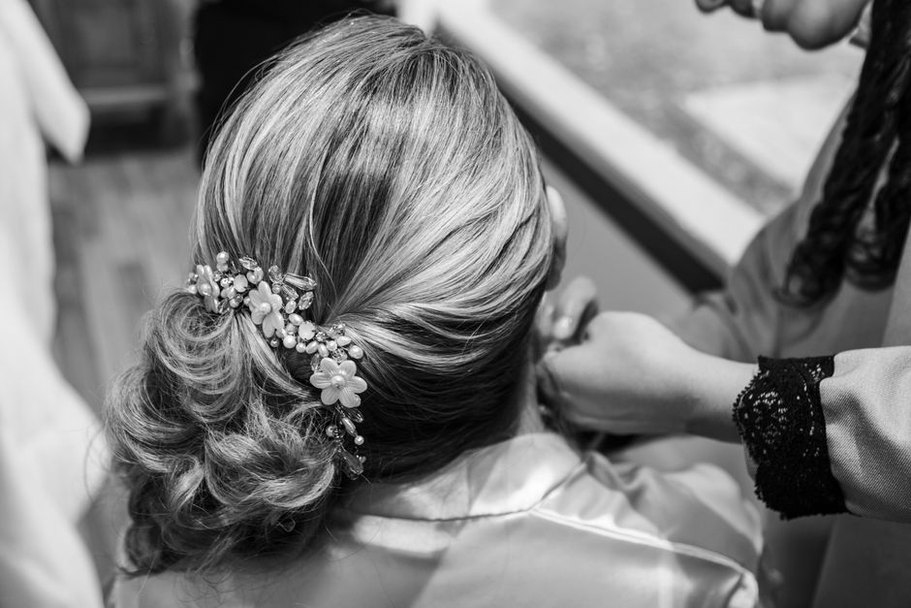
The beauty of the silverbalenciaga way is its versatility. A vintage silver hair crescent can anchor a messy low bun for a daytime meeting, or a pair of silver hairpins can add a subtle gleam to a simple ponytail for evening. The key is to let the accessory be the focal point. Because silver is neutral in colour, it works with any palette – black, navy, cream, or even bold jewel tones.
For a truly modern interpretation, pair a 1950s silver comb with a contemporary oversized blazer and straight-leg jeans. The contrast between the vintage object and the clean, modern lines of the clothing echoes the Balenciaga principle of juxtaposing structure with ease. Alternatively, use a silver slide to secure a silk scarf at the nape of the neck – a trick that combines two vintage elements in one fresh look.
As explored in the October 2017 archive, the quiet joy of vintage hair accessories often lies in the unexpected details. A silverbalenciaga piece, with its understated brilliance, exemplifies that quiet joy perfectly.
Caring for Your Silver Heirlooms
To keep silver-toned accessories in good condition, avoid harsh chemicals and ultrasonic cleaners. For sterling silver, a gentle wipe with a dedicated silver cloth (impregnated with anti-tarnish agents) is enough to restore shine. For silver plate, use a soft, dry cloth – polishing too aggressively can remove the thin layer of silver. Never immerse celluloid or aluminium in water.
Store each piece separately in a soft pouch or a compartmented box to prevent scratching. Anti-tarnish strips inside a jewellery box can help slow tarnishing for silver items. If a piece has a strong, dark tarnish that you wish to remove, a paste of baking soda and water applied with a soft toothbrush can be effective for sterling silver, but test on an inconspicuous area first. For celluloid, leave the patina alone – it is part of the object’s history and often enhances the silvered effect.
Next time you visit a vintage fair, bring a small magnifying glass to inspect silver marks on the back of a comb – it might reveal a maker's stamp from a long-forgotten Birmingham silversmith. That single detail can transform a pretty accessory into a documented piece of British craftsmanship, and that is the heart of the silverbalenciaga way.