
Woodstock Hair Accessories: What Was Actually Worn and How to Spot the Real Thing
When the rain fell on Max Yasgur's farm in August 1969, it soaked denim, muddied bare feet, and turned long hair into tangled ropes. For the half a million people who stood in that field, a hair accessory was not a decorative afterthought — it was a necessity. A single leather headband could keep vision clear during a three-day set. A silk scarf tied around a ponytail could double as a dust mask when the wind picked up. The products that emerged from Woodstock were not designed for a catwalk; they were forged by mud, music, and communal survival.
Yet those same practical objects became the visual shorthand for an entire cultural shift. The headbands, ribbons, and floral clips worn at Woodstock were later copied by high-street boutiques in London, reinterpreted by British designers, and eventually collected by vintage enthusiasts who never saw the original festival. Understanding what was actually used — and why — helps a modern collector separate authentic period pieces from later reproductions.
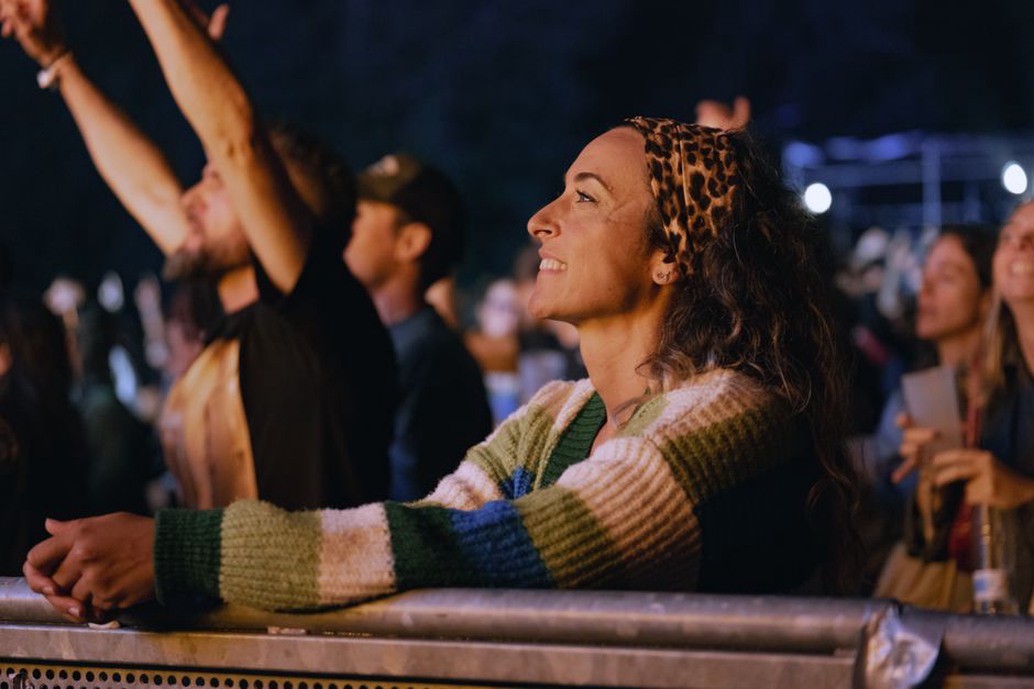
What Was Actually Worn at Woodstock
The most iconic hair accessory of the festival was the leather or suede headband, often braided or stamped with geometric patterns. These were not mass-produced. Many were handmade by Native American artisans or by festival-goers themselves, using strips of leather bought at trading posts along the way. The headband served a practical purpose: it kept hair off the face during long hours outdoors, absorbed sweat, and held back the chaos of unwashed curls.
Next came the bandana — a simple square of cotton or silk, folded into a triangle and tied at the nape of the neck or wrapped around the forehead like a sweatband. Red, blue, and paisley prints were common. The bandana was cheap, easy to wash in a stream, and could be repurposed as a handkerchief or a makeshift bag. Vintage bandanas from 1969 are now highly collectible, especially those with original dye patterns that have faded gracefully.
Floral crowns were also present, though less common than film and photography later suggested. Real flowers wilted quickly in the heat, so many women wove artificial blooms into their hair using thin wire or yarn. Daisies, marigolds, and small roses were the favourites. A genuine 1969 artificial floral hair piece is rare because the materials — plastic stems, fabric petals — were fragile and often discarded after the weekend.
Materials and Construction: What to Look For
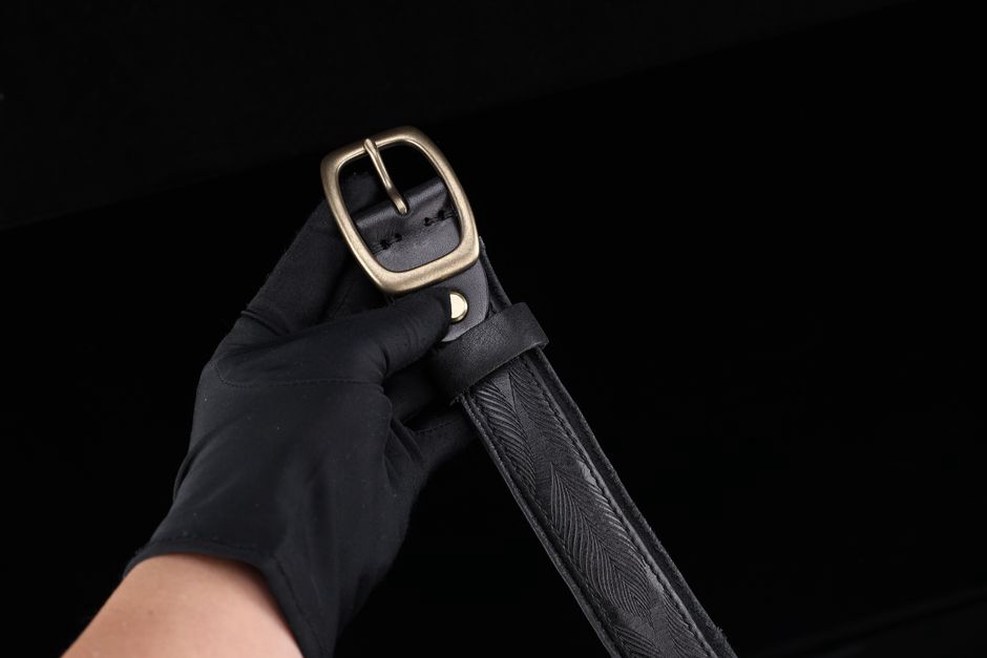
Authentic Woodstock-era hair accessories share distinct material signatures. Leather headbands from 1969 were typically vegetable-tanned, with visible grain and a stiff feel that softened with wear. Stitching was often uneven, done by hand with waxed thread. Metal clasps or adjusters were brass or uncoated steel, never plastic. If you find a headband with a shiny nickel-plated buckle or synthetic stitching, it is almost certainly a later reproduction.
Bandanas from the period were made of 100% cotton or silk. The printing method was usually screen-printing, which left a slight texture on the fabric surface. The edges were rolled and hand-stitched, not machine-overlocked. A good test: hold the bandana up to the light. Authentic vintage cotton will show tiny irregularities in the weave; modern mass-produced versions are perfectly uniform.
How to Identify a Genuine 1969 Hair Accessory
- Check the clasp: Look for brass, steel, or wood. No plastic or aluminium.
- Smell the leather: Vegetable-tanned leather has a distinct, earthy aroma. Chrome-tanned leather (common after the 1970s) smells chemical.
- Examine the stitching: Irregular, slightly loose stitches indicate handwork. Perfectly straight, tiny machine stitches suggest a later factory piece.
- Look for fading: Natural dyes from the 1960s fade unevenly, especially in reds and blues. Uniform colour retention is suspicious.
The British Connection: How Woodstock Crossed the Atlantic
Woodstock may have happened in upstate New York, but its influence on British fashion was immediate and lasting. By early 1970, London boutiques on the King's Road were stocking suede headbands and printed bandanas imported from the United States or copied by local artisans. British women adapted the look to their own climate: a velvet ribbon instead of leather, a silk scarf tied around a chignon instead of a loose ponytail.
The British interpretation was more restrained. Where the American original was rugged and utilitarian, the British version added a touch of refinement. A leather headband might be lined with velvet on the inside for comfort. A bandana might be folded into a narrow strip and worn as a choker rather than a head wrap. This hybrid style — American freedom filtered through British tailoring — is what collectors now call "Anglo-Bohemian."
For a deeper look at how British designers reimagined these accessories, our guide to Products o u x Maison Archives Scrunchie: A Collector’s Guide to British Vintage Hair Accessories traces the evolution of the scrunchie from its 1980s peak back through earlier fabric-based hair holders. The scrunchie, like the bandana, owes its soft structure to the same practical impulse that drove Woodstock accessories.
Styling Woodstock-Inspired Accessories Today
A single genuine 1969 bandana can be the anchor of a modern outfit. Wear it tied around a low ponytail for a casual weekend look, or fold it into a thin headband and let the ends trail down over one shoulder. Pair it with a plain white blouse and high-waisted trousers — the contrast between the faded print and crisp modern fabric creates a deliberate tension that signals vintage knowledge.
Leather headbands work best with hair that has some texture — loose waves or a soft curl. The headband should sit about an inch behind the hairline, not pressed flat against the forehead. If the leather feels stiff, condition it sparingly with a beeswax-based leather balm. Never use oils or silicone sprays, which can darken the leather permanently.
For those who prefer a softer silhouette, the velvet ribbon or silk scarf is an elegant alternative. The Nina Headband 1: A Quiet Revival of 1920s Elegance shows how a simple velvet band can bridge the gap between flapper sophistication and Woodstock freedom — both eras valued hair accessories that stayed put through a long day of dancing.
Care and Preservation of Vintage Festival Accessories
Leather from 1969 is often dry and brittle. Store headbands flat, away from direct sunlight, in a breathable cotton bag. Never fold them — the crease will become a permanent crack. If the leather has started to flake at the edges, consult a professional conservator who specialises in vintage textiles. Home repairs with glue or tape will destroy the value.
Bandanas should be washed only when absolutely necessary. Fill a basin with cool water and a drop of mild soap (pH-neutral, no enzymes). Submerge the fabric, gently agitate with your fingertips, and rinse with cool water until the soap is gone. Roll the bandana in a clean towel to remove excess moisture, then lay it flat to dry. Do not wring or twist. Iron on a low setting with a pressing cloth between the iron and the fabric to protect the print.
Artificial flowers from the period are the most fragile. Store them in a closed box with acid-free tissue paper. Do not expose them to humidity — the fabric petals can develop mould spots that are impossible to remove. If a petal detaches, keep it in a small envelope inside the box; a conservator can reattach it later with archival adhesive.
What to Avoid When Collecting
The market for "Woodstock-inspired" accessories is flooded with reproductions that look convincing at first glance. Common pitfalls include:
- Faux-distressed leather: Modern manufacturers artificially age leather by sanding or applying chemicals. Real vintage leather shows wear only in high-friction areas — the centre of the band where it touched the forehead, the edges near the clasp. If the entire piece looks evenly worn, it is probably new.
- Printed bandanas with modern taglines: A bandana that says "Woodstock 1969" in bold letters is almost certainly a souvenir reproduction. Original bandanas from the festival were plain or had generic paisley patterns. They were not branded.
- Perfectly preserved floral crowns: A 55-year-old artificial flower crown in mint condition is suspicious. Real examples show crushed petals, faded colours, and broken stems. Perfection is a red flag.
A Final Word on Authenticity
The most reliable way to verify a Woodstock-era hair accessory is to handle it. Vintage leather has a specific weight — lighter than modern leather because the tanning process was different. Vintage cotton bandanas feel softer and thinner than their modern counterparts, which are often stiffened with sizing. Vintage silk has a subtle irregularity in the weave that machine-made silk cannot replicate.
If you are buying online, ask the seller for a photograph of the accessory next to a ruler and a close-up of any stitching or clasps. Reputable sellers of vintage accessories understand these requests and will gladly provide them. If the seller hesitates, move on.
Building a collection of Woodstock-era hair accessories is not about acquiring perfect objects. It is about holding a piece of fabric that once caught the same rain that fell on Jimi Hendrix, or a leather band that held back the same hair that swayed to Joan Baez. Those imperfections — the faded dye, the loose stitch, the slight crack in the leather — are not flaws. They are the evidence that the accessory was there.