
The Wool Blazer: A Vintage Hair Accessory Companion for British Style
When I first began collecting vintage hair accessories, I assumed the perfect backdrop for a tortoiseshell comb or a silk velvet bow was something equally delicate—a blouse with a Peter Pan collar, a cashmere twinset. It took a rainy afternoon at a Sussex flea market, watching a woman in a heavy Harris Tweed blazer anchor a waterfall of auburn curls with a single Edwardian side comb, to change my mind. The wool blazer, far from being a rival to ornate hair pieces, is one of the most sympathetic partners a vintage accessory can have. Its texture, weight, and restrained tailoring create a canvas that lets a well-chosen clip or band truly speak.
Why Wool Blazers and Vintage Hair Accessories Belong Together
The relationship between a structured jacket and a decorative hair piece is about contrast and harmony. A wool blazer—whether a 1960s tweed, a 1980s Prince of Wales check, or a modern repro in herringbone—offers a matte, grounded surface. Against it, the lustre of a celluloid hair comb, the gleam of a brass filigree barrette, or the plush of a velvet bow become deliberate focal points rather than competing details. The blazer’s shoulders and lapels frame the face, drawing the eye upward, exactly where a well-placed accessory should be.
British fashion history is full of this pairing. In the 1940s, women wore tailored utility suits with their best clip-on curls and Bakelite slides, because accessories were one of the few ways to personalise rationed clothing. The 1970s saw women pairing chunky hand-knitted blazers with oversized tortoiseshell combs, a look that feels remarkably current. The blazer lends a foundation of seriousness; the hair accessory adds the wit or the flourish.
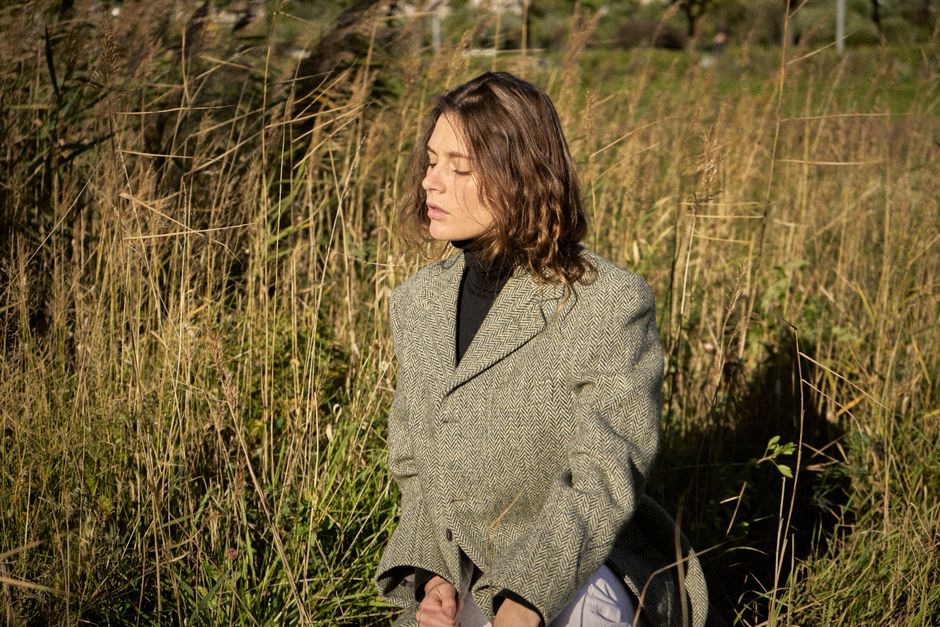
Choosing the Right Wool Blazer for Your Vintage Hair Accessories
Not every blazer works equally well with every accessory. The goal is to let the hair piece read clearly without the jacket drowning it out or clashing in tone. Here are the factors I consider when building a combination.
Collar and Neckline
A blazer with a wide, open lapel—like a classic notch collar or a shawl collar—leaves the neck and jawline visible. This is ideal for statement hair accessories that sit at the crown or nape. A high-necked, mandarin-collar blazer pushes the eye upward, which can work with a dramatic topknot ornament but may crowd a delicate side clip. For most vintage pieces, a medium notch lapel is the safest, most versatile choice.
Texture and Weight
Smooth, fine wools (worsted, gabardine) provide a neutral backdrop that doesn’t compete with the accessory. Rough, hairy tweeds or bouclés create a lot of visual texture; against them, a sleek, shiny accessory (a mid-century lucite comb, a patent leather bow) stands out sharply, while a matte, carved horn piece can blend into the fabric and get lost. I tend to pair rough tweeds with glossy or metallic accessories, and smooth wools with matte or textured hair pieces.
Colour
The blazer’s colour sets the stage. Neutral shades—charcoal, navy, camel, oatmeal—allow almost any hair accessory colour to shine. A burgundy or forest green blazer works beautifully with gold-toned or tortoiseshell pieces. Black blazers are excellent for bright, jewel-toned accessories (emerald, sapphire, ruby) but can flatten pastels. If your hair accessory is a prized find in a soft pink or mint, try it against a mid-grey or cream blazer rather than black.
Styling Combinations That Work
Over the years, I have tested many pairings at vintage fairs, on shoots, and in my own wardrobe. These are the combinations that consistently draw compliments and feel historically grounded.
- 1940s utility blazer + Bakelite side comb: The sharp, broad-shouldered silhouette of a wartime jacket matches the sculptural, glossy presence of Bakelite. Keep the comb at the temple or above the ear.
- 1980s oversized tweed blazer + velvet bow scrunchie: The volume of the blazer calls for a hair accessory with presence. A large velvet bow (black or deep wine) tied around a low ponytail or bun creates a balanced silhouette.
- 1960s slim-fit Prince of Wales check blazer + tortoiseshell claw clip: The neat, tailored line of the jacket pairs with a mid-century tortoiseshell clip worn high at the back of the head, leaving the nape exposed.
- Modern unstructured wool blazer + Edwardian filigree hair comb: A soft, unlined blazer in oatmeal or heather grey provides a quiet background for a delicate silver or brass comb. This is an excellent way to wear a fragile antique piece without feeling costumed.

Practical Tips for Wearing Hair Accessories with Wool Blazers
Wool blazers have a habit of shedding fibres and attracting static, especially in dry indoor air or when worn over synthetic linings. A few small adjustments can keep your hair accessories looking their best.
Static Management
Before putting on your blazer, run a dryer sheet lightly over the lining (or spritz it with a fine mist of water and a drop of hair conditioner). This reduces the static that can pull hair strands loose from a clip or cause a velvet bow to cling awkwardly. If your hair is prone to flyaways, apply a tiny amount of hair wax or pomade to the ends before placing the accessory.
Care for the Accessory
Wool fibres can abrade delicate surfaces over time. A vintage celluloid comb, for example, can develop a foggy film if constantly rubbed against coarse tweed. When wearing a blazer with a high collar, position the accessory so it rests on hair, not fabric. For pieces that sit at the nape, consider a small silk or cotton scarf between the collar and the comb as a buffer.
Cleaning Considerations
If you regularly wear hair accessories with wool blazers, be mindful of product transfer. Hairspray, dry shampoo, or styling cream can leave residue on the jacket collar. I keep a soft, lint-free cloth in my handbag and gently wipe the accessory before removing the blazer. Once a season, I use a gentle wool shampoo and a soft toothbrush to clean the hair piece itself, especially if it has crevices where product can build up.
Where to Find the Blazers and How to Judge Condition
British charity shops, vintage fairs, and online marketplaces are rich hunting grounds for wool blazers. When shopping with hair accessories in mind, I look for a few specific qualities.
First, check the collar. A blazer with a stained or frayed collar can still be a good buy if the rest of the jacket is sound, but be prepared to wear a scarf or keep the accessory away from that area. Second, examine the shoulders—padded shoulders from the 1940s and 1980s are excellent for balancing a voluminous hair piece. Third, feel the lining. A silk or rayon lining is kinder to hair and accessories than a synthetic one. If the lining is torn, it can often be replaced by a tailor for a reasonable cost.
I have found some of my best blazers for less than £10 and then spent more on a single vintage hair clip to wear with them. That ratio feels right—the blazer is the stage, the accessory is the star.
A Note on Modern Reproductions
Not every great wool blazer is vintage. Many contemporary British brands produce blazers in traditional wools (Harris Tweed, Donegal, Yorkshire flannel) that pair beautifully with vintage accessories. The advantage of a new blazer is that you can choose a cut that flatters your current shape while still honouring the aesthetic of a past decade. A 2020s relaxed-fit blazer in a classic herringbone, worn with a 1950s celluloid flower clip, is a look that feels both timeless and current.
If you are new to this combination, start with one blazer in a neutral tone and one hair accessory that you already love. Wear them together for a day, notice how the weight of the jacket changes the way you hold your head, and how the accessory feels against the collar. That physical experience is the best teacher. For a deeper exploration of specific hair accessory styles that work well with structured outerwear, I recommend reading The Nina Headband: A Collector's Guide to British Vintage Hair Accessories, which covers one of my favourite adaptable pieces.
The wool blazer is not an afterthought in a vintage hair accessory wardrobe. It is the anchor, the frame, the quiet partner that lets a beautiful comb or a velvet bow tell its story without shouting. Choose it with care, wear it with intention, and your accessories will never look better.