
Why a Navy Wool Blazer Is the Perfect Backdrop for Vintage Hair Accessories
Most collectors of vintage hair accessories build their wardrobes from the neck up, but a truly cohesive look depends on what frames the face. A well-cut wool blazer—neither too boxy nor too fitted—offers a quiet foundation that lets a statement hair clip or a velvet bow shine. The navy blazer, in particular, has been a constant in British style since the early twentieth century, evolving from nautical uniforms to country-house staples and finally to the effortlessly polished jacket we reach for today.
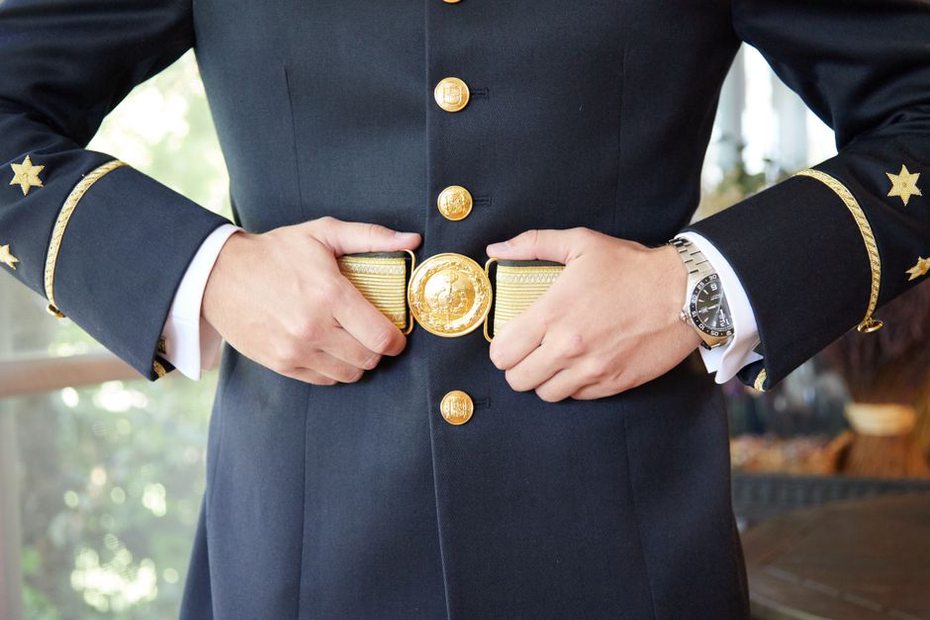
The Silent Partner: Why a Blazer Works with Vintage Hair Accessories
A bold hair accessory—say, a tortoiseshell crescent moon clip or a wide velvet scrunchie—draws the eye upward. The rest of the outfit should support without competition. A solid-coloured wool blazer in navy, charcoal, or camel provides a clean visual line from shoulder to shoulder, creating a neutral frame for the face and hair. Unlike a patterned jacket, which can clash with elaborate hairpieces, a simple blazer acts as a backdrop. It’s the same principle that makes a plain velvet headband pair so well with a tweed coat: contrast in texture, harmony in tone.
Choosing the Right Blazer for Your Hair Accessory Collection
Not all wool blazers are created equal. When shopping vintage or modern, consider these three details that affect how the jacket interacts with your accessories:
- Notch lapels vs. peak lapels. Notch lapels are more casual and sit well with soft accessories like fabric scrunchies. Peak lapels have a sharper, more formal angle that complements structured barrettes or metal combs.
- Button stance. A two-button blazer with a low stance leaves the neckline open, perfect for showcasing a chunky hair claw or a floral hairpin. A three-button style with a higher stance creates a more closed neckline, which pairs best with petite accessories such as small enamel grips.
- Shoulder structure. Soft, unpadded shoulders suit the relaxed look of a Maison Archives Scrunchie 2—a vintage British hair accessory that thrives on effortless charm. A crisp, padded shoulder works with a sculptural gilded comb or a satin bow for evening.
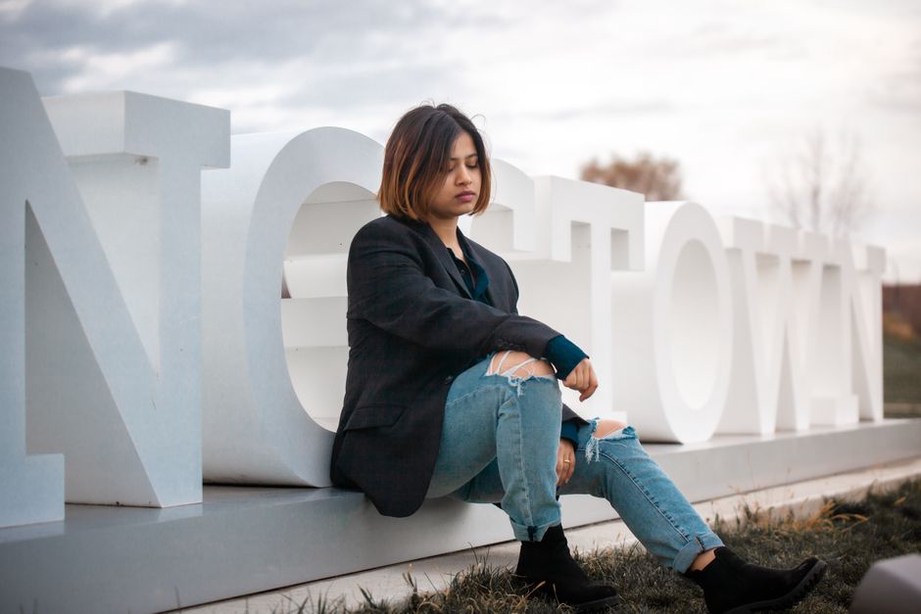
A Brief History of the British Wool Blazer
The word ‘blazer’ first appeared in the 1880s, referring to the bright red jackets worn by the Lady Margaret Boat Club at Cambridge. By the 1920s, the blazer had crossed over into civilian life, often made from flannel or serge in navy. For women, the adoption came later. In the 1930s, Coco Chanel and British tailors began adapting men’s blazers for women—less structured, softer in the shoulders, sometimes with patch pockets. These early women’s blazers were often worn with pleated skirts and a silk scarf tied at the neck, leaving the hair free for decorative combs or headbands.
During the 1950s, the blazer became a staple of the British ‘town and country’ wardrobe. Photographs from the era show women wearing fitted navy blazers with pearl earrings and a simple side-part, occasionally secured with a tortoiseshell buckle or a velvet bow barrette. The 1960s saw the blazer loosen up: double-breasted versions in bright colours, often paired with a Monterey 67—the hair accessories that defined a Summer of Love—to create a playful contrast between tailored shoulders and flower-child hair.
Wool Quality and Longevity
Vintage blazers from the mid-century were typically made from worsted wool, a tightly twisted yarn that resists pilling and holds its shape. Modern fast-fashion blazers often use lower-grade wool blends with synthetic linings that trap heat and lose their drape. When you find a vintage blazer, check the label: ‘100% wool’ or ‘wool and mohair’ are excellent. A Bemberg rayon lining (often labelled ‘cupro’) is a sign of quality—it breathes and glides over clothing without static. Avoid acetate linings, which can turn brittle over time.
Caring for a wool blazer is straightforward but requires patience. Dry-clean only, and only when necessary; between wears, hang it on a padded hanger to allow the fibres to relax. Use a clothes brush (not a lint roller) to remove dust and hair—this is especially important if you wear hair accessories with glitter or sequins, as tiny fragments can scratch the wool. A steam iron on low heat, held a few inches away, will refresh the fabric without pressing in creases.
Styling the Navy Blazer with Vintage Hair Accessories: Three Practical Examples
| Occasion | Blazer Style | Recommended Hair Accessory | Why It Works |
|---|---|---|---|
| Daytime errands or coffee | Single-breasted, patch pockets, soft shoulders | Large velvet scrunchie in burgundy or forest green | The blazer’s relaxed silhouette matches the casual softness of the scrunchie. The dark colour allows the velvet to pop. |
| Office or smart lunch | Two-button, notched lapels, slightly fitted | Tortoiseshell crescent moon hair clip | The structured clip echoes the lapel lines. The warm tortoiseshell tone adds depth without competing with navy. |
| Evening event | Double-breasted, peak lapels, gold buttons | Antique silver or gold hair comb with seed pearls | The formality of the blazer is balanced by an ornate comb. The metallic elements tie the look together. |
In each case, the blazer serves as a canvas. The hair accessory becomes the focal point, but the blazer ensures the overall impression is intentional, not chaotic. This is especially true when the hair accessory itself is a vintage piece with its own history—like a 1940s celluloid comb or a 1980s glitter clip. A wool blazer provides the visual respect that a treasured find deserves.
Sourcing a Vintage Wool Blazer
The best places to look are charity shops in commuter towns (the sort where retired professionals donate high-quality wardrobes), online auctions with good zoom photos, and vintage fairs that allow you to feel the fabric. When trying on a blazer, pay attention to the sleeves: they should end at your wrist bone, and the shoulder seam should align with your natural shoulder. If the blazer needs alterations, shortening the sleeves is simple; taking in the waist or changing the shoulder width is costly and often ruins the original cut.
A final note on colour: navy is the most versatile because it reads as neutral against both cool-toned and warm-toned hair accessories. But a mid-grey wool blazer works wonderfully with pastel scrunchies or white headbands, while a camel blazer brings out the gold tones in brass hairpins and tortoiseshell. Avoid black unless the blazer is very high quality—flat black wool can look severe next to delicate vintage accents. If you already own a black velvet Crown headband, a deep charcoal blazer is a softer alternative that still feels formal.
Next time you’re flipping through racks at a vintage fair, keep an eye out for a navy wool blazer with gold buttons. Try pinning a 1950s celluloid comb into your hair and see how the two pieces—one quiet, one bold—work together. It’s the sort of pairing that turns a good outfit into a memorable one, without a single loud print or forced trend.