
The Black Satin Squared Headband: A Vintage British Style Icon
Few hair accessories embody the crisp, graphic elegance of mid‑century British fashion quite like the black satin squared headband. Its clean lines and subtle sheen recall the mod silhouettes of the 1960s, when Sassoon bobs, Twiggy lashes, and precise geometric shapes defined a new era of femininity. Unlike a soft, draped turban or a floppy ribbon, the squared headband is deliberately architectural: its rectangular or square front piece sits flat against the crown, creating a polished frame for the face. Whether you own an original vintage piece from a London haberdashery or are drawn to a modern reproduction, understanding its construction, history, and care will help you wear it with confidence for years to come.
The Geometry of Style: What Makes a Headband “Squared”?
In millinery terminology, a “squared” headband refers to the shape of its front panel — the part that rests above the forehead. Unlike a curved or tapered band, the squared headband has straight, right‑angled edges, often stiffened with an inner wire or a layer of non‑woven interfacing to maintain its form. Black satin is the most classic choice because it catches light with a subtle, mirror‑like finish that enhances the geometric precision. During the 1960s, British designers such as Mary Quant used such accessories to complement the clean, streamlined cuts of shift dresses and A‑line coats. The effect is both demure and assertive: the headband holds hair firmly yet seems to float above the brow.
The squared headband also appears in earlier decades. In the 1920s, flapper headbands were often embellished with feathers or jewels, but the basic shape could be a simple satin band with a squared medallion sewn at the centre. By the 1950s, the “square knot” headband — where two ends of a long scarf are tied into a flat square knot above the forehead — became a popular DIY style, often made from a square of black satin folded into a strip. That folk‑craft tradition is the direct ancestor of today’s refined squared headband, which uses a single continuous piece of satin with finished seams.
Materials and Craftsmanship: Why Satin Endures
Authentic vintage black satin squared headbands were often produced in small British workshops that specialised in hair accessories. The satin itself is typically a silk or rayon blend — not pure silk, which is too delicate for everyday wear, but a tightly woven satin weave that drapes smoothly and resists fraying. Look for a soft lining on the inside of the headband, usually cotton velvet or grosgrain ribbon, to prevent slippage and absorb perspiration. The squared front piece is often padded with a thin layer of cotton wadding, giving it a slight volume that makes the headband sit away from the scalp rather than clamping down.
When evaluating a vintage piece, examine the seams. Expertly made headbands use French seams or bias‑bound edges, so the wrong side is as tidy as the right. Black satin is notoriously unforgiving — any puckering or uneven stitching shows. A well‑preserved headband should also retain its original wire shaping (often a thin steel or plastic strip encased in the fabric). Over time, that wire can break or distort; a gentle bend test will tell you if the squared shape is still intact. If the wire has snapped, a vintage‑minded seamstress can often replace it, but the task requires skill to avoid damaging the satin.
Pairing the Squared Headband with Modern British Wardrobes
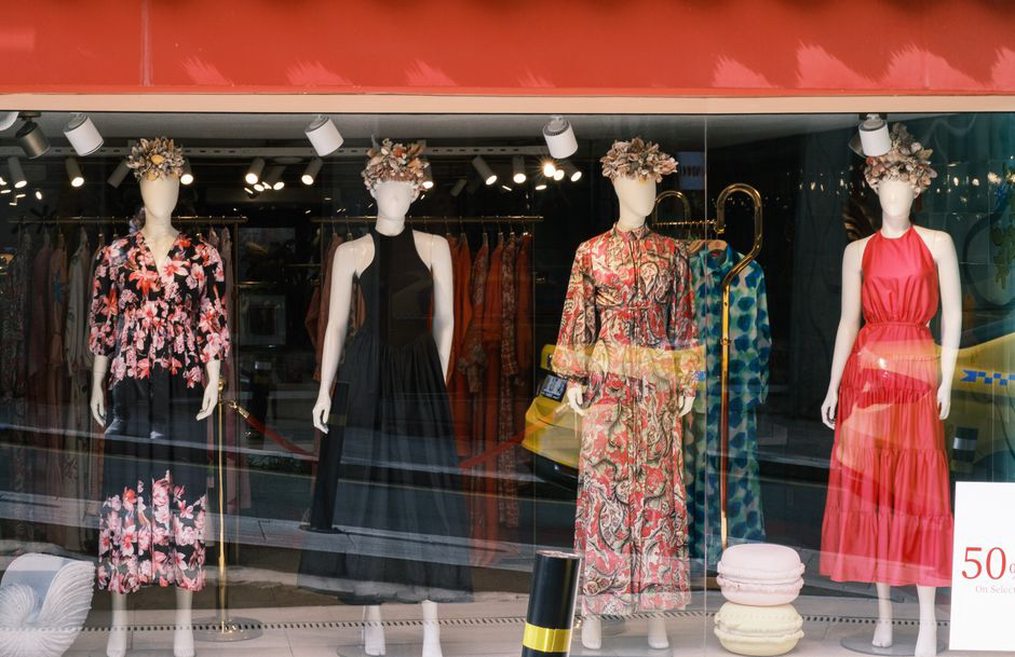
The beauty of a black satin squared headband lies in its adaptability. It can transition from a 1960s mod revival outfit to today’s everyday uniform with minimal effort. For a smart casual look, wear it with a crisp white shirt, high‑waisted denim and a simple leather bag — the headband provides the same polished focal point as a pearl necklace, but far less fuss. It also works harmoniously with a floral midi dress; the geometry of the headband offsets the softness of florals, creating a balanced silhouette. (For further guidance on styling floral dresses with vintage accessories, you might enjoy The Floral Midi Dress and Vintage Hair Accessories: A Practical Guide on this blog — it explores similar compositional ideas.)
If you attend a wedding or garden party, the black satin squared headband pairs beautifully with a sculpted updo — a low chignon or a sleek French roll. The squared front should sit just behind the hairline, not pressed flat against the forehead. To keep the headband secure, use a couple of invisible hairpins (matching your hair colour) slipped under the satin against the scalp. Modern styling products with a light hold, such as a flexible hairspray, help keep stray strands in place without making the satin sticky.
Three Practical Styling Tips
- Day to night transition: Keep the headband in your bag and add it to loose waves after work — the high shine of black satin instantly elevates a simple blouse or a Little Black Dress.
- Hair type matters: For fine hair, tease the crown slightly before placing the headband; for thick or curly hair, choose a wider squared panel (at least 8 cm across) to anchor the band without sliding.
- Seasonal adjustment: In cooler months, a black satin headband pairs well with a cashmere roll‑neck and a structured coat. In summer, use it to hold back hair while wearing a sleeveless linen dress — the contrast of matte skin and glossy satin is naturally elegant.
Bereavement, But Not: Understanding the Language of Satin
A black satin headband sometimes carries a false association with mourning attire. While black accessories were indeed part of Victorian and Edwardian widow’s dress, the squared satin headband of the 1960s was never intended as a sign of grief. Instead, it drew from the same cool, detached glamour that defined Twiggy’s eyelashes and Jean Shrimpton’s minimalism. If you are buying vintage, you may encounter pieces from the 1940s or 1950s that used black satin for evening wear rather than mourning — in those decades, black was a fashionable alternative to colour, especially for cocktail parties and the theatre. The squared headband is a joyous, graphic object, not a sombre one.
Bere Keep Your Satin Headband in Beautiful Condition
Caring for black satin requires patience. The fabric is prone to fraying at the edges and showing marks from perspiration or hair products. Here is a simple routine to extend the life of your headband:
- Store flat or hung: Never fold a satin headband in a drawer — the creases can become permanent. Instead, lay it flat on a padded hanger, or roll it loosely (not tight) and place it in a fabric‑lined box.
- Spot clean only: Mix a drop of mild soap (Castile or unscented baby shampoo) with cool water. Dip a soft, white cloth into the suds, wring it thoroughly, and dab the stained area. Do not rub. Blot with a dry cloth immediately and let the headband air‑dry away from direct heat.
- Avoid dry cleaning: The solvents used can strip the natural lustre of silk or rayon satin. For deep cleaning, consult a specialist in vintage textiles. Many small dry‑cleaning shops in Britain still know how to handle satin hair accessories — ask about their experience first.
- Re‑stiffening the squared front: If the fabric has lost its shape over time, place a piece of acid‑free cardboard or plastic needlepoint canvas inside the lining (slip it through an existing opening). This is a reversible intervention that restores the headband’s structure without altering the original stitching.
One final note: if you find a vintage black satin squared headband with faint water spots or a slight discolouration near the wire, do not discard it. Those marks are part of the object’s history, and many collectors actually prize a gently worn patina. The headband has likely lived through several owners, each one adjusting it before a dance, a job interview, or a lazy Sunday. By caring for it mindfully, you become part of that unbroken thread — a steward of a small but significant piece of British style.