
The Sadie Bow Headband: A Vintage Hair Accessory with Timeless Charm
On a crisp London afternoon in 1954, a young woman named Sadie Morrison pinned a velvet bow headband into her rolled hair before stepping out onto Oxford Street. That headband—handmade from a scrap of deep burgundy silk and a simple metal comb—would later become the prototype for one of the most sought-after vintage hair accessories of the mid-century. Today, collectors and enthusiasts refer to any bow headband of similar construction and era as a "Sadie bow headband," a term that honours both the maker and the enduring appeal of this graceful silhouette.
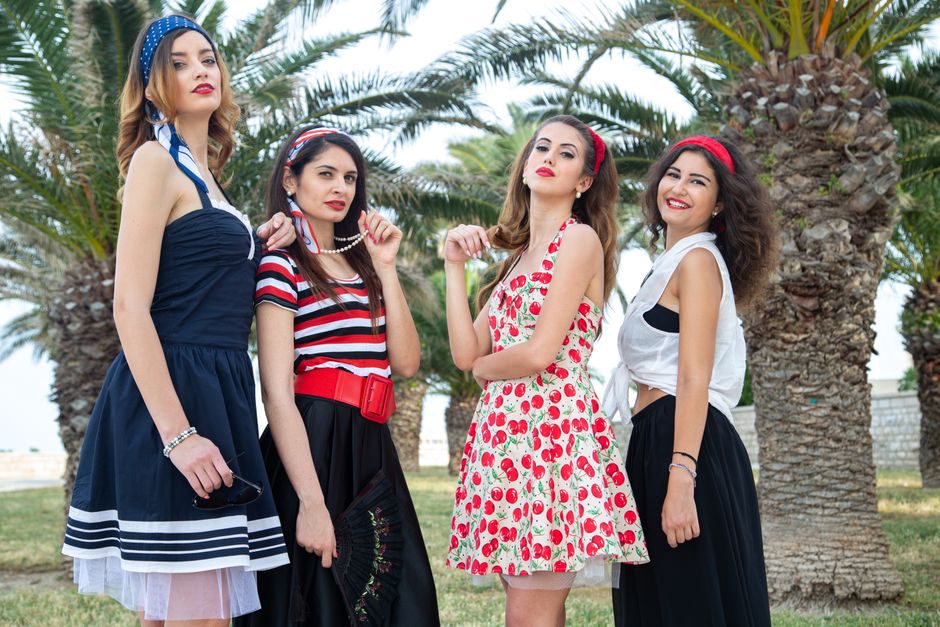
The Origins of the Sadie Bow Headband
The Sadie bow headband emerged from the post-war British millinery tradition, where small, independent makers repurposed luxury fabric remnants into affordable yet elegant hair accessories. Unlike the structured, manufactured headbands of the 1940s, these handcrafted pieces were deliberately soft and malleable, designed to sit atop a set of pin curls or a smooth chignon. The name "Sadie" is believed to come from Sadie Morrison, a Birmingham-based dressmaker who began producing these headbands in her small workshop after noticing a gap in the market for hair accessories that felt both personal and polished. Her original design featured a generous bow—often measuring five to six inches across—attached to a narrow metal or tortoiseshell comb. The bow itself was unpadded and unstructured, allowing it to drape naturally against the hair. That simplicity became its signature.
Materials and Craftsmanship
Authentic Sadie bow headbands from the 1950s and early 1960s were made from high-quality materials that have aged beautifully. The most common fabrics include silk velvet, rayon faille, and cotton sateen, often in jewel tones like emerald, ruby, sapphire, and deep plum. The bows were hand-sewn with invisible stitches, and the tails were cut on the bias to prevent fraying. The comb base—usually a spring-loaded metal clip or a curved tortoiseshell comb—was chosen for its ability to grip hair without damaging it. Some later versions used a thin wire frame inside the bow to hold its shape, but purists prefer the fully soft construction that allows the bow to move with the wearer. When examining a vintage piece, look for even stitching, a secure attachment between bow and comb, and fabric that still retains its original colour without significant fading. The absence of any manufacturer’s label is common; most were made by small dressmakers or home seamstresses, which adds to their charm and collectibility.
The Bow Silhouette Through the Decades
While the Sadie bow headband is most strongly associated with the 1950s, its silhouette evolved across the twentieth century. In the 1920s, smaller, narrower bows were worn low on the nape of the neck, often as part of a flapper’s headband. By the 1940s, utility fabrics and rationing led to simpler, smaller bows. It was the 1950s that saw the bow expand into the generous, romantic shape we recognise today, partly influenced by Christian Dior’s New Look and the return of luxurious materials. The 1960s brought a shift toward geometric and minimalist accessories, but the Sadie bow persisted in modified forms—smaller, often made of patent leather or grosgrain ribbon. For collectors, the 1950s version remains the most coveted due to its combination of volume, fabric quality, and handcrafted detail. If you are lucky enough to find one in good condition, it is a piece of wearable history that connects you directly to the elegance of post-war Britain.

How to Wear a Sadie Bow Headband Today
Integrating a vintage Sadie bow headband into a modern wardrobe is surprisingly effortless. The key is to let the accessory lead the outfit. For a daytime look, pair a burgundy or navy velvet bow headband with a cream linen blazer, straight-leg jeans, and simple leather loafers. The bow adds a touch of refined femininity without feeling costume-like. For evenings, a black silk bow headband works beautifully with a tailored jumpsuit or a slip dress—think of it as the hair equivalent of a statement necklace. One practical tip: because vintage bows are often larger than contemporary versions, position the headband slightly farther back on the head (about an inch behind the hairline) to avoid overwhelming the face. Secure it with a few bobby pins if the original comb feels loose. The Sadie bow also pairs well with low buns, half-up styles, and even loose waves—avoid sleek, slicked-back hair, as the contrast between the soft bow and hard gel can look disjointed. For those who prefer a subtler approach, choose a bow in a neutral tone like taupe or charcoal, which reads as modern and understated.
Caring for Your Vintage Bow Headband
Preserving a Sadie bow headband requires gentle handling and a few basic precautions. First, never submerge the headband in water—the metal comb or wire frame will rust, and the fabric may shrink or lose its shape. Instead, spot-clean with a barely damp cloth and mild soap, dabbing rather than rubbing. If the bow is made of velvet, use a soft toothbrush to lift dust from the nap, working in the direction of the pile. Store the headband flat in a padded box or on a soft fabric head form; hanging it by the bow can stretch the fabric over time. Keep it away from direct sunlight, which will fade the dye, and away from heat sources that can dry out the fabric. For bows with a wire frame, gently reshape the loops by hand after each wear—do not force the wire, as it may snap. If the comb becomes loose, a small dab of jeweller’s glue on the joint (avoiding the fabric) can re-secure it. With this simple care routine, your Sadie bow headband can remain a wearable treasure for decades to come.
For those beginning a collection of vintage hair accessories, the Sadie bow headband offers an accessible entry point. It is less fragile than a 1920s Esme comb and more versatile than a novelty clip. Its history is rooted in real craftsmanship and the quiet ingenuity of women like Sadie Morrison, who turned leftover fabric into something enduringly beautiful. Whether you wear it to a garden party, a gallery opening, or simply to brighten a Tuesday morning, this little bow carries the spirit of a bygone era—and that spirit is worth preserving.