
The Ivory Rose Crown Headband: A Century of Elegance
The rose crown headband in ivory is one of those rare accessories that sits between a bridal heirloom and an everyday statement piece. Its silhouette — a curved band that rises into a small crown-like arc, often adorned with sculpted roses — first appeared in British millinery catalogues of the 1890s, where it was listed as a “coronet bandeau” for afternoon tea parties and garden weddings. Unlike the heavy silver or gold tiaras worn by nobility, these were made from lightweight materials such as celluloid, early plastics, or carved bone, allowing women of modest means to partake in the fashion for regal hair adornment. The ivory colour, far from being a neutral afterthought, was deliberately chosen to mimic the precious elephant ivory that had been used in Victorian mourning jewellery and bridal wreaths. By the 1920s, the rose crown headband had shed its purely ceremonial associations and became a staple of the flapper’s wardrobe, often worn low on the forehead to anchor a silk turban or a feathered cloche.
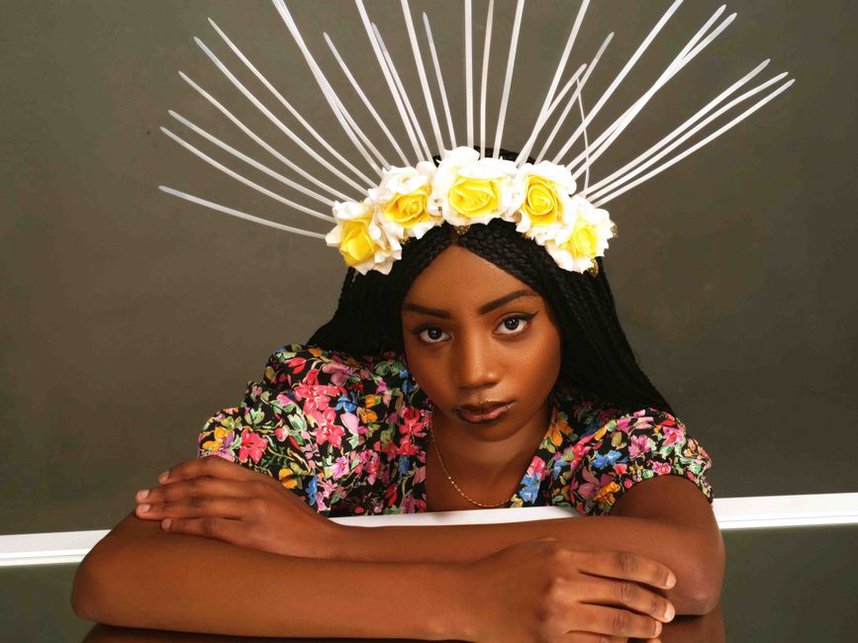
The Anatomy of an Ivory Rose Crown Headband
What makes this accessory so special starts with how it’s built. A typical rose crown headband consists of three elements:
- The base band — usually a curved strip of flexible plastic, resin, or metal wrapped in fabric. In the early 20th century, this band was often made of celluloid, a semi-synthetic material that could be moulded into intricate shapes and then polished to a soft ivory sheen. Later examples from the 1950s use Bakelite or Lucite, which are heavier and more durable.
- The crown arch — the raised central section that creates the “crown” effect. This could be a solid piece carved with floral motifs or an openwork frame of wire and leaves. The height of the arch varied: Edwardian examples tend to be tall and narrow (up to 10 cm), while Art Deco versions are lower and wider, echoing the geometric lines of the era.
- The roses — the defining decorative element. These are not simply flat appliqués; they are three-dimensional, individually shaped blossoms. In vintage pieces, the roses were often made from carved and painted celluloid, fabric-covered wire (such as silk or velvet), or moulded composition. The number of roses ranges from a single central bloom to a cluster of five or seven, arranged symmetrically or asymmetrically.
The ivory colour is achieved either by using natural materials (bone, horn, or real ivory in antique pieces — now illegal to trade) or by tinting synthetic materials with a warm off-white pigment. Collectors prize the subtle variations in shade: some headbands lean towards cream with a yellow undertone, others towards a cool, chalky white. The patina that develops over decades adds a depth that modern reproductions struggle to replicate.
From Victorian Sentiment to Modern Wardrobe
The rose motif was deeply symbolic in Victorian Britain: red roses meant love, white roses purity, and yellow roses friendship. An ivory rose crown headband, with its pale blossoms, was often chosen for engagements, christenings, and coming-of-age ceremonies. By the 1920s, however, the symbolism had softened, and the headband became a playful accessory for the jeune fille who wanted a touch of romance without the weight of a full tiara. The design was revived in the 1980s by British designers who looked to vintage sources for inspiration, and again in the 2010s as part of the “grandmillennial” trend that celebrates heirloom-quality details.
Today, the ivory rose crown headband works beautifully with a modern capsule wardrobe. Pair it with a crisp white Oxford shirt and high-waisted jeans for a look that is both scholarly and whimsical. For evening, wear it with a slip dress in silk or satin — the ivory will pick up the sheen of the fabric. The key is to let the headband be the focal point; keep other accessories minimal. A single pair of pearl studs and a simple leather handbag are all you need.
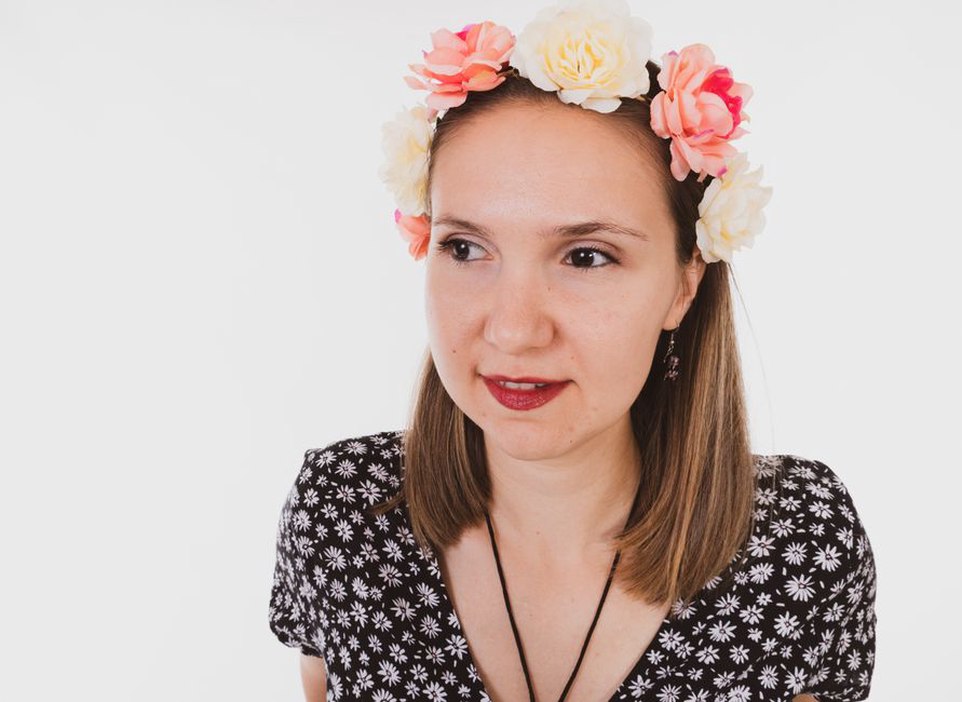
Materials and Techniques: What to Look For
When hunting for an authentic vintage ivory rose crown headband, look closely at the craftsmanship. The roses should have distinct petals, each one shaped by hand or by mould. In celluloid pieces, you may notice a faint camphor smell — that is normal and a sign of age. Avoid pieces where the roses are simply stamped from a single sheet of plastic; they lack the dimensionality that makes this accessory special. The band itself should be flexible but not brittle. Test it gently: if it cracks or feels sticky, the material has degraded and will not hold up to wear.
For those who prefer a reproduction, look for makers who use resin or acetate and hand-finish each rose. The best modern versions are cast from original moulds, preserving the exact proportions of Edwardian designs. Avoid anything labelled “ivory” that is actually pure white — true vintage ivory is never stark white; it has a creamy warmth.
Caring for Your Ivory Rose Crown Headband
Vintage materials require gentle handling. Here are four practical steps to keep your headband in excellent condition:
- Clean sparingly. Use a soft, dry cloth to dust the roses. If necessary, dampen the cloth with distilled water (never soak the headband). For stubborn grime on plastic pieces, a tiny drop of mild soap on a cotton bud can be used on the band only — avoid the roses.
- Store flat or upright. Do not hang the headband by the crown arch, as the weight can cause warping. Instead, lay it flat in a padded box or stand it on a custom headband holder. Keep it away from direct sunlight, which can yellow ivory-toned plastics unevenly.
- Avoid heat and humidity. Celluloid is flammable and can warp in high temperatures. Never leave your headband in a hot car or near a radiator. Bathrooms with steam are also risky.
- Handle by the band. When putting on or removing the headband, grip the sides of the band, not the crown arch. The roses are delicate and can snap off if pressure is applied.
Styling Across the Seasons
The ivory rose crown headband is surprisingly versatile. In spring, wear it with a floral midi dress and a straw bag for a garden-party feel. In autumn, let it peek out from under a velvet beret — the contrast of textures is arresting. For winter holiday parties, it can be worn with a turtleneck sweater and a pleated skirt, evoking the quiet glamour of a 1940s Christmas card. The headband also pairs elegantly with other vintage hair accessories; for example, you might use it to anchor a Gabriel Bow French Hair Barrette at the nape of the neck for a layered look that is both cohesive and original. Much like the sculptural form of the Blue Caroline Turban Headband, the rose crown headband offers a distinctive silhouette that frames the face without overpowering it.
One final note on authenticity: the most sought-after ivory rose crown headbands are those with a maker’s mark or a patent number stamped on the inside of the band. British manufacturers such as B. J. & Co. and Mappin & Webb produced these in the 1920s and 1930s, and their pieces often feature a small engraved hallmark. When you next come across an ivory rose crown headband at a vintage fair, look for the subtle patina on the petals — it tells a story of a century of quiet elegance, waiting to be worn again.