
The Caramel Pearl Bow Hair Clip: A Vintage Accessory with Modern Appeal
The caramel shade of a pearl bow hair clip is not a random colour choice. It echoes the warm amber tones of early twentieth-century tortoiseshell, a material prized in British millinery and hair accessory making long before synthetic alternatives appeared. When you pick up a clip with a bow shape and tiny pearls set into a caramel-toned base, you are holding a design that bridges the Edwardian love of intricate ornament with the mid-century preference for softer, wearable luxury.
What Makes a Pearl Bow Hair Clip Distinctive
A true pearl bow hair clip combines two classic motifs: the bow, which has symbolised femininity and tied hair in British fashion since the Regency era, and the pearl, long associated with elegance and restraint. In the caramel version, the base material—often a cellulose acetate or resin—is intentionally lightened to a buttery brown, sometimes with a subtle marbled effect that mimics natural tortoiseshell. The pearls themselves are usually faux, made from glass or coated resin, but the best examples use a high-lustre finish that catches light softly.
The clip mechanism matters as much as the decoration. Vintage pieces from the 1940s and 1950s typically feature a spring-loaded metal clamp with teeth that grip hair without pulling. Later reproductions may use alligator clips or snap-bar designs. For collectors, the weight and balance of the clip are telling: a well-made pearl bow clip sits securely in fine or medium hair and does not slide.
Caramel as a Historical Colour in British Hair Accessories
Caramel, or what was often called "tortoise" in trade catalogues, dominated British hair accessory production from the 1920s through the 1960s. Unlike stark black or bright colours, caramel blended with the hair tones of the era—chestnut, auburn, honey blonde—and allowed the accessory to appear as an extension of the wearer’s natural beauty. The pearl bow clip in caramel continues that tradition. It works equally well with brunette and grey hair, and it softens the contrast on lighter shades.
During the post-war years, British manufacturers such as R. H. Wilson and later Maison de Paris produced bow clips with applied pearls in this exact colourway. They were sold in department stores like Selfridges and Liberty, often displayed on velvet busts alongside matching earrings. The caramel pearl bow clip became a staple for women who wanted a touch of ceremony without the weight of full jewellery.
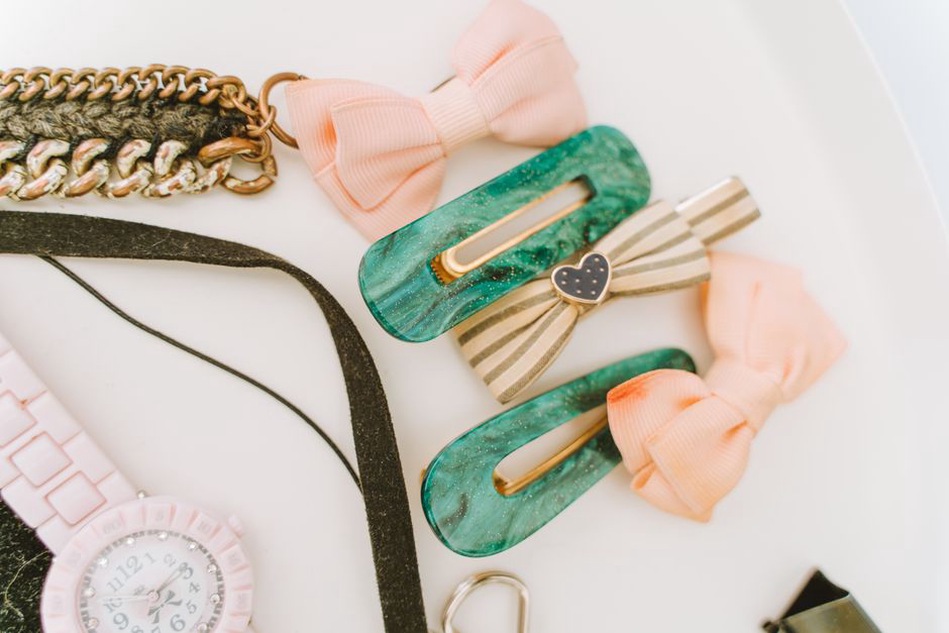
Materials and Craftsmanship: What to Look For
When evaluating a pearl bow hair clip in caramel, consider three elements: the base, the pearls, and the clip fitting.
- Base material. Genuine vintage pieces use cellulose acetate, which develops a warm patina over decades. Newer reproductions often use injection-moulded resin that feels lighter and lacks depth. Hold the clip to a window: acetate allows a faint translucency, while solid resin blocks light.
- Pearl attachment. In high-quality vintage clips, each faux pearl is hand-wired onto the bow with fine brass or silver wire. Look for tiny loops on the underside. Cheaper versions glue the pearls, which eventually yellow or fall off. The caramel colour should not bleed into the pearls—a sign of poor manufacturing.
- Clip mechanism. The spring should open and close with a firm, even pressure. Tarnished metal can be cleaned gently with a dry cloth, but avoid polishing the pearls. If the clip has a maker’s mark or a British import stamp (e.g., "Made in England"), it adds to the piece’s collectability.
Styling the Caramel Pearl Bow Clip Today
This accessory is surprisingly versatile. Because its colour reads as neutral but warm, it pairs well with modern wardrobe staples. Here are three ways to incorporate it:
- Half-up styles. Use the clip to gather the top section of hair at the crown. The bow sits prominently, and the pearls catch movement. This works best with hair that has natural wave or a blow-dry volume.
- Side-swept accent. Clip the bow just above one ear, letting the rest of the hair fall loose. The caramel tone complements a cream or oatmeal knit, and the pearls add a subtle sheen against matte fabrics.
- Low chignon base. For evening, twist hair into a low bun and place the clip at the side or centre front. The bow becomes a focal point without competing with statement earrings.
Avoid wearing the clip with other pearl-heavy jewellery—let it stand alone. The caramel colour also harmonises with tortoiseshell sunglasses or a leather handbag in tan or cognac.
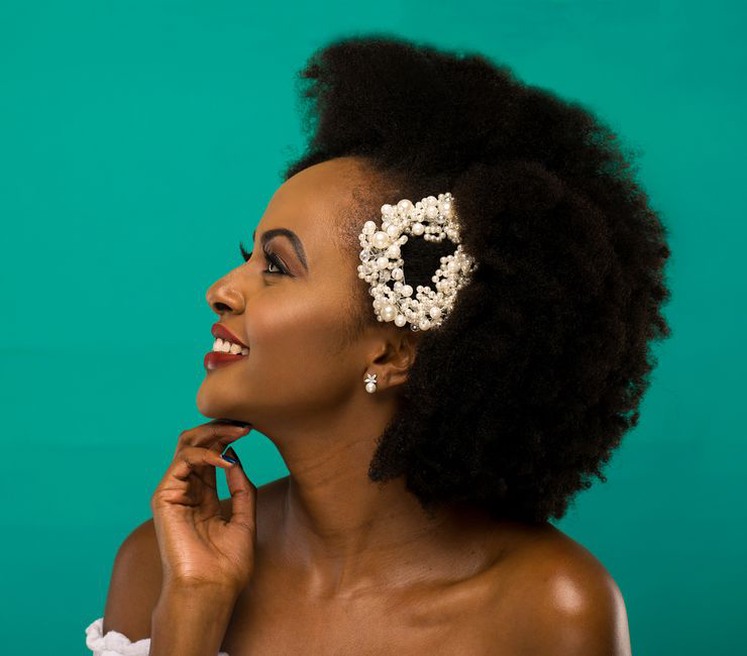
Care and Preservation
Pearl bow clips require gentle handling. The faux pearls are sensitive to oils, perfumes, and hair sprays, which can cloud their surface over time. Wipe the clip after each wear with a soft, dry cloth—microfibre works well. Store it in a fabric-lined box or a separate compartment to prevent scratches. If the clip has an acetate base, keep it away from direct sunlight and heat sources, which can warp the material or darken the caramel unevenly.
Should a pearl become loose, reattach it with a tiny drop of clear jewellery glue applied with a pin. Do not soak the clip in water or use cleaning solutions. For metal springs that become stiff, a minuscule amount of sewing machine oil on the hinge (avoiding the pearls) can restore movement.
Finding the Real Vintage Piece
Authentic caramel pearl bow clips from the mid-twentieth century appear at British vintage fairs, online marketplaces, and estate sales. Look for clips with visible wear consistent with age—light surface scratches on the base, slight tarnish on the metal—but intact pearls and a working spring. Prices vary widely, from £15 for a simple unmarked clip to £80 for a signed piece by a known maker. The caramel shade is less common than black or clear, so it holds its value well among collectors.
If you are new to collecting, start with one clip in good condition and wear it often. The charm of this accessory lies not in rarity alone, but in how it connects a modern gesture—clipping back your hair—to a lineage of British design that valued restraint, quality, and a warm palette.